E-mail
WhatsApp


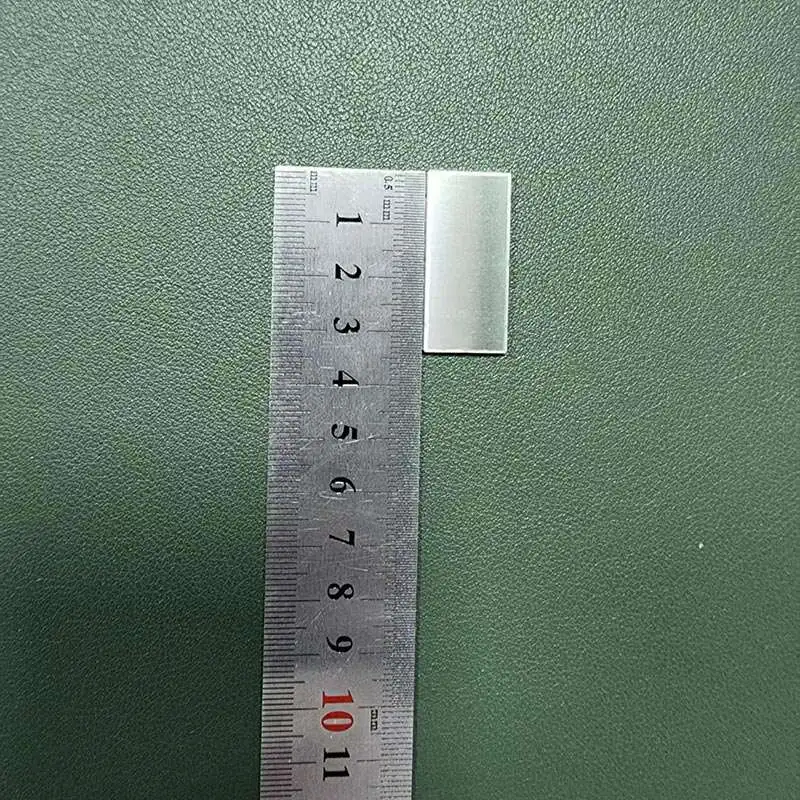
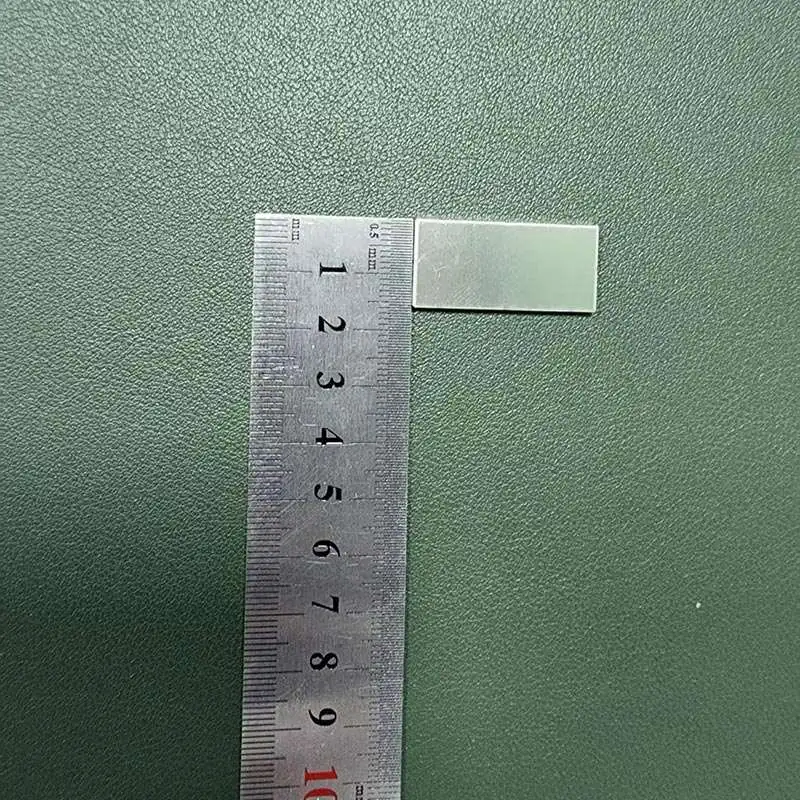
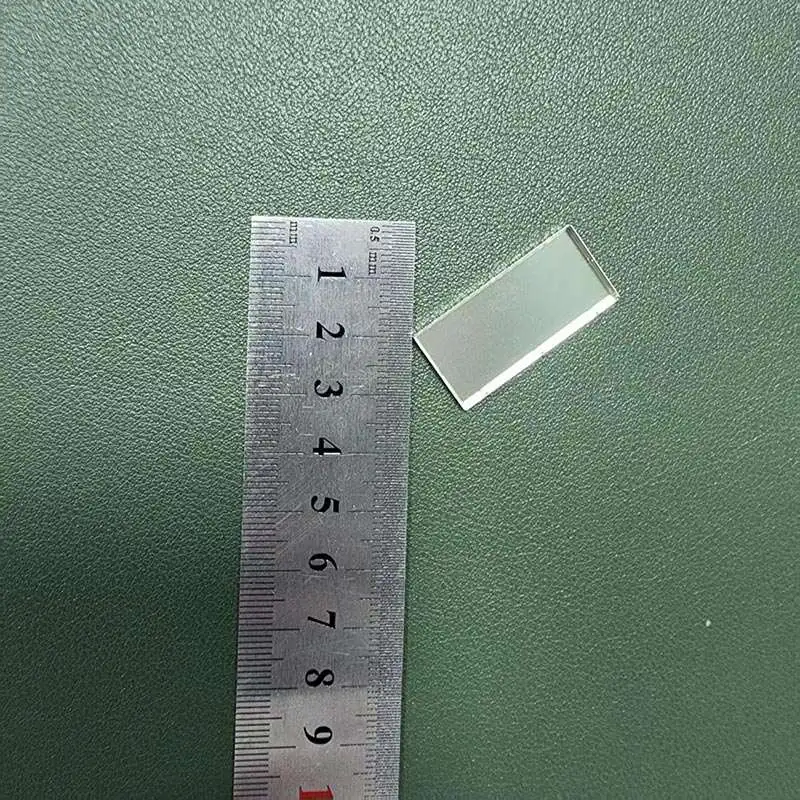
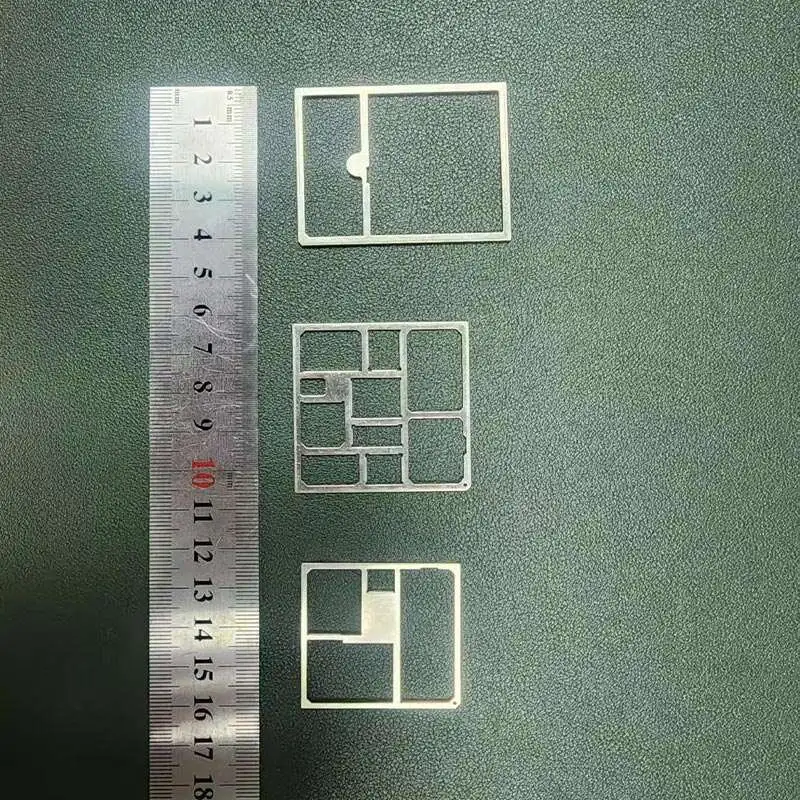
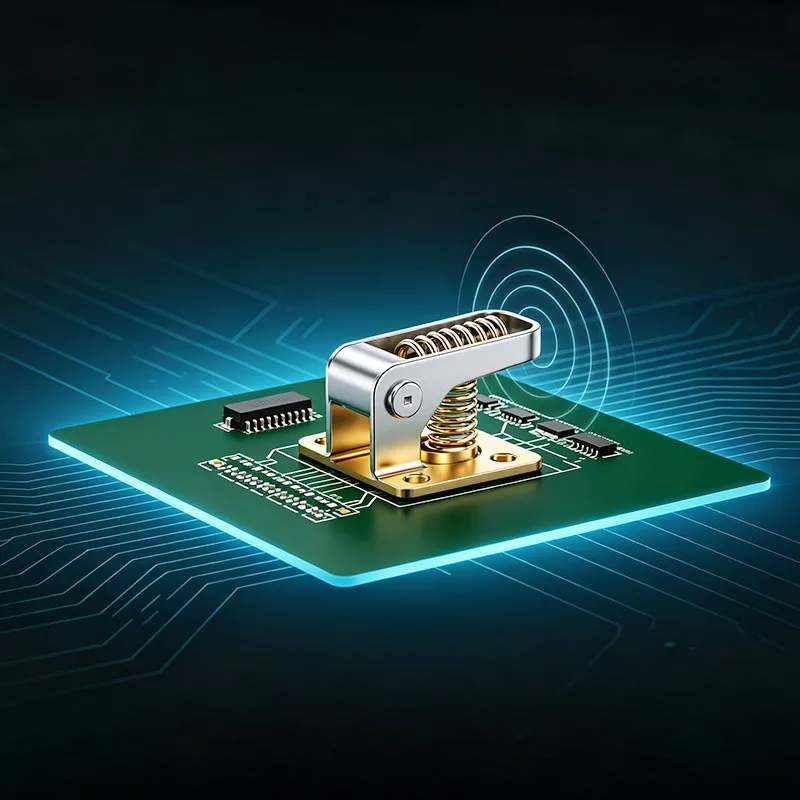
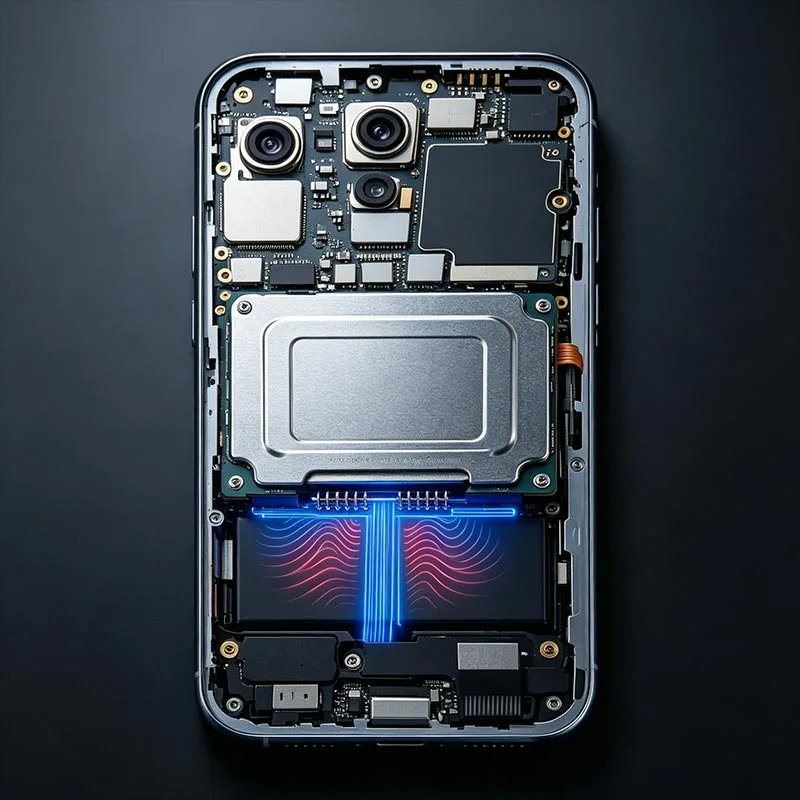
Qiyiguo Technology's Power Module EMI Shielding Covers are custom-engineered for the specific operating conditions of power circuits. Leveraging a material blend that integrates thermal and electrical conductivity, precision deep-cavity molding, and structural heat dissipation designs, they suppress EMI noise leakage at the source while efficiently dissipating heat generated by power components. They are designed to meet the requirements for stable, long-term mass production in industrial, new energy, and commercial power supply sectors.


The Power Module EMI Shielding Cover is a functional shielding component specifically developed to address noise sources in power circuits. Targeting key interference zones—such as power switching, rectification, and filtering stages—it blocks electromagnetic conduction and radiation via an enclosed metal cavity. Integrated with structural heat dissipation solutions, it delivers dual functionality: noise-reducing shielding and efficient heat dissipation, making it suitable for a wide range of high- and low-power supply equipment.
- Consumer Switching Power Supplies: Shielding and protection for AC-DC power adapters and standard SMPS modules.
- On-board Power Systems: Shielding for DC-DC buck/boost modules and internal device power modules.
- Industrial Power Equipment: Shielding for PoE (Power over Ethernet) modules, LED driver power supplies, and industrial control power supplies.
- Energy Storage & Inverter Equipment: Shielding for power circuits in solar inverters and UPS (Uninterruptible Power Supply) units.
- New Energy Power Systems: Shielding and isolation for BMS (Battery Management System) power sections and vehicle-mounted inverters.
Unlike the one-size-fits-all material selection used in standard consumer electronics, our Power Module EMI Shielding Covers offer tiered material options based on power ratings, thermal conditions, and budget constraints, ensuring a precise match for the performance needs of different devices.
Offers balanced overall performance, combining excellent electromagnetic shielding, thermal conductivity, and mechanical strength. It is resistant to high temperatures and deformation, making it suitable for the standard operating conditions of most industrial and energy storage power supplies; it is the most versatile material for mass production.
Offers excellent material stability and cost-performance; meets standard requirements for basic shielding and rust prevention. Ideal for cost-sensitive, high-volume projects such as low-to-medium power supplies and commercial adapters.
Superior electrical and thermal conductivity compared to steel; features extremely low high-frequency shielding loss and rapid heat dissipation for high-power components. Specifically engineered for high-end power equipment operating at high frequencies, high power levels, and high heat flux densities.
- Precision Stamping: Integrated forming for flat, low-to-medium power cavities; ensures high dimensional consistency and seamless construction for superior shielding and sealing.
- Combined Deep-Drawing and Stamping: Employs multi-stage deep-drawing for high-power, deep-cavity structures; prevents material cracking and uneven wall thickness while ensuring cavity depth and structural integrity to accommodate tall components.
- SMT Reflow Soldering: Compatible with automated mass production; ensures secure mounting and stable grounding ideal for standardized on-board power modules.
- Screw Fastening: Allows for easy assembly and disassembly with reliable grounding; facilitates maintenance, component replacement, and servicing of power equipment.
- Snap-Fit Mounting: Enables rapid, solder-free assembly; suitable for lightweight, standardized mass-produced models.
Supports nickel and zinc plating to effectively enhance oxidation and corrosion resistance; ensures optimal solder wettability and grounding conductivity, meeting the demands of long-term, continuous power equipment operation.
- Ventilation Hole Array Design: Precise hole placement based on the heat-generating points of power components; accelerates convective cooling without compromising electromagnetic signal containment.
- Thermal Interface Surfaces: Flat mating surfaces designed to accommodate thermal pads or thermal gels, facilitating rapid heat dissipation from the internal cavity.
- Customized Heat Sink Fins: External fins available for high-power models to increase surface area and enhance overall thermal exchange efficiency.
- Deep-Cavity Compatibility: Specialized deep-draw forming processes accommodate the height requirements of high-power components while preventing structural interference.
- Shielding Effectiveness: 60-100 dB; effectively covers high-frequency switching interference bands in power supplies, suppressing both conducted and radiated EMI noise.
- Material Thickness: Thickened specifications (0.2 mm–0.4 mm) balance structural rigidity with thermal conductivity, suitable for high-power thermal loads.
- Manufacturing Precision: High-precision tolerance of ±0.05 mm ensures excellent cavity fit and precise alignment of mounting holes with the PCB.
- Structural Capabilities: Supports deep-draw forming, various mounting structures, and fully customized multidimensional thermal dissipation designs.
We operate under ISO9001 and IATF16949 quality management systems, ensuring standardized control across the entire production chain. Full traceability is maintained from material selection and precision forming to surface treatment and final inspection, supporting mass production for global Tier 1 and OEM clients.
Optical inspection equipment is used to verify critical dimensions, cavity flatness, and hole position accuracy, strictly controlling for mass-production defects such as deep-cavity deformation, dimensional deviations, and sealing issues.
Third-party shielding effectiveness test reports are available for customer-specified frequency bands. Products fully comply with domestic and international EMC standards for power supply equipment, including EN 55032, CISPR 32, FCC Part 15, and CE-RED. Each batch includes a comprehensive factory inspection report to ensure consistency and regulatory compliance.
Upon receiving schematics, PCB layouts, and thermal design parameters from clients, our engineering team completes a professional DFM assessment within 48 hours. We simultaneously provide a comprehensive solution covering shielding effectiveness estimation, thermal structure optimization, and manufacturing feasibility.
Prototyping lead times are 5–7 working days for standard, deep-cavity, and complex thermal structures. We support multiple rounds of structural iteration and optimization, rapidly aligning with the R&D, testing, and preliminary certification schedules of power supply products.
Minimum Order Quantities (MOQs) are negotiable, seamlessly accommodating needs across all stages—from small-batch sampling and pilot verification to mass production. Mass production lead times are dynamically adjusted based on order volume, ensuring stable, long-term supply.
No. All ventilation hole arrays are optimized regarding aperture size and spacing based on the power supply's interference frequency bands. This design prevents electromagnetic resonance leakage, ensuring effective convective cooling while maintaining full shielding integrity, consistently meeting EN 55032 and CISPR 32 certification limits.
We utilize a proprietary combined deep-drawing and stamping process. Compared to standard stamping, this method ensures uniform sidewall thickness and superior structural toughness, preventing collapse or deformation. The precise fit effectively eliminates magnetic leakage through gaps, making it suitable for the long-term operation of high-power power supplies.
For low-to-medium power or cost-sensitive projects, SGCC galvanized steel is used. SUS304 stainless steel is preferred for general-purpose high-power industrial power supplies. Copper alloys are recommended for high-frequency, ultra-high-power, and high-heat-flux equipment, offering an optimal balance of thermal conductivity and shielding performance.
Yes. Assembly methods can be selected based on production line requirements: SMT reflow soldering for automated mass production, or mechanical fastening (screws/clips) to facilitate future inspection, component replacement, maintenance, and upgrades of the power module.
No. The thicker board materials (0.2mm–0.4mm) are specifications specifically tailored for power supply equipment; they offer slightly improved structural strength and thermal conductivity without occupying extra assembly space, thereby aligning with the trend toward miniaturization in high-density power supply module design.
Address
Fumin Science and Technology Park, Songgang Subdistrict, Bao'an District, Shenzhen City, Guangdong Province, China
Tel