E-mail
WhatsApp



Smart wearable devices are continuously evolving toward ultra-thin, lightweight, and multifunctional designs; consequently, the internal assembly space within devices such as smartwatches, TWS earbuds, AR/VR glasses, and smart health patches is extremely constrained.
With main control chips, Wi-Fi/Bluetooth RF modules, high-precision sensors, and power management circuits densely stacked, EMI issues such as signal coupling, power noise crosstalk, and sensor data distortion frequently arise. Furthermore, the human body environment interferes with antenna transmission and reception, directly impacting device stability, battery life, and wireless certification success rates.
Qiyiguo Technology's Smart Wearable Device EMI Shielding Cover is custom-engineered for miniaturized wearables. It balances a slim profile and heat dissipation with antenna efficiency, meeting the mass-production requirements across the full spectrum of smart wearable devices.


Wearable devices are often only millimeters thick, featuring high-density integration of various functional circuits. High-speed digital signals and RF signals are prone to mutual coupling and interference, leading to common issues such as Bluetooth disconnections, Wi-Fi lag, and sensor data inaccuracies.
Traditional shielding covers are often too thick and heavy, increasing the device's overall thickness and weight and compromising lightweight designs. Conversely, standard ultra-thin shielding structures often suffer from insufficient shielding effectiveness and susceptibility to deformation, making it difficult to balance performance with aesthetics.
Wearable devices feature compact antenna layouts and limited space for heat dissipation. Conventional shielding structures can easily obstruct antenna signals and impede internal heat dissipation, resulting in signal attenuation and device overheating or lag, which negatively affects the user experience.
This Smart Wearable Device EMI Shielding Cover is a high-precision, ultra-thin shielding component designed for miniature PCBs. Unlike standard consumer electronics shielding covers, it emphasizes an ultra-thin, lightweight profile, micro-scale precision, and low signal interference. It isolates internal electromagnetic noise without compromising antenna performance or thermal efficiency, thereby meeting the rigorous structural and performance standards required for smart wearable devices.
- Smartwatches/Smartbands: Electromagnetic shielding for main control circuits, power modules, and sensor modules.
- TWS Bluetooth Earbuds: Shielding and protection for charging case PCBs and internal miniature earbud circuitry.
- AR/VR Smart Glasses: High-precision electromagnetic isolation for main control boards and RF modules.
- Smart Health Devices: Sensor shielding for health monitoring patches and vital sign detection equipment.
- Micro Smart Terminals: Shielding for control boards in ultra-compact wearables like smart rings.
To meet the core requirements of extreme thinness and miniaturization in wearable devices, our EMI shielding covers utilize specialized ultra-thin materials, avoiding bulky alternatives.
Standard thickness: 0.1mm–0.15mm. This material offers high rigidity, wear resistance, and resistance to deformation. It effectively withstands structural deformation caused by daily wear, impacts, and assembly/disassembly, making it ideal for devices requiring high structural stability.
Standard thickness: 0.1mm–0.2mm. It features excellent electrical conductivity and stable high-frequency shielding performance. Being lightweight and thin, it adds minimal weight and causes negligible interference with antenna signals, making it the preferred mainstream material for high-end smart wearables.
- Precision Ultra-thin Stamping: High-speed, one-piece stamping for standard flat micro-shielding structures; ensures uniform dimensions, burr-free edges, and no deformation, making it suitable for automated mass production.
- Hybrid Stamping & Laser Cutting: A combined process for complex 3D or irregular shapes (e.g., AR/VR glasses, smart rings); enables precise forming to meet custom requirements for non-standard contours and micro-apertures.
Optimized specifically for micro PCB pads in wearable devices; supports ultra-narrow custom solder tabs (down to 0.2mm) and is fully compatible with SMT reflow soldering. Ensures a secure fit and eliminates defects such as cold joints, misalignment, or detachment of micro-components.
Supports two mainstream surface treatment processes nickel plating and conductive oxidation ensuring both soldering compatibility and long-term oxidation resistance. These finishes meet the aesthetic quality requirements for exposed structural components in wearable devices, with no defects such as coating peeling or discoloration.
- Shielding Effectiveness: 50–80 dB; precisely covers the full operating frequency range of smart wearable devices and effectively isolates common electromagnetic interference (EMI).
- Material Thickness: Ultra-thin specifications (0.1 mm–0.15 mm) to minimize assembly space and reduce the overall weight of the device.
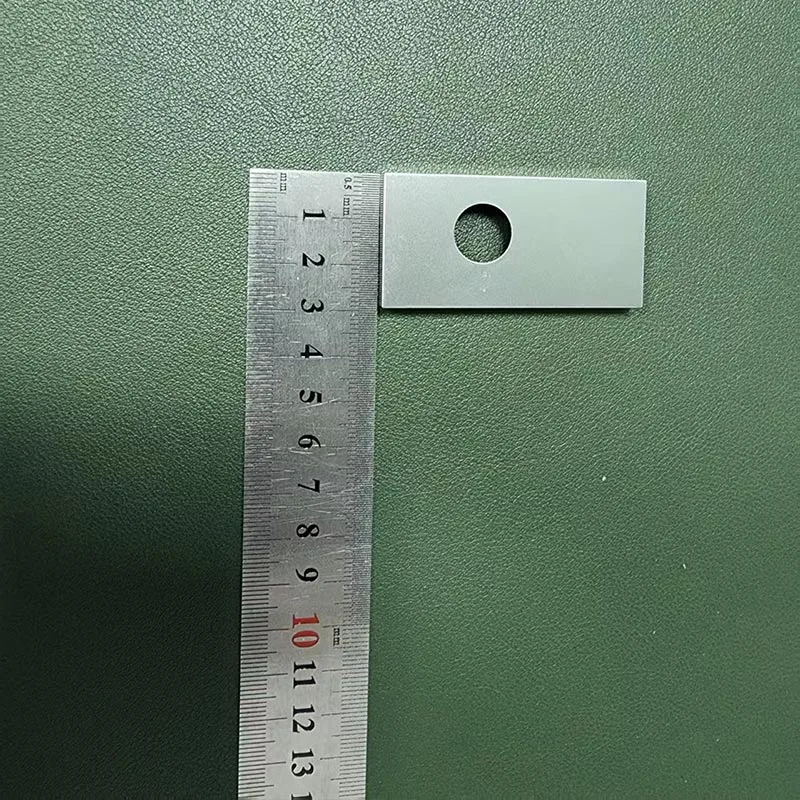
- Machining Precision: Ultra-high precision tolerance of ±0.03 mm, perfectly suited for high-density, fine-pitch PCB layouts in wearables.
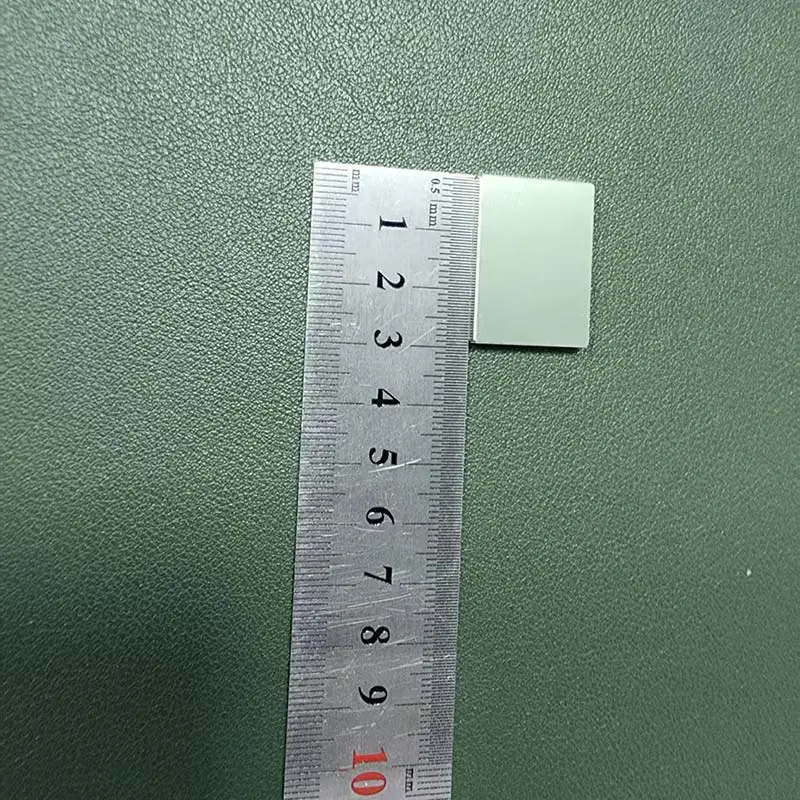
- Minimum Custom Size: Supports customization of ultra-miniature shielding covers as small as 5 mm × 5 mm, fitting various micro-circuit modules.
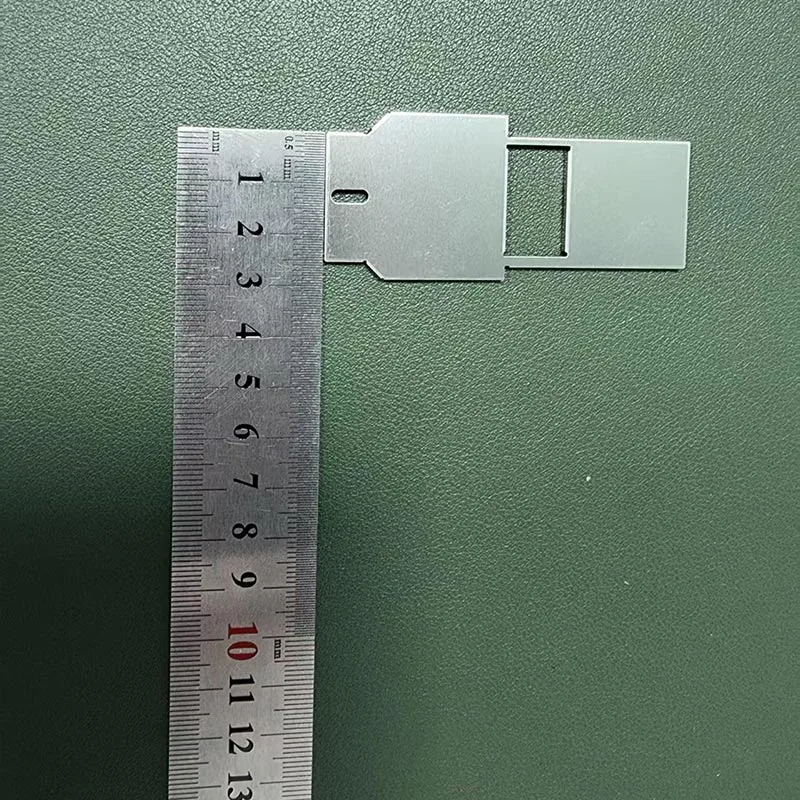
- Structural Customization: Customizable features include irregular profiles, integrated spring-clip fasteners, micro-ventilation holes, and cutouts for component clearance.
- Soldering Compatibility: Compatible with standard SMT reflow soldering processes; ultra-narrow solder tabs can be customized for fully automated SMT production lines.
Our factory strictly adheres to ISO9001 and IATF16949 quality management systems, implementing standardized control across the entire production process. Every stage from ultra-thin sheet cutting and precision stamping to surface treatment and final inspection is fully controlled to ensure batch-to-batch consistency for these miniature products.
Given the small size and high precision requirements of these shielding covers, high-precision optical inspection equipment is used to inspect every single unit. Strict controls are applied to detect subtle defects such as deformation, dimensional deviations, and hole misalignment, eliminating quality risks in mass production.
Shielding parameters align with standards for consumer wireless devices; shielding test data for relevant frequency bands can be provided to facilitate successful certification (e.g., FCC Part 15, CE-RED, Bluetooth SIG). Each batch of Smart Wearable Device EMI Shielding Covers comes with a comprehensive factory inspection report, ensuring full traceability.
To align with the rapid iteration cycles of the wearable device industry, our engineering team conducts a professional DFM (Design for Manufacturability) assessment within 24–48 hours of receiving PCB layouts and structural constraint drawings. We simultaneously provide recommendations for structural optimization, process adaptation, and shielding scheme improvements.
Leveraging mature ultra-thin stamping processes, we offer a prototyping turnaround of just 3–5 working days for both standard and irregular structural designs. We support multiple rounds of structural iteration and modification to rapidly align with product R&D and prototype testing schedules.
With no rigid minimum order quantity (MOQ) requirements, we flexibly meet needs across all stages from R&D sampling and small-batch pilot runs to full-scale mass production precisely matching the short cycles and rapid iteration pace of smart wearable projects.
Our Smart Wearable Device EMI Shielding Cover utilize specialized ultra-thin stainless steel and nickel silver (NS) base materials combined with precision integrated stamping processes. They offer high structural toughness and flatness, resisting deformation during normal assembly and use. Furthermore, the materials provide stable shielding performance; the ultra-thin design does not compromise shielding effectiveness or cause signal attenuation, making them suitable for the long-term use required by wearable devices.
Yes, they are fully compatible. We support customized narrow solder tabs as small as 0.2mm with a dimensional accuracy of ±0.03mm. The tabs feature excellent flatness and consistency, ensuring full compatibility with fully automated SMT reflow soldering processes. This results in high SMT yields without the need for manual rework, making them ideal for high-volume automated mass production.
No. We employ designs specifically optimized for wearable devices. We can incorporate clearance structures based on antenna layouts and customize micro-ventilation holes. This allows us to achieve effective EMI shielding while avoiding antenna signal obstruction and ensuring proper internal heat dissipation, thereby maintaining the device's communication and thermal performance.
We support the customization of ultra-miniature shielding cans as small as 5mm x 5mm and can accommodate special structural requirements such as irregular shapes, non-planar surfaces, and ultra-thin cavities making them ideal for ultra-compact wearable devices like smart rings and miniature sensor patches.
For applications prioritizing extreme thinness, superior wireless signal performance, and high-end shielding effectiveness, nickel silver (C7521) is the preferred choice. For projects emphasizing structural rigidity, impact resistance, and cost-effective mass production, ultra-thin stainless steel (SUS304) is recommended. We also offer free material selection advice based on your product positioning.
Address
Fumin Science and Technology Park, Songgang Subdistrict, Bao'an District, Shenzhen City, Guangdong Province, China
Tel