Products

Products

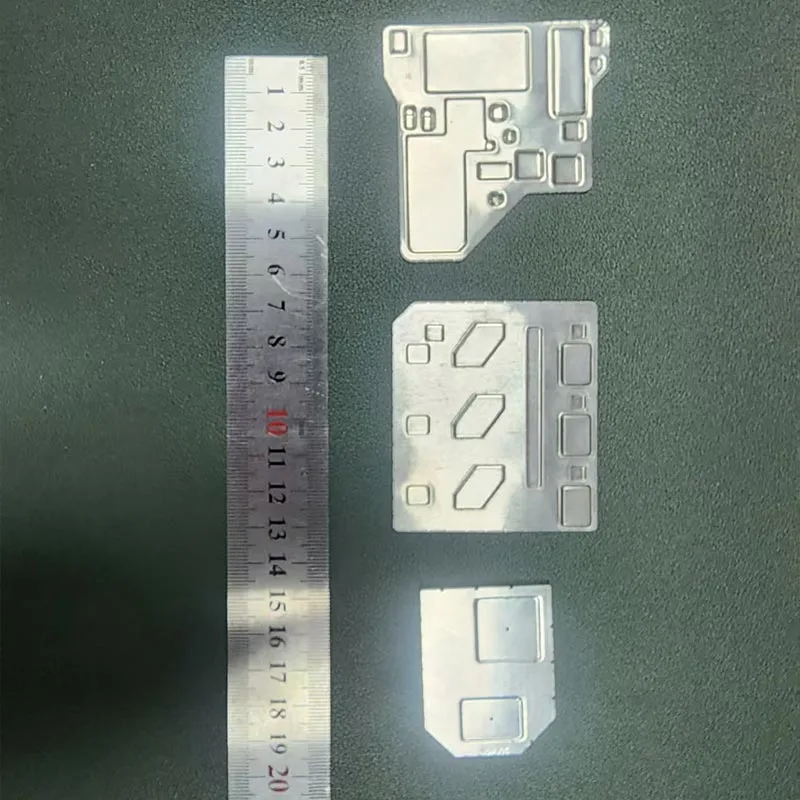
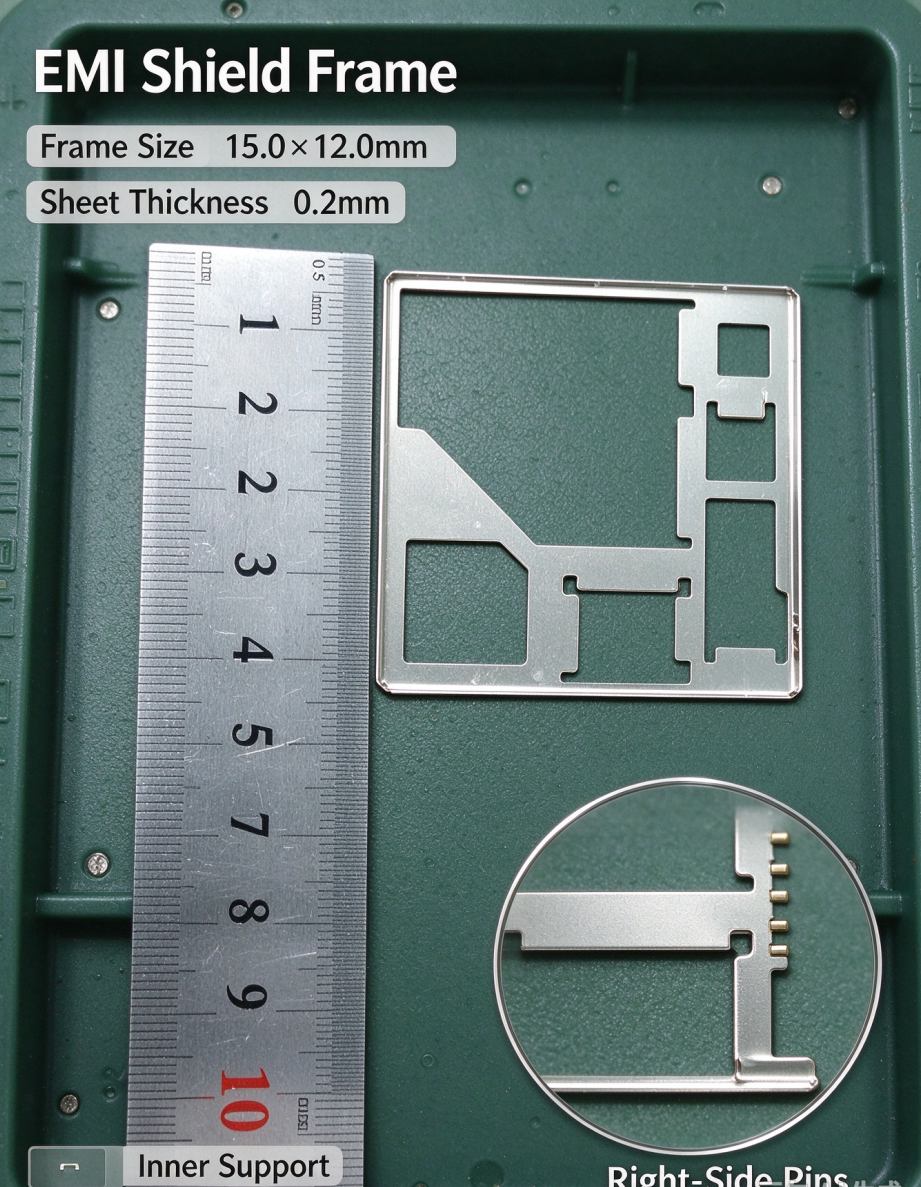
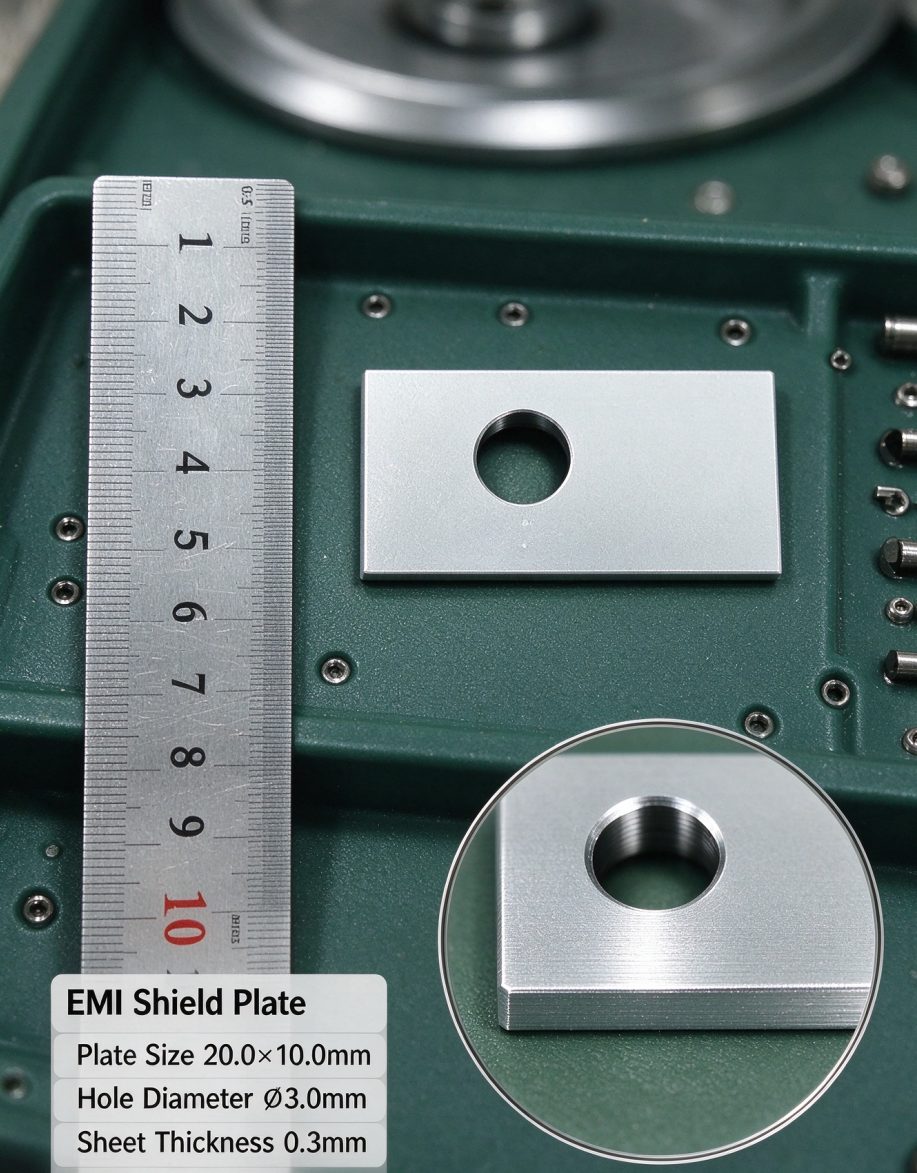
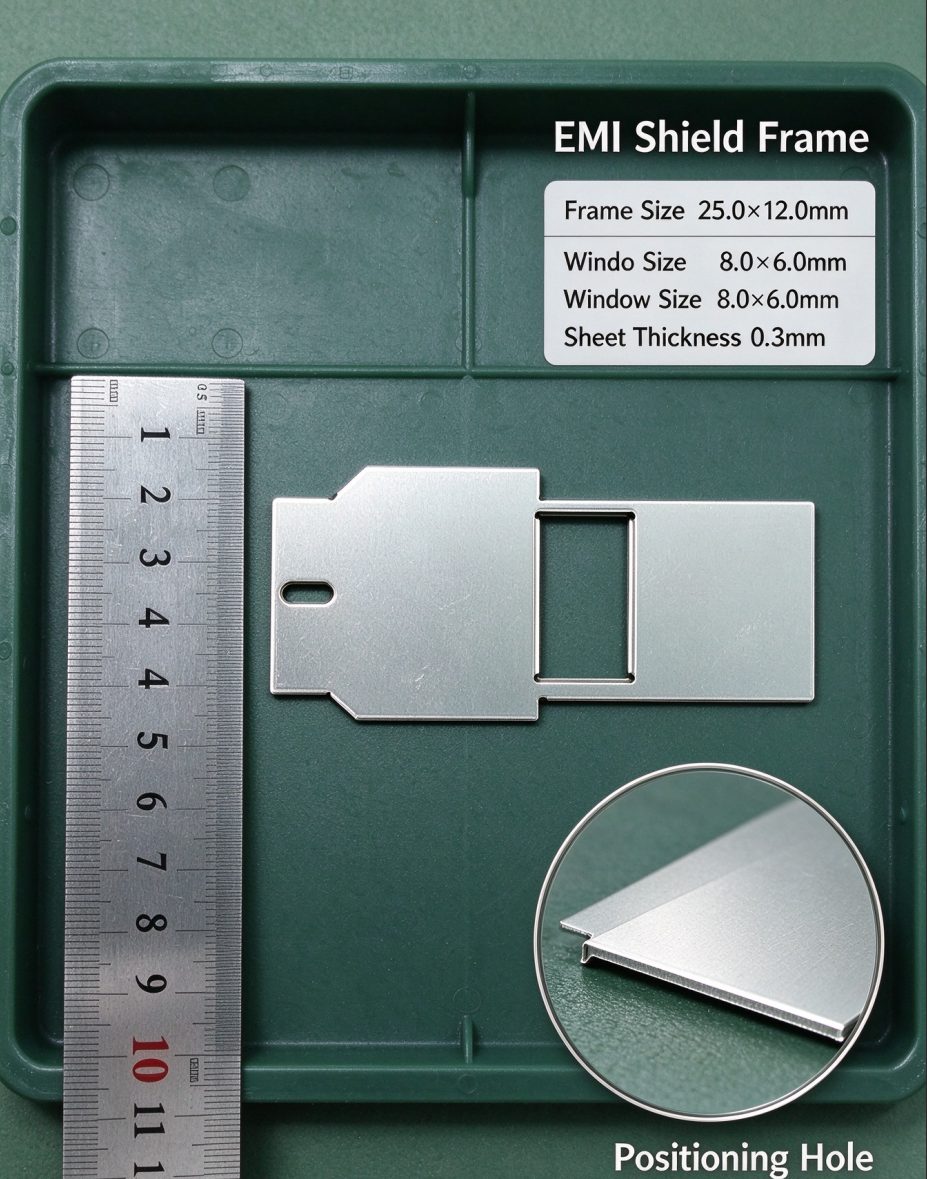
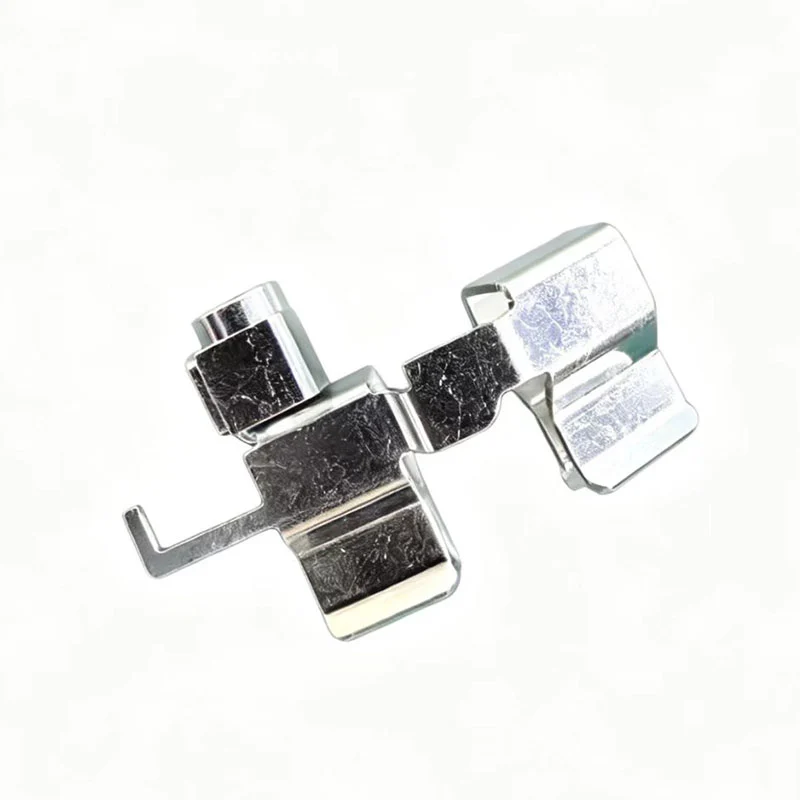
Laptop Tablet EMI Shielding Cover
  • Laptop Tablet EMI Shielding CoverLaptop Tablet EMI Shielding Cover
  • Laptop Tablet EMI Shielding CoverLaptop Tablet EMI Shielding Cover
  • Laptop Tablet EMI Shielding CoverLaptop Tablet EMI Shielding Cover
  • Laptop Tablet EMI Shielding CoverLaptop Tablet EMI Shielding Cover

Laptop Tablet EMI Shielding Cover

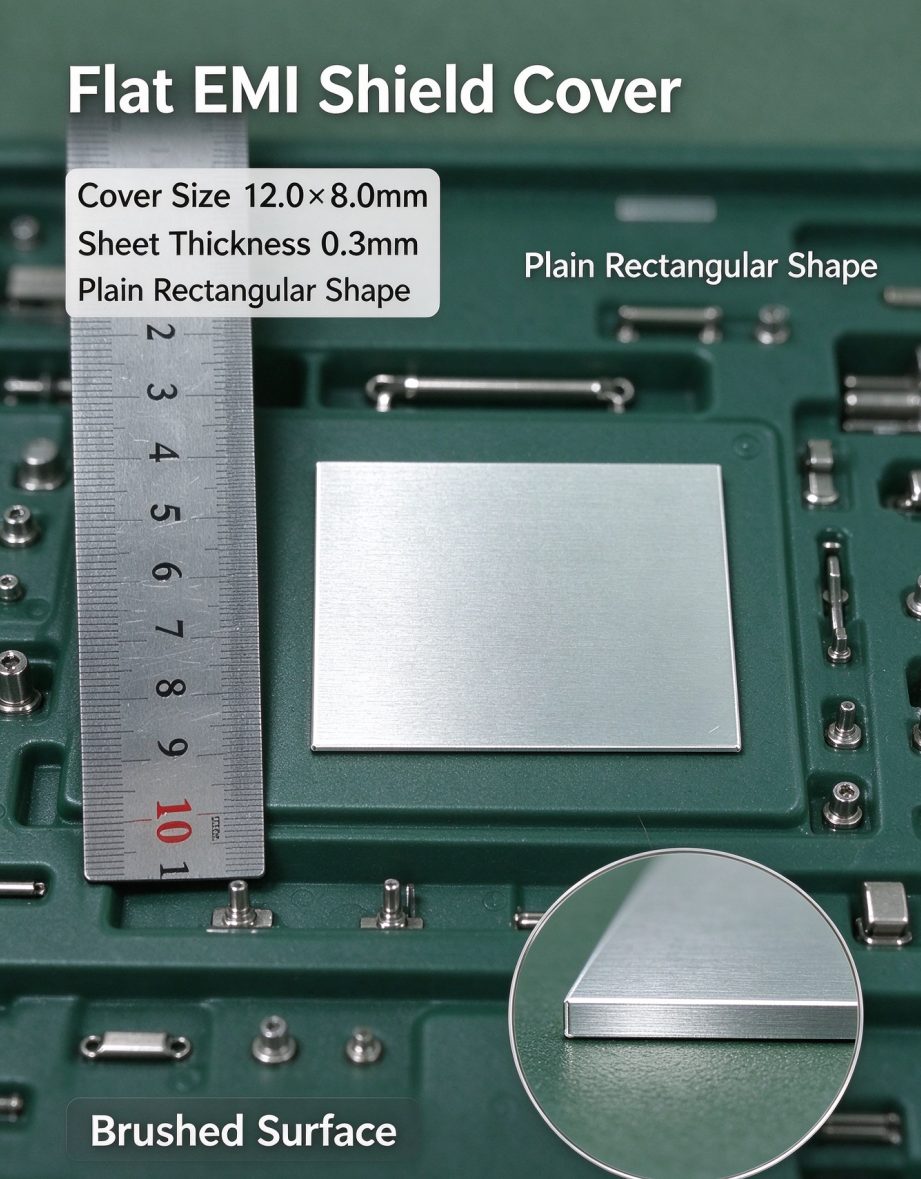
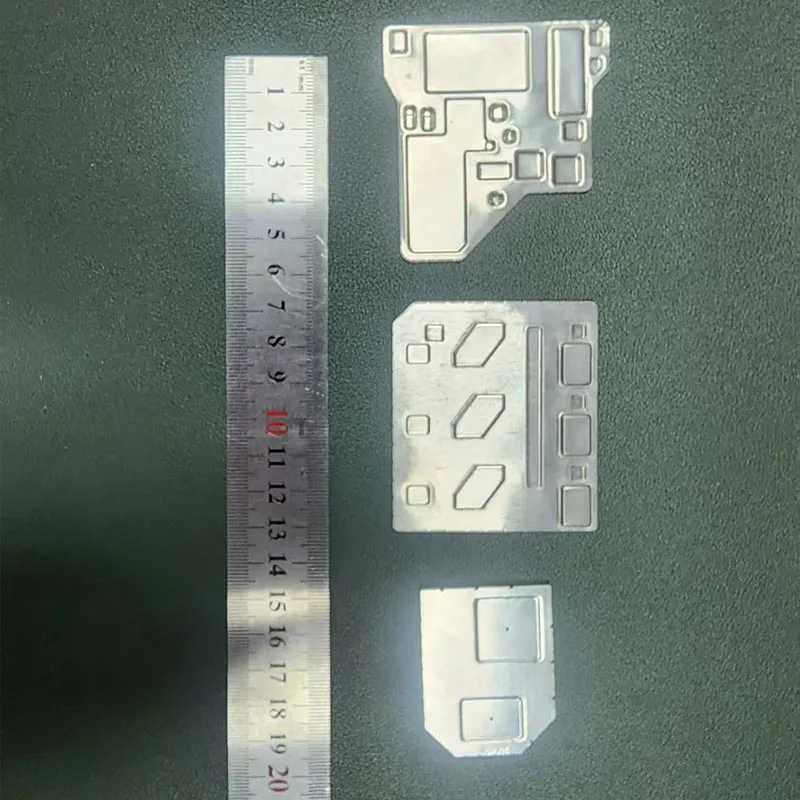
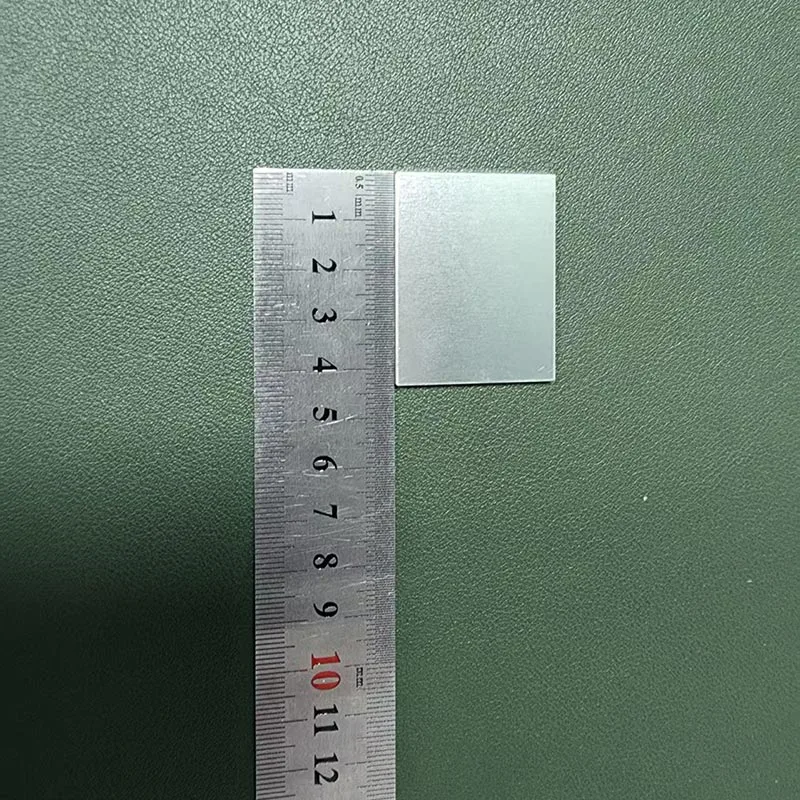
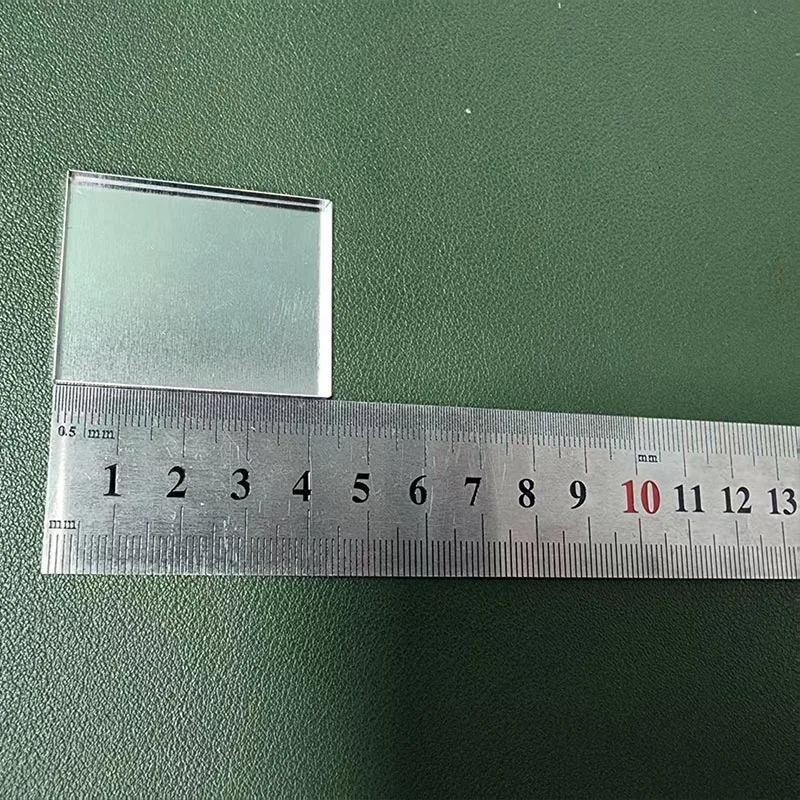
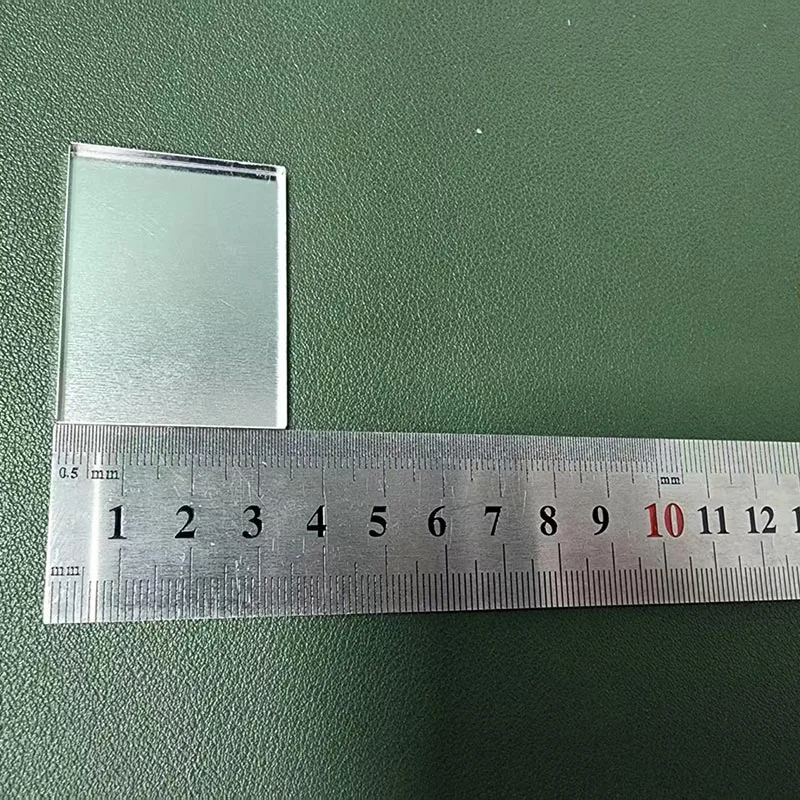
Qiyiguo Technology, a professional Manufacturer and Supplier in China, provides high-precision Laptop Tablet EMI Shielding Cover. It solves high-speed circuit EMI interference for thin-and-light notebooks and tablets, supports customized structure, heat dissipation design and full EMC certification documentation for bulk procurement.

Qiyiguo Technology offers high-performance Laptop Tablet EMI Shielding Cover. Specifically designed for the compact spaces, multi-module coexistence, and high thermal dissipation requirements of mobile computing devices, these covers utilize partitioned electromagnetic isolation, optimized structural compatibility, and customized thermal venting. They achieve stable, full-frequency shielding within the constraints of slim device profiles and are suitable for high-volume, standardized production of consumer computing devices.

Laptop Tablet EMI Shielding CoverLaptop Tablet EMI Shielding CoverLaptop Tablet EMI Shielding CoverLaptop Tablet EMI Shielding Cover

EMI and Structural Challenges Specific to Laptops and Tablets

1. Severe Interference from Dense Multi-Module Stacking

Motherboards integrate various circuits including high-performance processors, discrete graphics, high-speed storage, wireless communication, HD cameras, and touch controls. The interleaving and superposition of high-and low-frequency signals easily lead to internal crosstalk, causing system instability and functional anomalies.

2. Limited Shielding Space in Slim Bodies

As device thickness continues to decrease, internal assembly space becomes extremely limited. Traditional, bulky shielding structures are unsuitable, while conventional thin shielding components often suffer from incomplete shielding and susceptibility to deformation, making it difficult to balance a slim profile with effective shielding performance.

3. Strict Consumer-Grade EMC Certification Standards

Laptops and tablets are classified as Class B consumer digital products. They must strictly comply with standards such as FCC Part 15 Class B, CE-RED, CISPR 32, and VCCI. These standards impose rigorous limits on radiated and conducted interference, making compliance remediation particularly challenging.

4. Conflict Between Mass Production and Repairability

While integrated shielding structures offer simple assembly and excellent shielding, they complicate hardware upgrades and repairs. Conversely, standard split-type structures suffer from issues like magnetic leakage at seams and poor consistency, necessitating customized structural solutions to balance these competing requirements.

Product Definition and Application Scenarios

1. Core Product Positioning

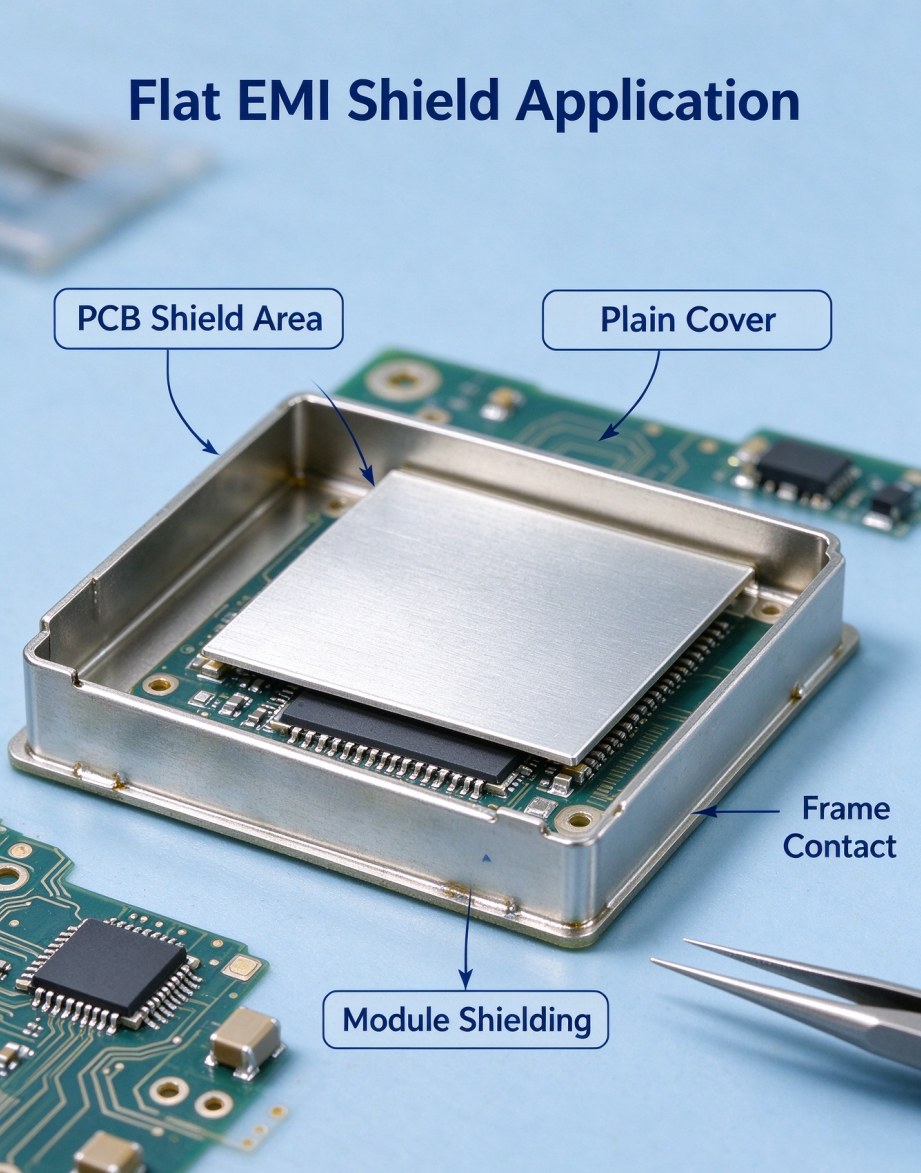
The Laptop Tablet EMI Shielding Cover is a specialized metal shielding structure designed for mobile computing device motherboards. Utilizing the Faraday cage principle, it provides enclosed electromagnetic isolation for critical functional areas of the motherboard, blocking high-speed circuit radiation leakage and external noise interference. Simultaneously, it accommodates thermal dissipation, slim structural designs, and after-sales repair needs, serving as a key hardware component for the compliant mass production and stable operation of slim computing devices.

2. Precision Shielding for Specific Zones

- Core Computing Zone: Shielding for CPU/GPU core power delivery and computing circuits; eliminates high-speed computing noise interference with system-wide signals.

- Storage Interface Zone: Shielding for memory slots and high-speed SSD modules; ensures data transmission integrity.

- Wireless Communication Zone: Dedicated shielding for Wi-Fi and Bluetooth modules; prevents excessive RF spurious emissions and signal attenuation.

- Power Control Zone: Shielding for motherboard power management modules; suppresses conducted and radiated power supply noise.

- Peripheral Function Zone: Shielding for camera modules and touch controllers; ensures image capture quality and touch precision.

- High-Speed Interface Zone: Shielding for USB and Thunderbolt interface circuits; mitigates high-speed transmission interference.

3. Dual-Structure Design to Suit Different Models

- Integrated Shielding Structure: Offers superior sealing and higher shielding effectiveness; ideal for thin-and-light models with fixed internal layouts that do not require frequent disassembly.

- Modular (Split-Type) Shielding Structure: Easy to assemble and disassemble; facilitates future hardware upgrades and repairs; suitable for gaming laptops and upgradeable models.

Material Selection Recommendations by Tier

1. SUS304/SUS430 Stainless Steel (For Structural Integrity)

High mechanical strength, deformation resistance, wear resistance, and corrosion resistance; resists sagging or warping over long-term use. Suitable for motherboard edges, load-bearing points, and large-area shielding zones to ensure overall structural stability.

2. SGCC Galvanized Steel (For Cost-Effective Mass Production)

Stable material properties and controllable costs; meets standard requirements for basic shielding and rust prevention. Suitable for mass production of mainstream mid-range thin-and-light laptops and tablets.

3. Nickel Silver (For High-End Wireless/High-Frequency Zones)

Excellent electrical conductivity and low high-frequency shielding loss; specifically adapted for high-frequency sensitive areas like wireless modules and high-speed interfaces. Effectively improves wireless signal purity and prevents excessive radiation emissions.

Manufacturing Process and Design Adaptability

1. Core Forming Processes

- Precision Stamping: One-piece forming for small-to-medium-sized shields; ensures uniform dimensions and seamless construction. Offers excellent shielding integrity and is suitable for automated mass production.

- Combined Stamping and Bending Process: Designed for large-area laptop shielding covers, this process utilizes multiple precision bending steps to ensure superior flatness across the large surface area, ensuring a precise fit with the motherboard assembly datum.

2. Dual-Method Fastening Solutions

- SMT Reflow Soldering: Suitable for high-volume automated assembly; ensures secure attachment and high consistency, making Laptop Tablet EMI Shielding Cover ideal for standard mass-produced models.

- Screw Fastening: Allows for easy assembly and disassembly; suitable for devices requiring frequent repairs or hardware upgrades, resulting in lower maintenance costs.

- Hybrid Snap-fit and Welding: Balances structural integrity with removability; suitable for high-end, customized models.

3. Corrosion-Resistant and Compatible Surface Treatments

Supports various surface treatments including nickel plating, zinc plating, and passivation—to effectively enhance oxidation, rust, and corrosion resistance while ensuring good solder wettability, meeting the demands of long-term device operation.

4. Specialized Thermal Design

Heat dissipation vent arrays and thermal pad contact surfaces can be customized based on the chip's thermal output. This addresses heat accumulation during high-load operation and optimizes overall system thermal efficiency without compromising shielding performance.

Standardized Core Technical Parameters

- Shielding Effectiveness: 60–100 dB; fully covers the low-and high-frequency operating bands of laptops and tablets, meeting high-level EMI isolation requirements for consumer electronics.

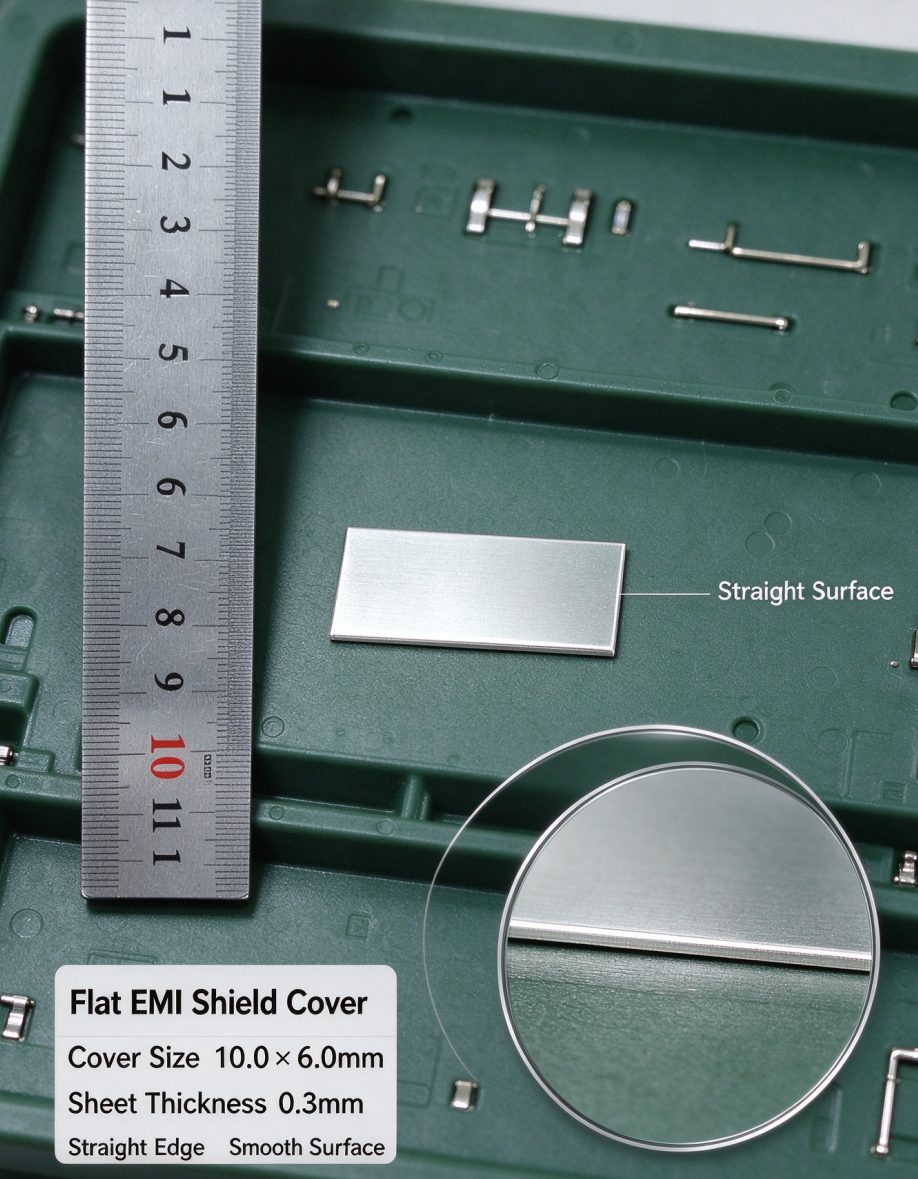
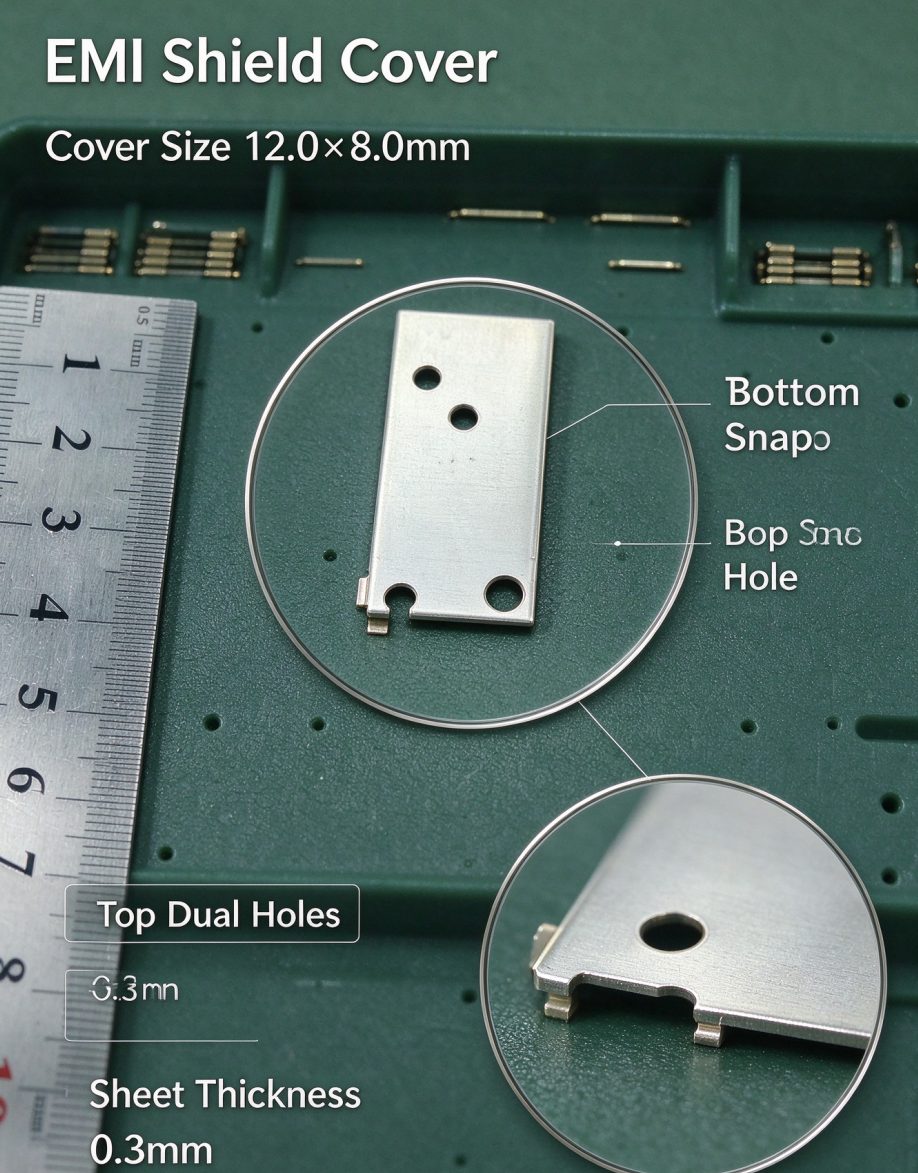
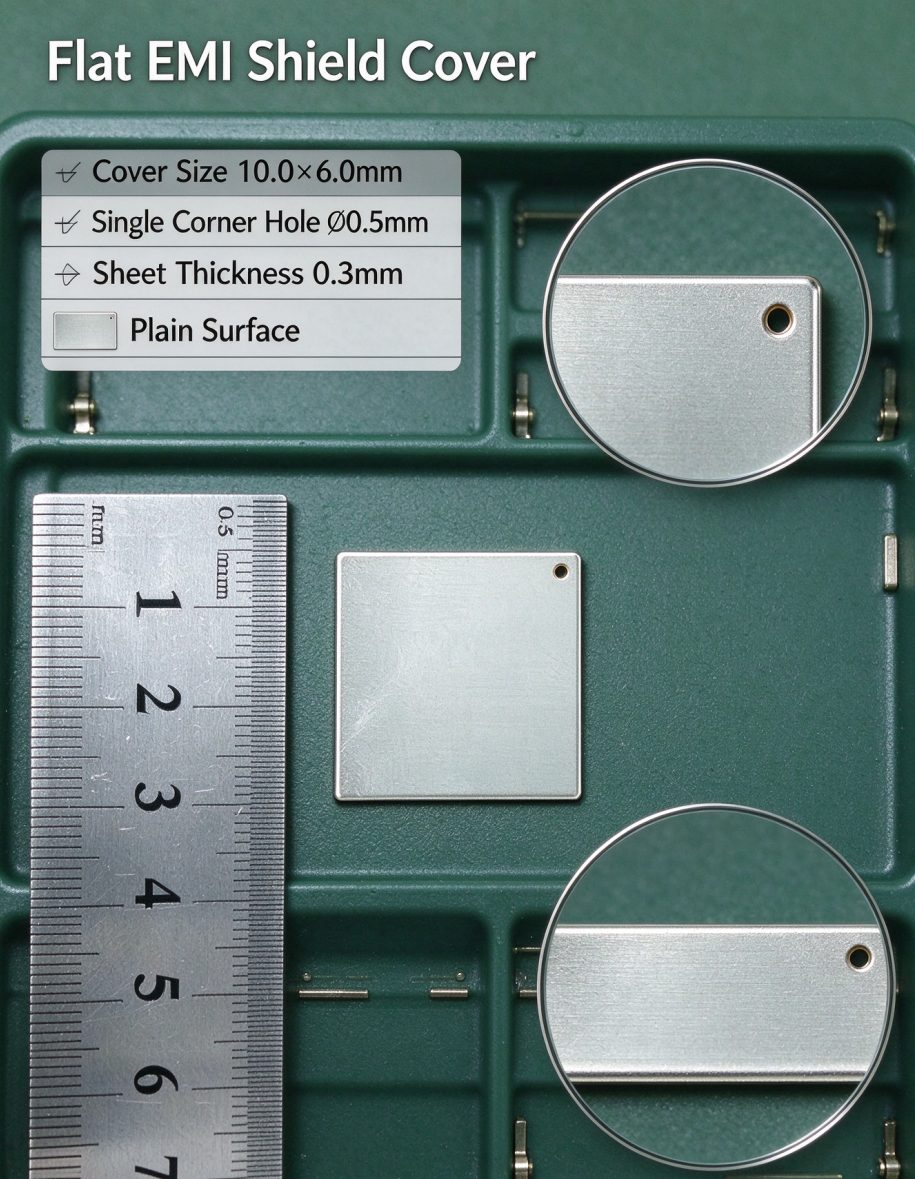
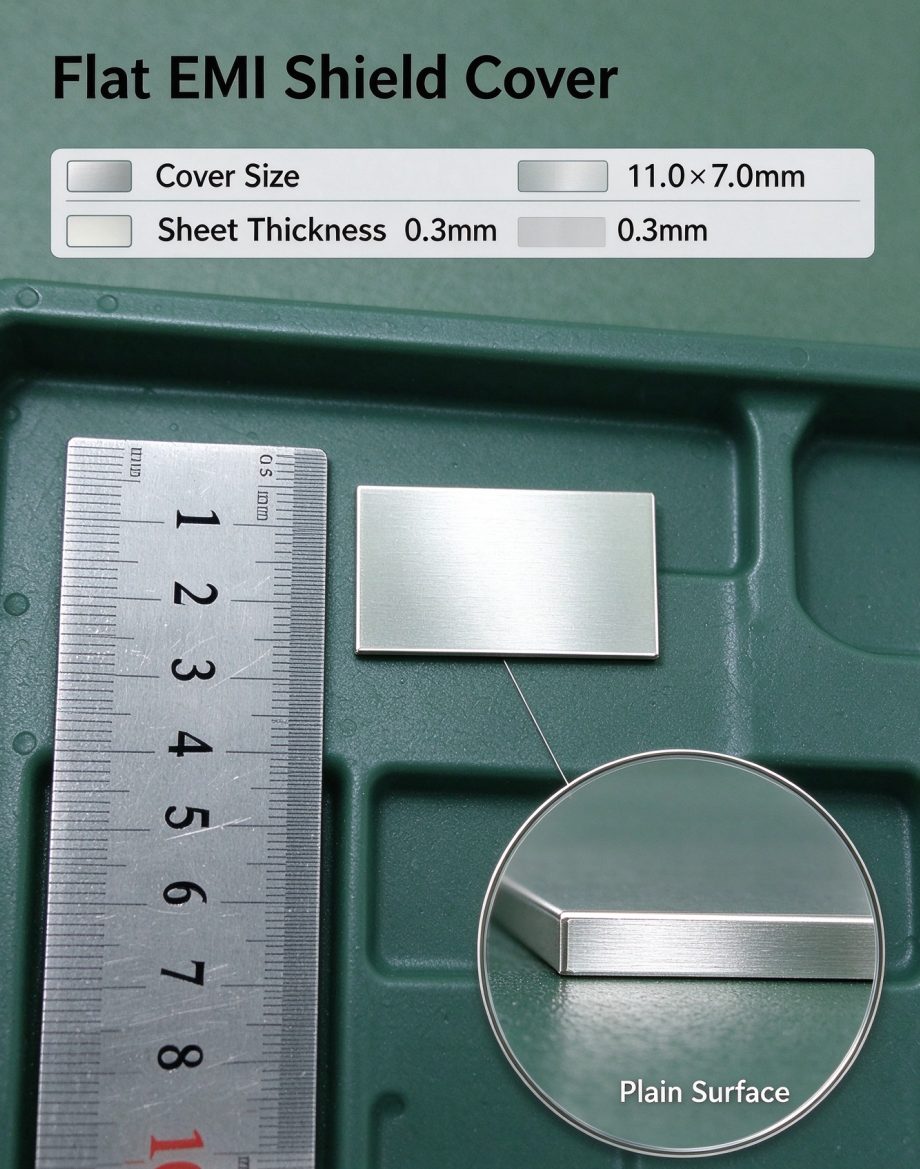
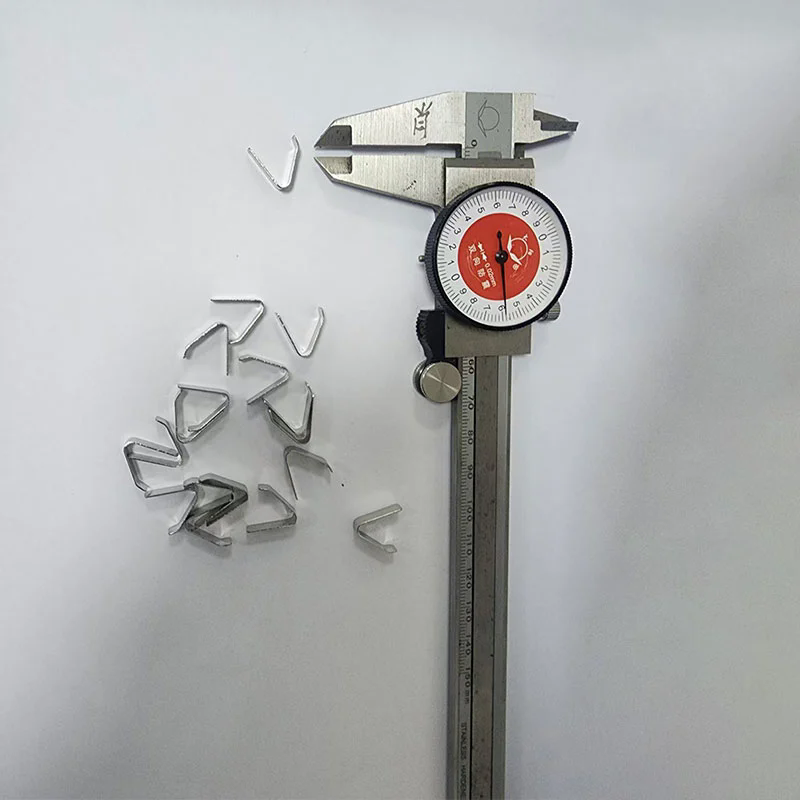
- Material Thickness: 0.15 mm–0.3 mm; balances device thinness/lightness with structural rigidity, avoiding any sense of bulkiness.

- Machining Precision: High-precision tolerance of ±0.05 mm; accommodates the precise layout of high-density motherboards, ensuring a perfect fit during assembly without misalignment.

- Customizable Dimensions: Supports a full range of sizes from 20 mm × 20 mm to 200 mm × 150 mm, suitable for everything from small module boards to large-area shielding for entire devices.

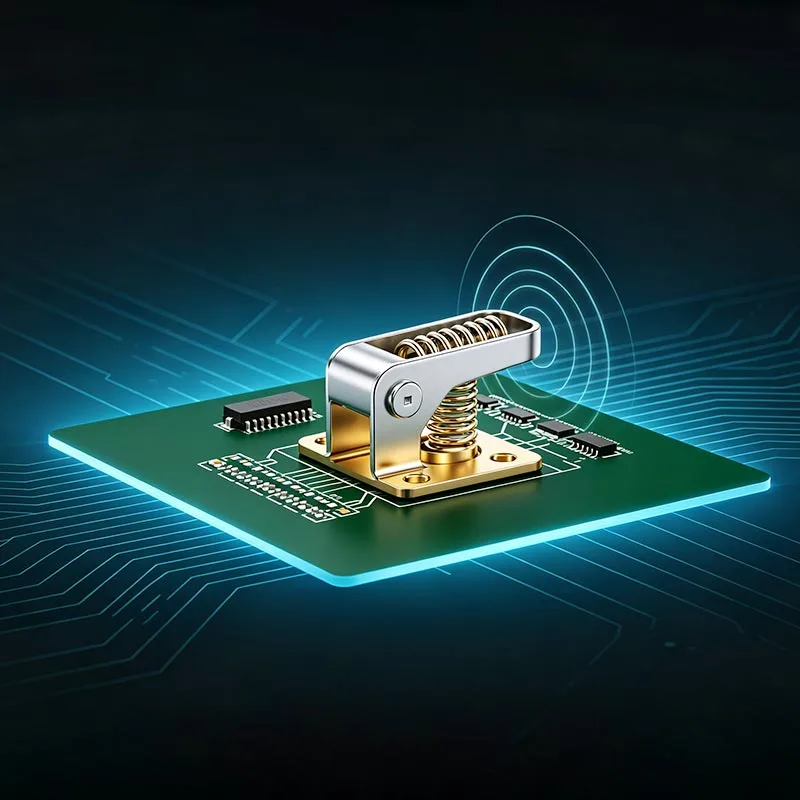
- Structural Customization: Features such as spring clips, screw holes, positioning/clearance cutouts, and thermal ventilation openings can be customized as needed.

Quality Control and Compliance Assurance

1. Standardized Quality Control System

Qiyiguo Technology strictly adheres to ISO9001 and IATF16949 quality management systems. We implement standardized control across the entire process from material selection, precision forming, and surface treatment to final product inspection ensuring full traceability and batch consistency.

2. High-Precision Full Inspection Mechanism

Optical inspection equipment is used to fully inspect all products for critical dimensions, flatness, and hole position accuracy, strictly controlling mass-production defects such as warping, deformation, and dimensional deviations.

3. Global EMC Certification Compatibility

We provide third-party shielding effectiveness test reports based on specified frequency bands. Our products fully comply with international certification standards for digital devices such as FCC Part 15 Class B, CE-RED, CISPR 32, and VCCI—facilitating smooth export and mass production. Each batch comes with a comprehensive factory inspection report, ensuring quality is verifiable and traceable.

Customization Support

1. Professional Upfront DFM Support

Customers can provide 2D/3D structural drawings and PCB layout files. Our engineering team completes a Design for Manufacturability (DFM) review within 48 hours, simultaneously providing professional recommendations on structural optimization, thermal management, process compatibility, and cost optimization to mitigate mass-production risks.

2. Efficient and Rapid Prototyping & Iteration

Standard structural samples have a stable lead time of 5–7 working days. We support rapid prototyping and multi-round iteration for complex designs such as split-type, large-area, and irregular heat-dissipation structures to align with product R&D and testing schedules.

3. Flexible Mass Production & Delivery Across All Stages

MOQs are flexible and negotiable, seamlessly meeting needs ranging from small-batch pilot runs and medium-batch validation to full-scale mass production. Mass production lead times are dynamically adjusted based on order volume, ensuring stable, long-term supply.

FAQ

Q1: How should I choose between integrated and split-type shielding structures?

For standard thin-and-light laptops and tablets where ultimate shielding performance, a slim profile, and no need for disassembly-based upgrades are priorities, the integrated structure is the preferred choice. For models requiring future repairs, memory/SSD replacement, or frequent disassembly for debugging, the split-type structure is recommended, as it balances shielding performance with ease of assembly and disassembly.

Q2: Will heat-dissipation apertures in the shielding cover cause electromagnetic leakage or EMC compliance issues?

No. We optimize aperture size and array layout based on frequency wavelengths and shielding principles; this effectively prevents electromagnetic leakage while meeting chip thermal requirements, and the designs consistently pass various consumer EMC certification standards in testing.

Q3: What are the performance and cost differences between Laptop Tablet EMI Shielding Covers made of different materials?

Galvanized steel offers the best cost-performance ratio and is suitable for mass-producing standard models. Stainless steel provides high structural strength and resistance to deformation, making it ideal for large-area or high-stress zones. Nickel silver (Cu-Ni-Zn alloy) offers superior high-frequency shielding performance and is primarily used for sensitive circuit areas like wireless modules and high-speed interfaces; materials can be selected and combined by zone according to specific needs.

Q4: Will screw-fastened models affect the structural integrity or shielding effectiveness of the device?

No. The screw-fastening design ensures a tight fit and stable grounding, providing excellent shielding integrity and resistance to loosening over long-term use. Additionally, it allows for repeated assembly and disassembly without damaging motherboard pads, making it perfectly suited for after-sales repairs and hardware upgrades.

Q5: Are large-area laptop shielding covers prone to warping or deformation?

No. To address the issue of large-area cover plates being prone to deformation, a process combining precision stamping and multi-stage bending for shape setting is employed; this is coupled with comprehensive optical flatness inspections to strictly control warpage defects, thereby ensuring a precise fit during assembly and maintaining structural stability.

Send Inquiry
Contact Info
  • Address

    Fumin Science and Technology Park, Songgang Subdistrict, Bao'an District, Shenzhen City, Guangdong Province, China

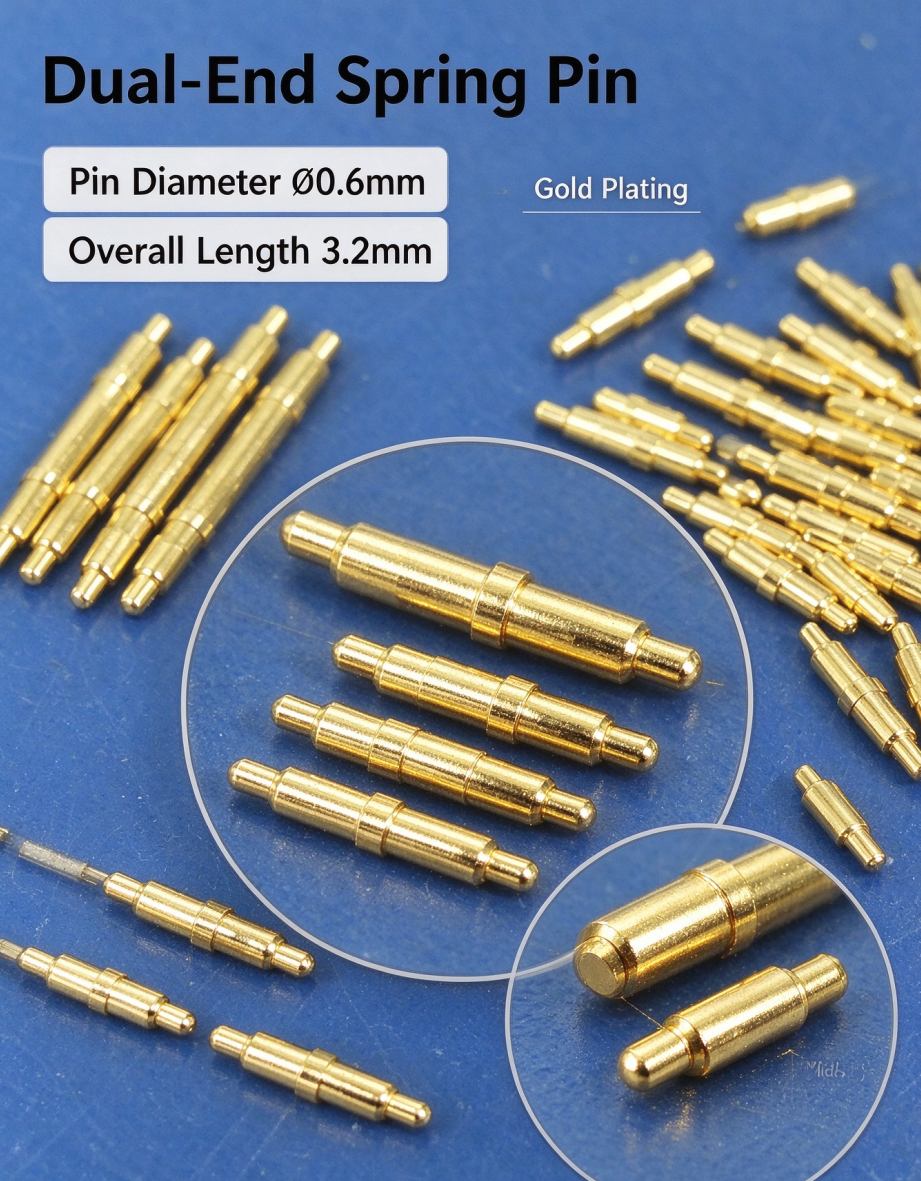
If you have customization demands or bulk procurement plans for EMI shielding components, precision metal parts and pogo pin products, please send your inquiry here. Our professional engineering and sales team will provide DFM evaluation, customized solution design and exclusive quotation within 48 hours, supporting long-term OEM and ODM cooperation.
X
We use cookies to offer you a better browsing experience, analyze site traffic and personalize content. By using this site, you agree to our use of cookies. Privacy Policy
RejectAccept