E-mail
WhatsApp


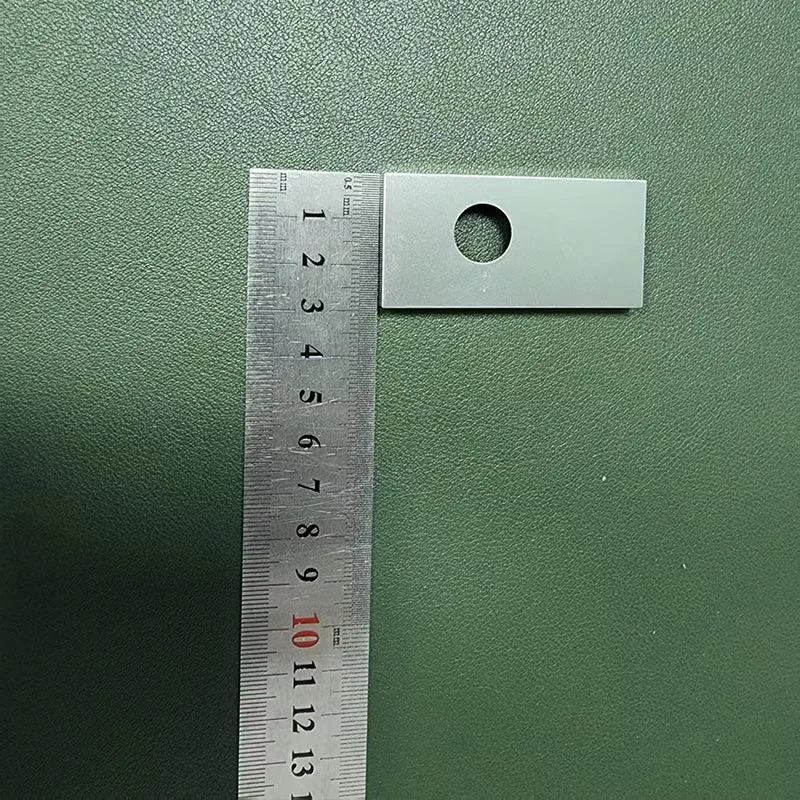

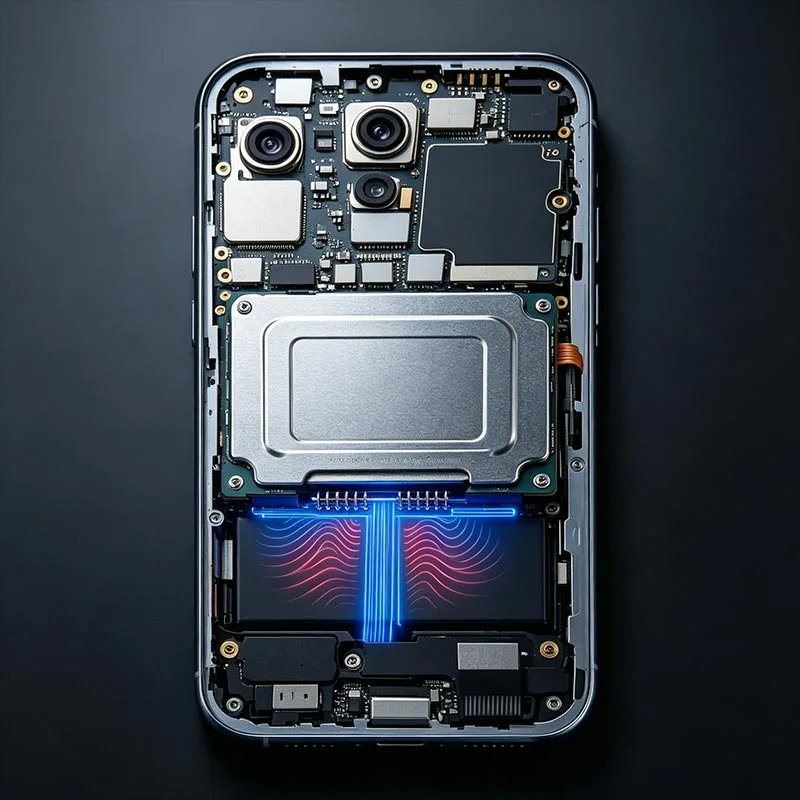
With the evolution of wireless communication technologies such as 5G, Wi-Fi 6/6E/7, and Bluetooth 5.x, RF modules are increasingly trending toward multi-band compatibility, ultra-high integration, and miniaturization. Integrating precision RF circuits such as PAs, LNAs, mixers, VCOs, and PLLs into compact PCB spaces creates high sensitivity to electromagnetic crosstalk.
This susceptibility can lead to issues like reduced reception sensitivity, excessive transmission spurious emissions, and module-to-module interference; furthermore, harmonic radiation from the module itself can cause failure in EMC certification.
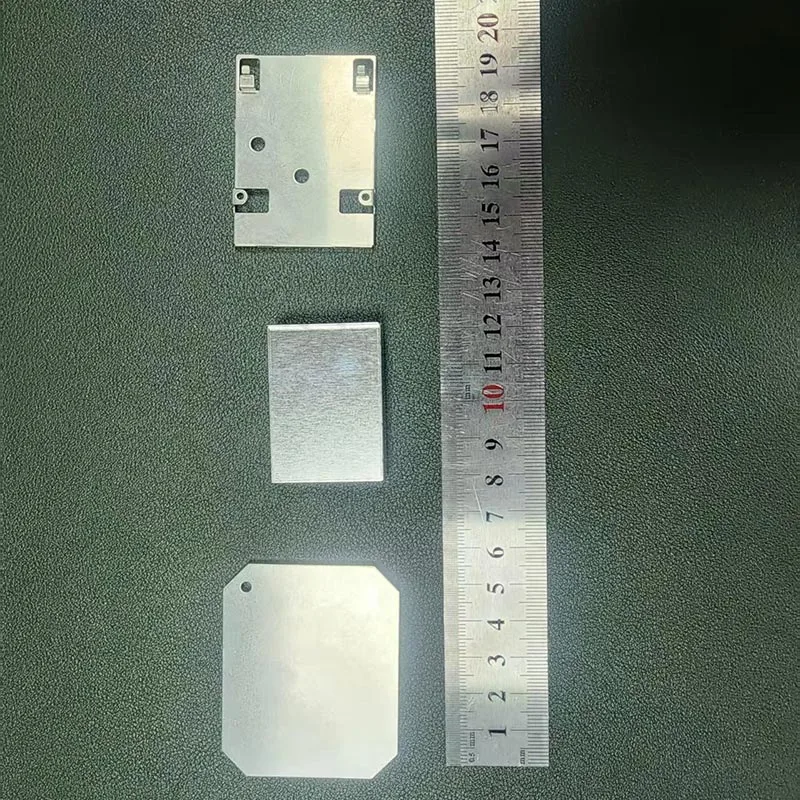
The RF Module EMI Shielding Cover developed and manufactured by Qiyiguo Technology is specifically designed for high-frequency RF modules. It creates a closed electromagnetic isolation environment using a precision metal cavity structure, blocking electromagnetic interference in both directions. Balancing device miniaturization with wide-band shielding performance, it serves as a critical hardware component for the compliant mass production and stable operation of wireless RF products.


RF modules feature compact PCB layouts with various functional circuits clustered together, leaving insufficient space for isolation. Even minor electromagnetic crosstalk can affect signal transmission and reception accuracy, leading to issues such as wireless transmission lag, signal distortion, and inaccurate ranging.
Modern wireless devices simultaneously support multiple frequency bands—including Sub-6GHz, mmWave, Bluetooth, and IoT. The superposition of these bands easily generates spurious radiation, making it difficult to pass international wireless certifications such as FCC, CE, and MIC.
Standard shielding structures often lack adequate frequency band adaptability; high-frequency electromagnetic waves can easily leak through housing gaps. Consequently, they fail to meet the high-precision, high-stability electromagnetic isolation requirements of RF modules, frequently necessitating EMC-related rework.
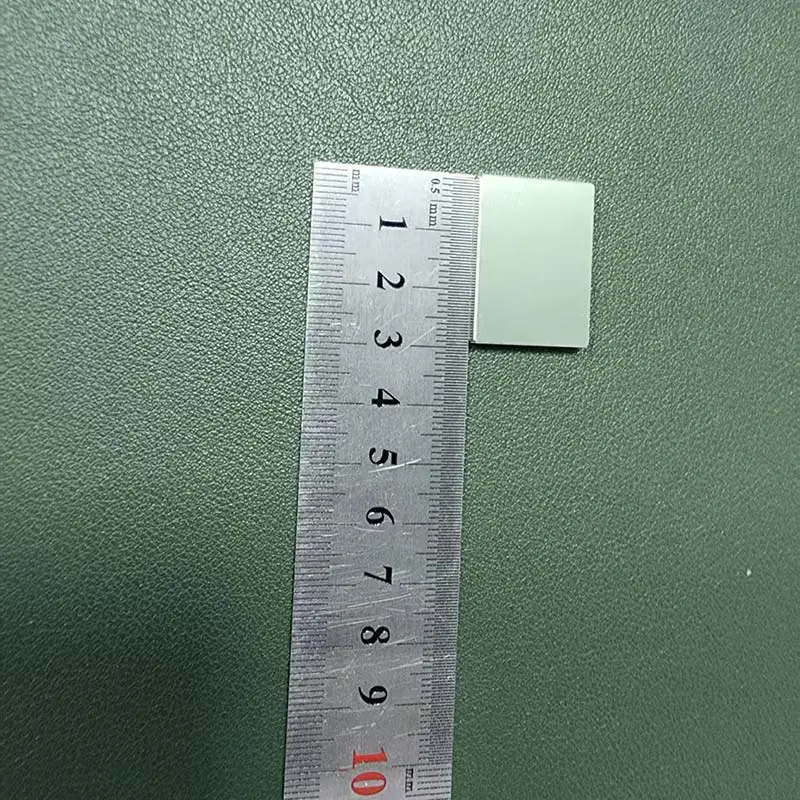
The RF Module EMI Shielding Cover is a specialized metal shielding structure designed for RF circuit boards. By creating a closed Faraday cage cavity, it contains the RF circuit's harmonic and spurious radiation internally while blocking external electromagnetic noise from penetrating sensitive circuits, thereby comprehensively ensuring the operational stability of the RF module.
- Single-Cavity Shielding Structure: A unified, integrated shielding cavity featuring a simple design and controllable costs; suitable for standard wireless modules with single functions and simple frequency bands.
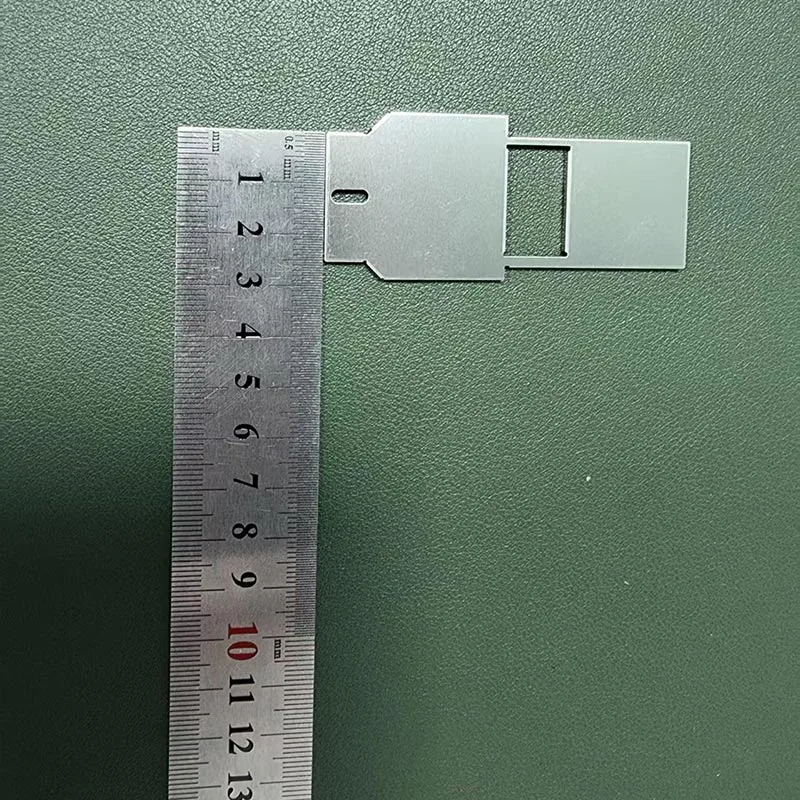
- Multi-Cavity Partitioned Shielding Structure: Features internal partitioned isolation to enable differentiated shielding for various functional circuits within the module. This completely eliminates cross-zone signal crosstalk, making it ideal for high-frequency, multi-band integrated RF modules.
RF Module EMI Shielding Covers are compatible with a full range of wireless communication modules, spanning consumer, industrial, positioning, and IoT sectors, offering both versatility and customizability:
- Short-range wireless modules: WiFi, Bluetooth, and integrated WiFi+BT combo modules
- Cellular communication modules: 4G/5G Sub-6GHz and mmWave high-frequency modules
- Low-power IoT modules: LoRa, NB-IoT, Zigbee, and other LPWAN modules
- High-precision positioning modules: GPS and GNSS satellite positioning modules
- Ultra-wideband (UWB) modules: UWB ranging and positioning RF modules
To meet the specific demands for high-frequency operation, high precision, and high stability, we employ a tiered material selection approach. Materials are precisely matched based on product frequency bands, operating conditions, and cost requirements, ensuring optimal performance without over-engineering or insufficient shielding:
Offers excellent electrical conductivity and extremely low high-frequency shielding loss, with shielding effectiveness exceeding 60–80 dB. It is perfectly suited for high-frequency RF scenarios (up to 6 GHz) and serves as a core material for high-end WiFi, 5G, and UWB modules.
Features high mechanical strength, deformation resistance, and corrosion resistance, along with outstanding structural stability. It is ideal for industrial RF equipment and outdoor communication modules that require high housing rigidity and crush resistance.
Custom-developed for ultra-high frequency applications (such as millimeter-wave), these materials utilize a proprietary composite plating process to further minimize high-frequency electromagnetic loss and meet rigorous ultra-high frequency shielding certification standards.
- Precision High-Speed Stamping: Main structural components are formed via integrated stamping, ensuring dimensional consistency and seamless construction to prevent electromagnetic leakage; suitable for high-volume automated production.
- Combined Deep-Drawing and Stamping: Employs a hybrid forming process for complex 3D cavity structures, ensuring surface flatness and structural precision; suitable for irregular RF module designs.
- Nickel Plating: Enhances surface oxidation and corrosion resistance; ensures stable electrical performance under long-term high-frequency operating conditions.
- Tin Plating: Offers excellent solder wettability; compatible with SMT reflow soldering for mass production; eliminates defects such as cold joints or de-soldering, thereby improving assembly yields.
Solder tab structures can be customized and optimized based on the customer's PCB pad layout; fully compatible with SMT reflow soldering processes and automated pick-and-place production lines, eliminating the need for manual secondary processing.
- Shielding Effectiveness: 60–100 dB, fully covering mainstream RF frequency bands from 100 MHz to 6 GHz.
- Material Thickness: Ultra-thin design (0.1 mm–0.2 mm) to meet the demand for miniaturized and lightweight RF modules.
- Machining Precision: High-precision tolerance of ±0.05 mm, compatible with high-density, fine-pitch PCB layouts.
RF Module EMI Shielding Covers support multi-dimensional customization:
- Cavity Structure: Supports customization for single-cavity, dual-cavity, and multi-cavity partitioned shielding.
- Functional Openings: Customizable cutouts for debugging, heat dissipation, and dedicated antenna feed-throughs.
- Solder Tab Specifications: Customizable width, pitch, and height to match various PCB pad standards.
The factory strictly adheres to ISO9001 and IATF16949 (automotive-grade) quality management systems. Standardized control is applied across the entire production process, ensuring full traceability from raw material intake to finished product shipment, thereby guaranteeing batch consistency and stability.
Optical inspection equipment is used to fully inspect critical dimensions, flatness, and hole position accuracy. This eliminates defects such as dimensional deviations, structural deformation, and excessive gaps, mitigating the risk of shielding failure at the manufacturing stage.
Third-party shielding effectiveness test reports can be provided based on customer-specified frequency bands. Products fully comply with global wireless certification standards such as FCC Part 15, CE-RED, ISED, and MIC, facilitating smooth mass production and global market entry. Each batch comes with a complete factory inspection report; all qualifications are fully documented and traceable.
Customers can provide PCB layouts and 2D/3D structural drawings. Our engineering team completes a professional DFM (Design for Manufacturability) review within 48 hours, covering shielding effectiveness estimation, pad matching analysis, and process optimization suggestions to proactively mitigate mass production risks.
We offer a stable 5–7 business day turnaround for prototyping both standard and complex structures. We support multiple rounds of structural iteration and optimization, facilitating rapid client-side prototype debugging, performance testing, and preliminary certification assessments.
There are no rigid minimum order quantity (MOQ) restrictions. We flexibly accommodate needs across all stages from R&D prototyping and small-batch pilot runs to full-scale mass production adjusting delivery schedules dynamically based on project timelines to ensure stable, long-term supply.
Single-cavity structures are cost-effective and suitable for simple, single-function modules. Multi-cavity partitioned structures, however, independently isolate internal functional circuits—such as PAs, LNAs, and main controllers. This effectively eliminates internal high-frequency crosstalk and significantly enhances RF signal purity, making it the preferred solution for multi-band integrated modules.
Nickel Silver (C7521/C7701) offers excellent high-frequency conductivity and low electromagnetic shielding loss, achieving shielding effectiveness exceeding 80dB. In high-frequency scenarios like WiFi and 5G Sub-6GHz, it provides far superior shielding stability compared to standard steel, effectively preventing high-frequency signal leakage and excessive spurious emissions.
All standard and custom RF shielding covers are compatible with SMT reflow soldering processes. They feature precise solder tab dimensions and high flatness, allowing for direct machine placement without issues like misalignment or cold solder joints. They are fully compatible with high-speed automated production lines, significantly boosting mass production efficiency.
We support comprehensive structural customization. We can fabricate features such as heat dissipation vents, debugging/test ports, antenna feed cutouts, and irregular notches based on client requirements. Additionally, we offer custom multi-cavity partitioning and specialized solder tab layouts to accommodate diverse non-standard RF module PCB designs.
The product is developed and manufactured in accordance with international electromagnetic compatibility (EMC) standards. Third-party frequency-band shielding test reports are available, and the product fully complies with certification requirements such as FCC Part 15, CE-RED, ISED, and MIC. It effectively resolves issues like excessive RF radiation and signal interference, helping the equipment pass certification on the first attempt.
Address
Fumin Science and Technology Park, Songgang Subdistrict, Bao'an District, Shenzhen City, Guangdong Province, China
Tel