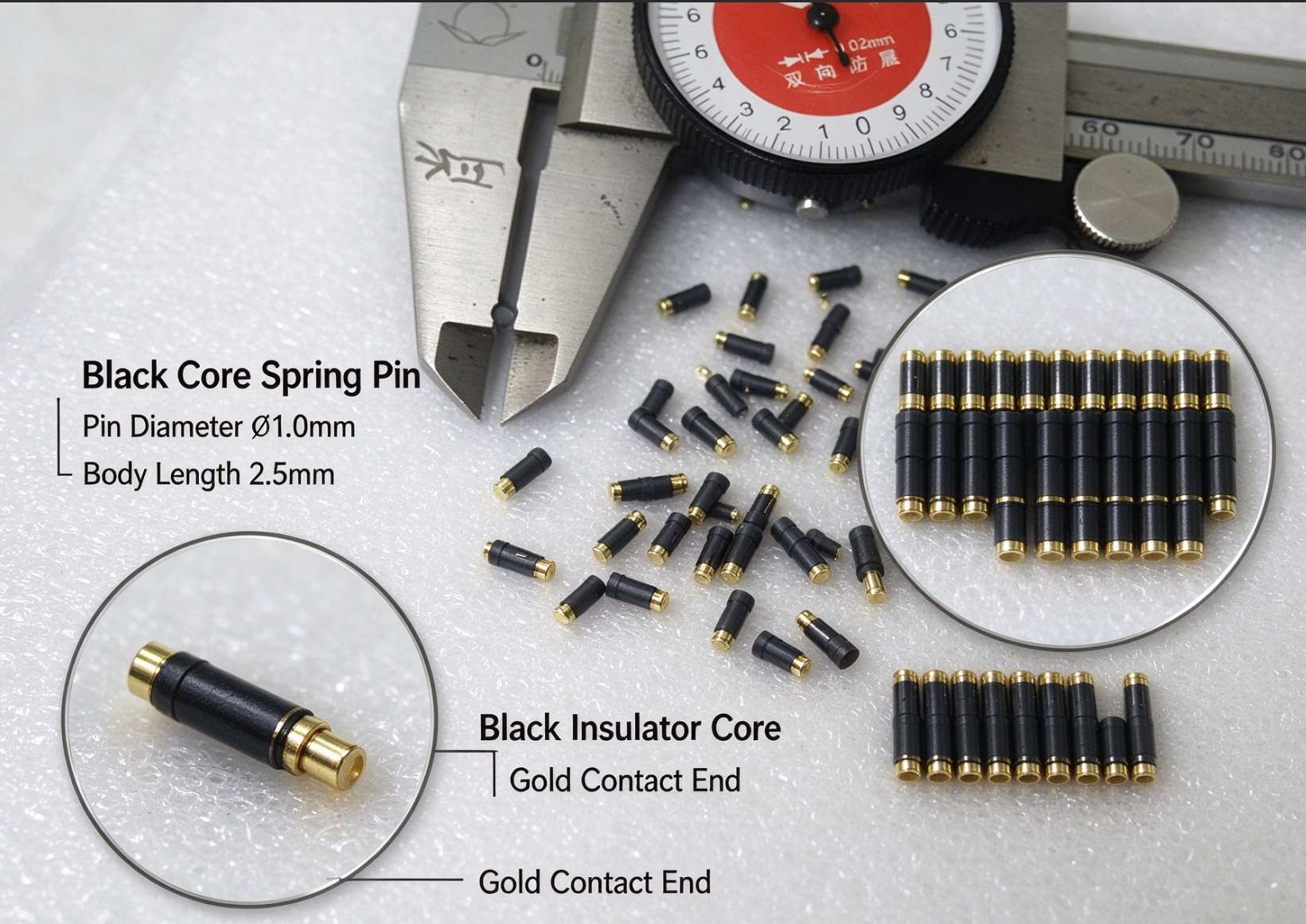
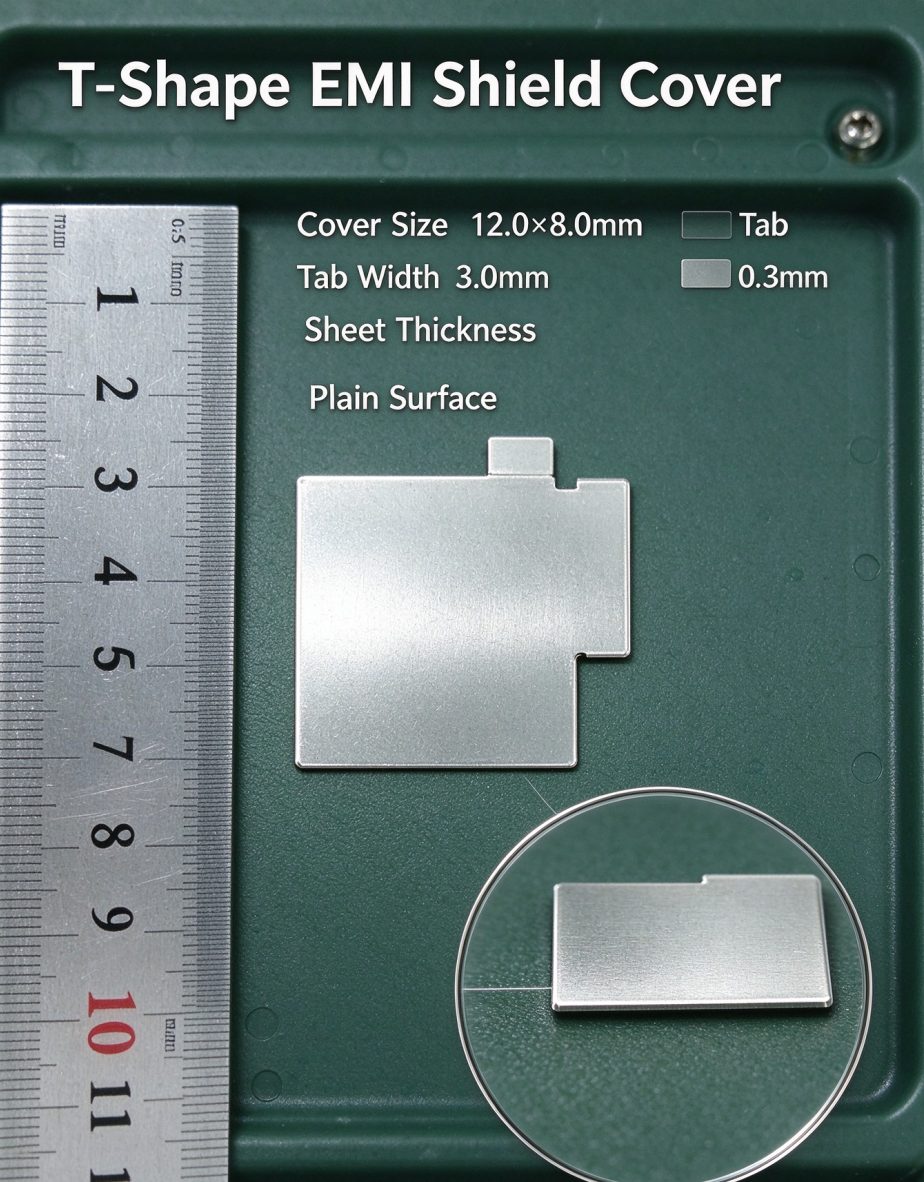
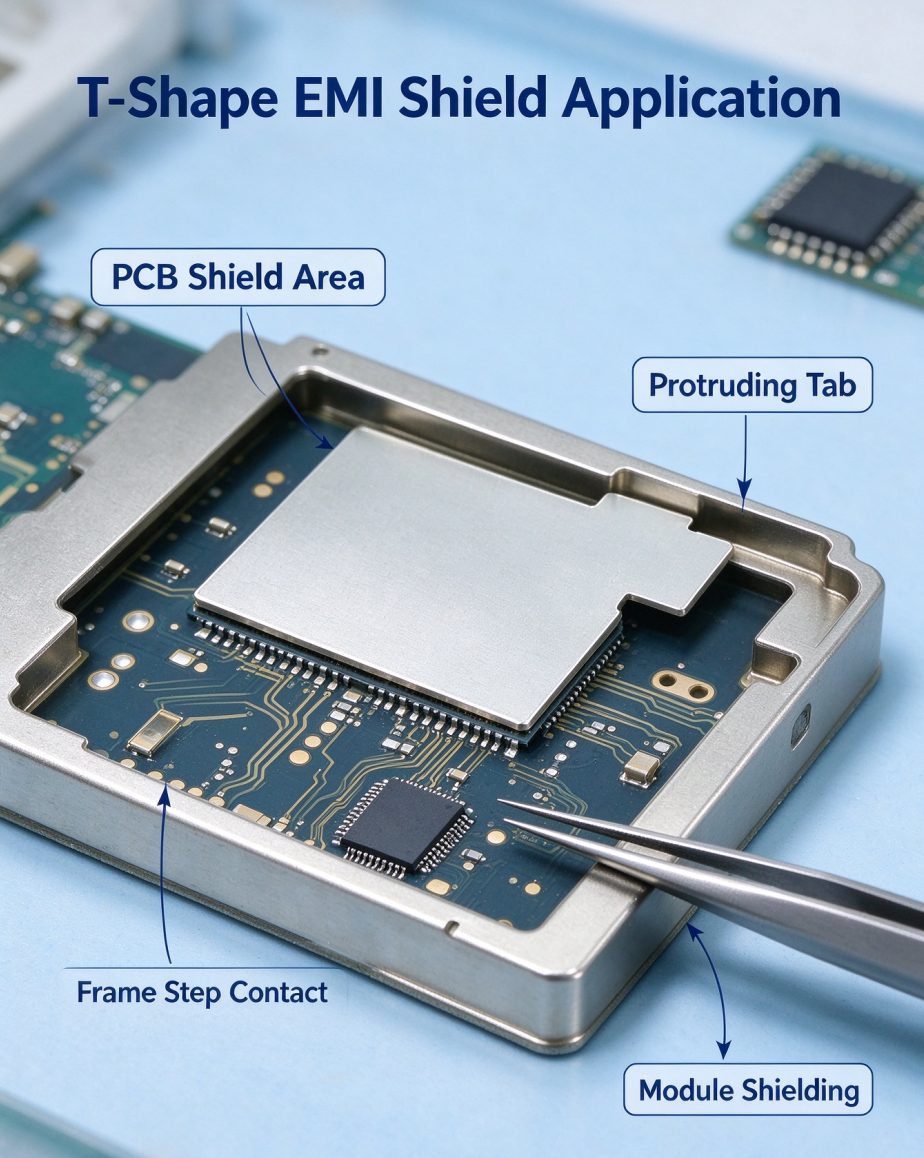
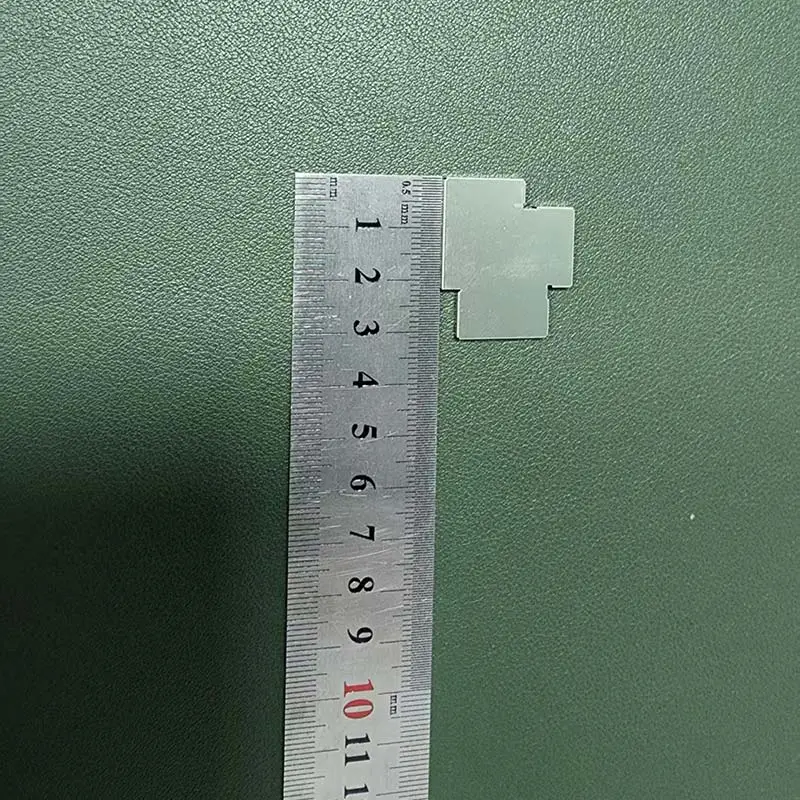
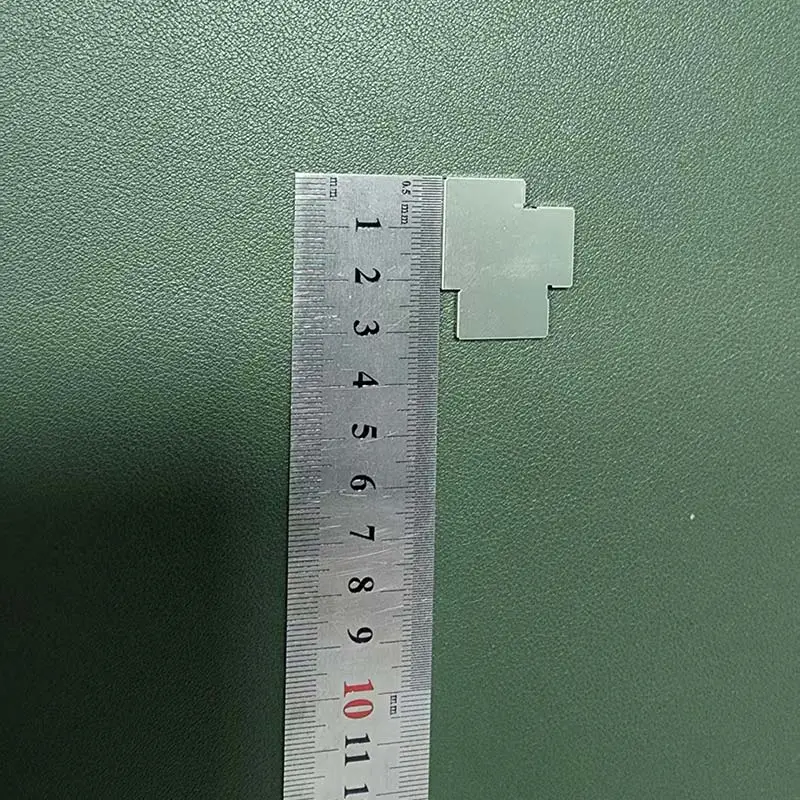
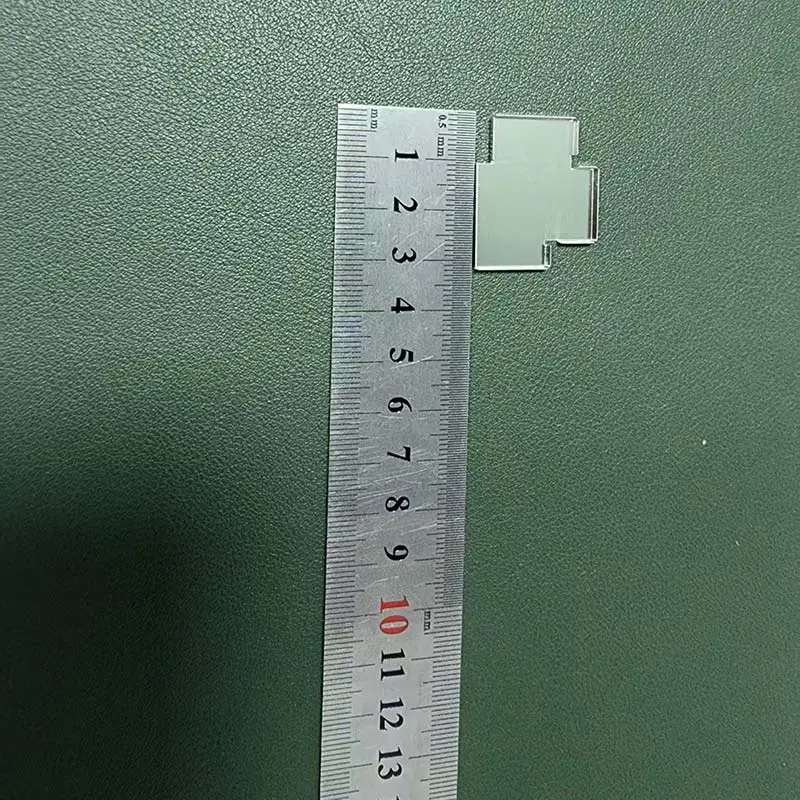
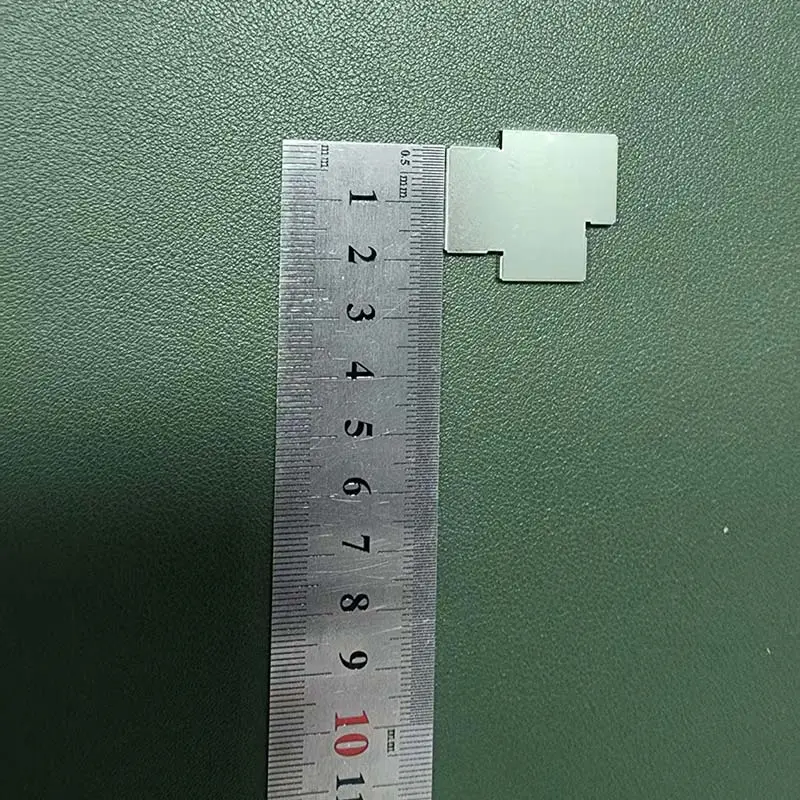
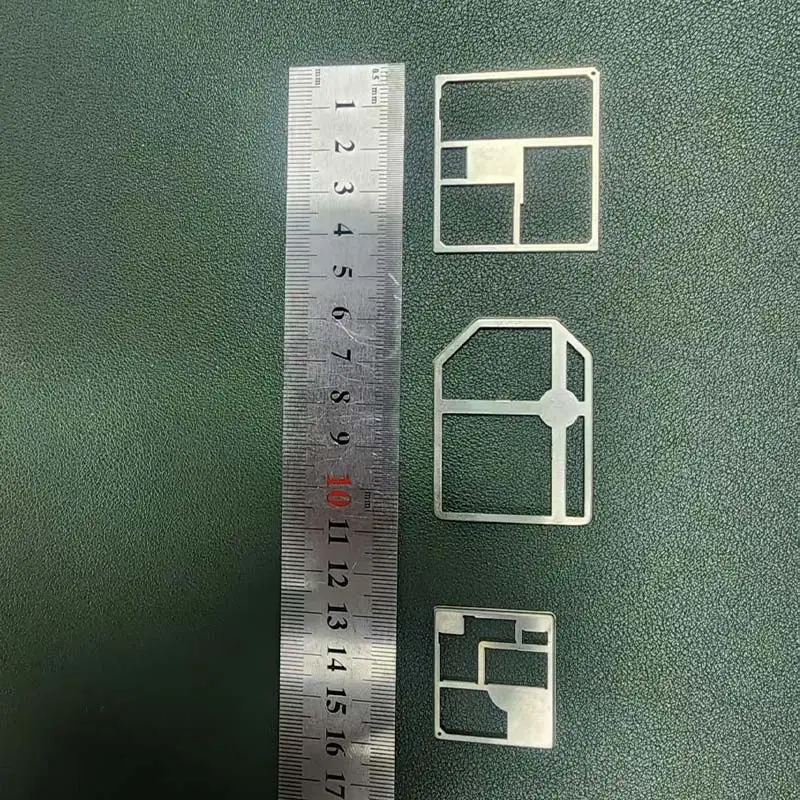
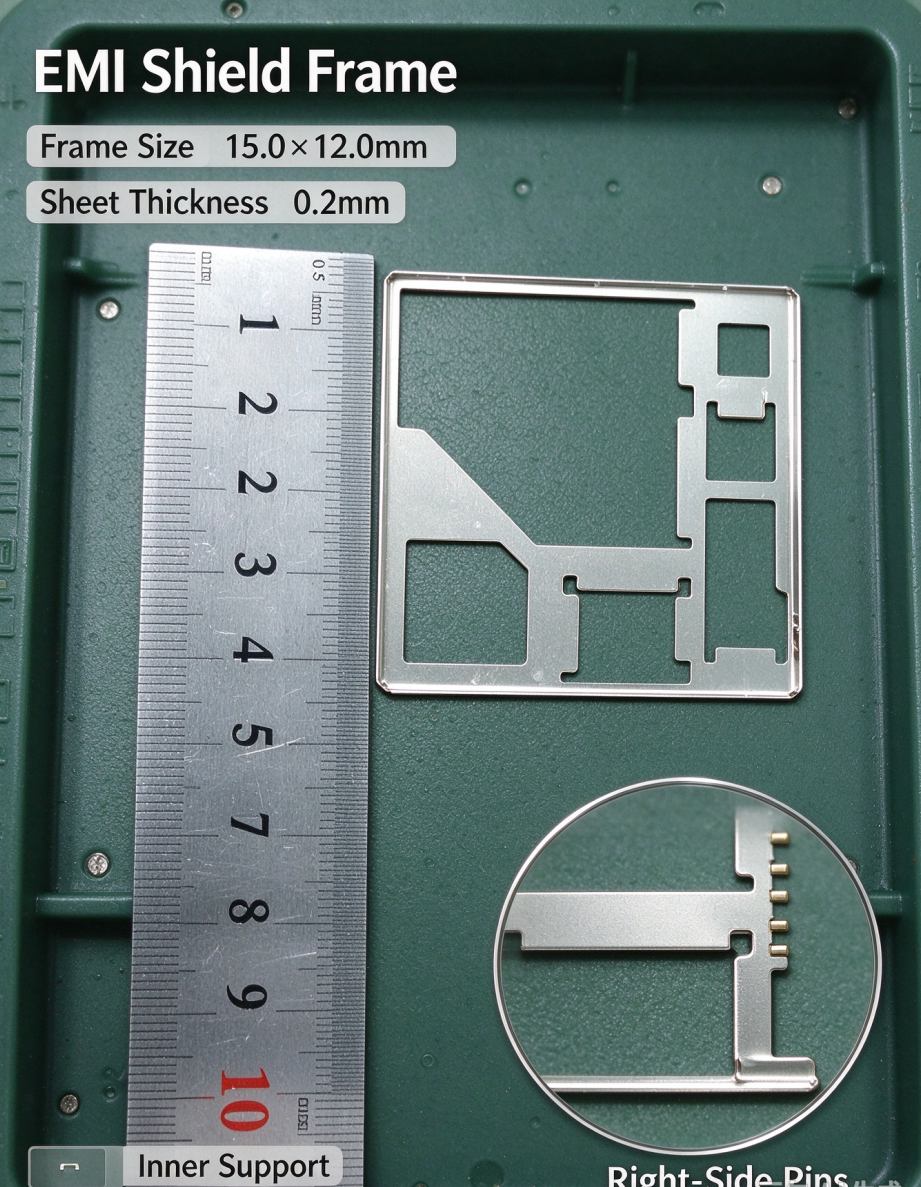
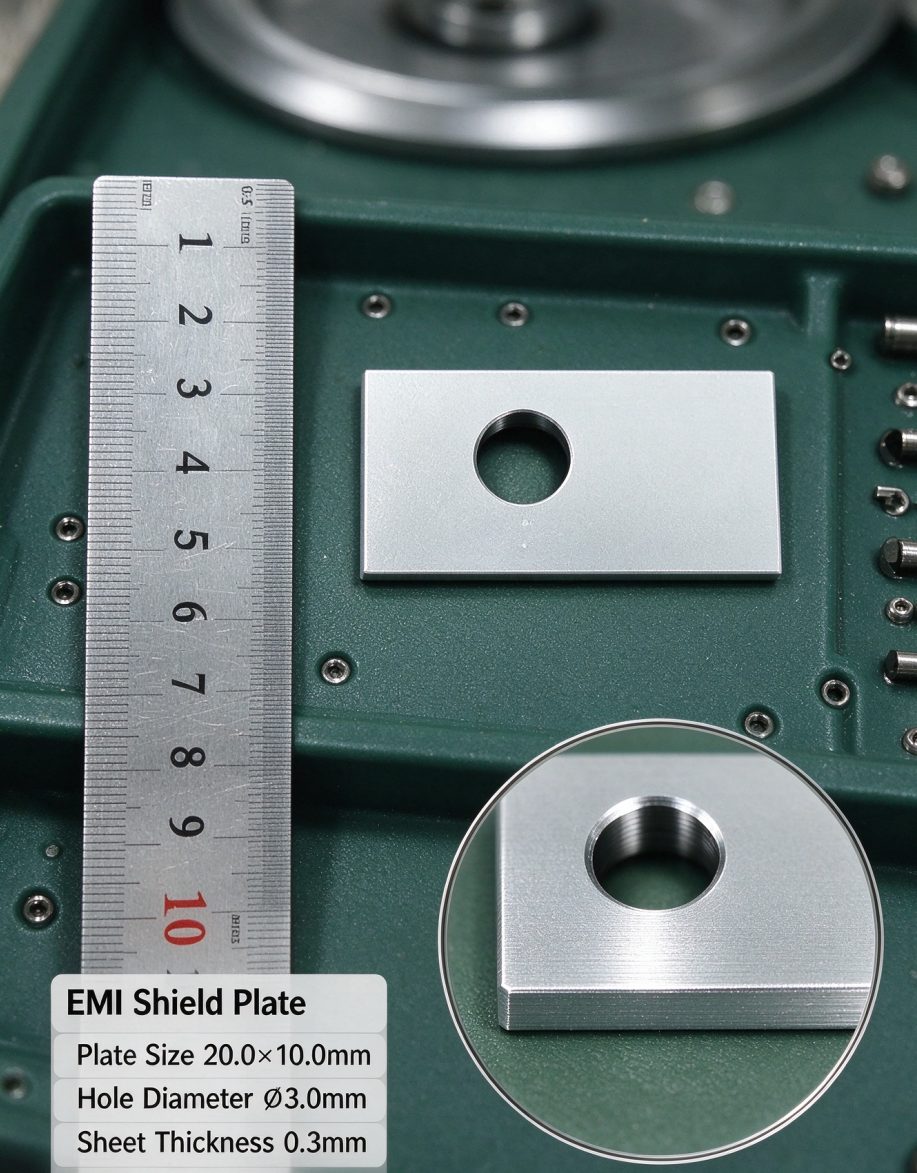
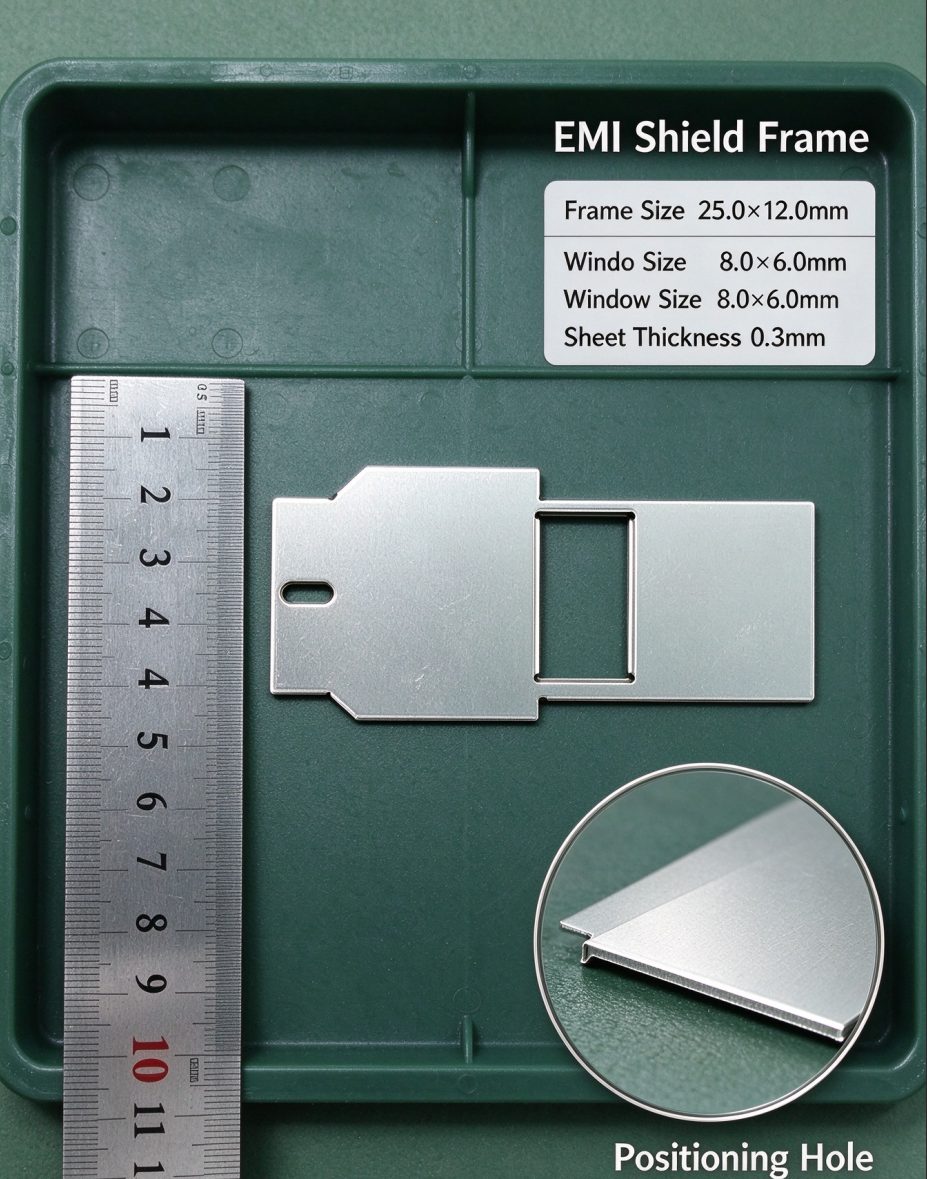
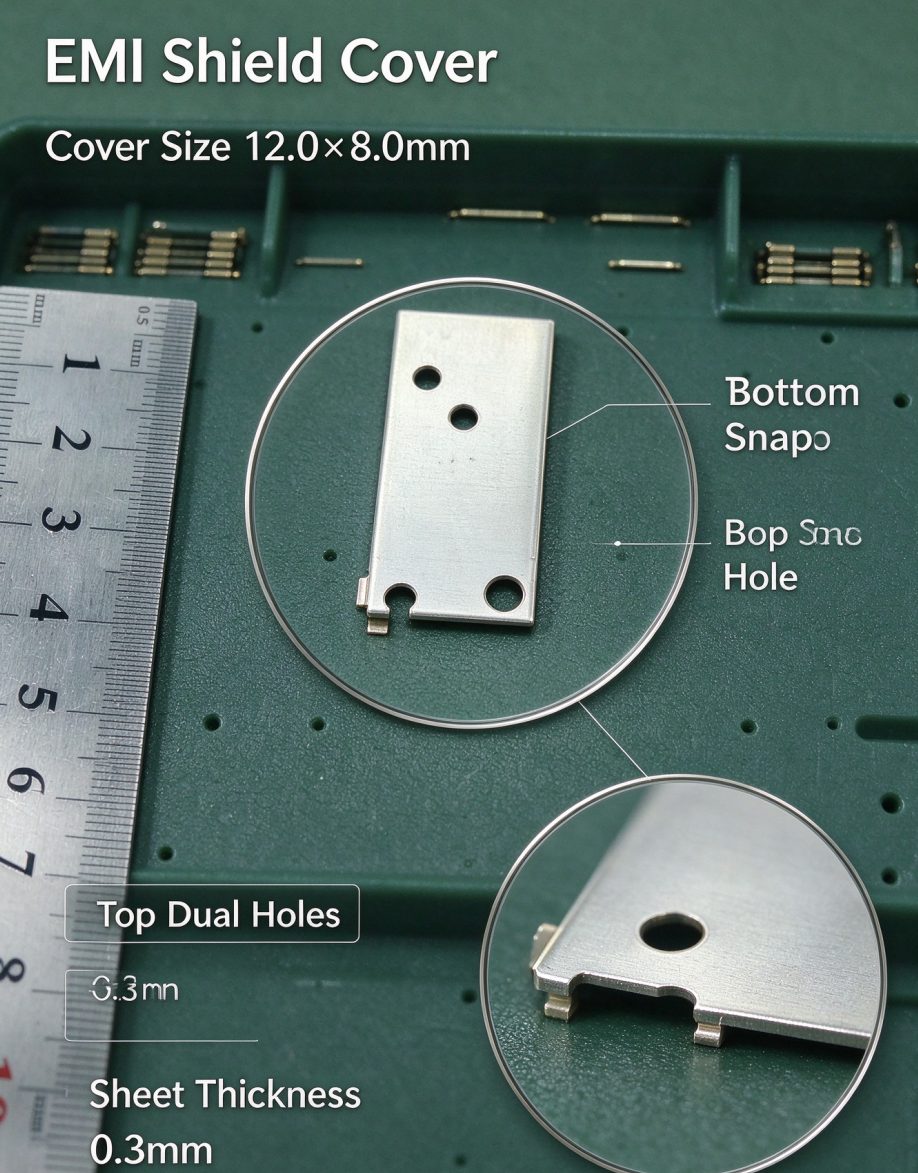
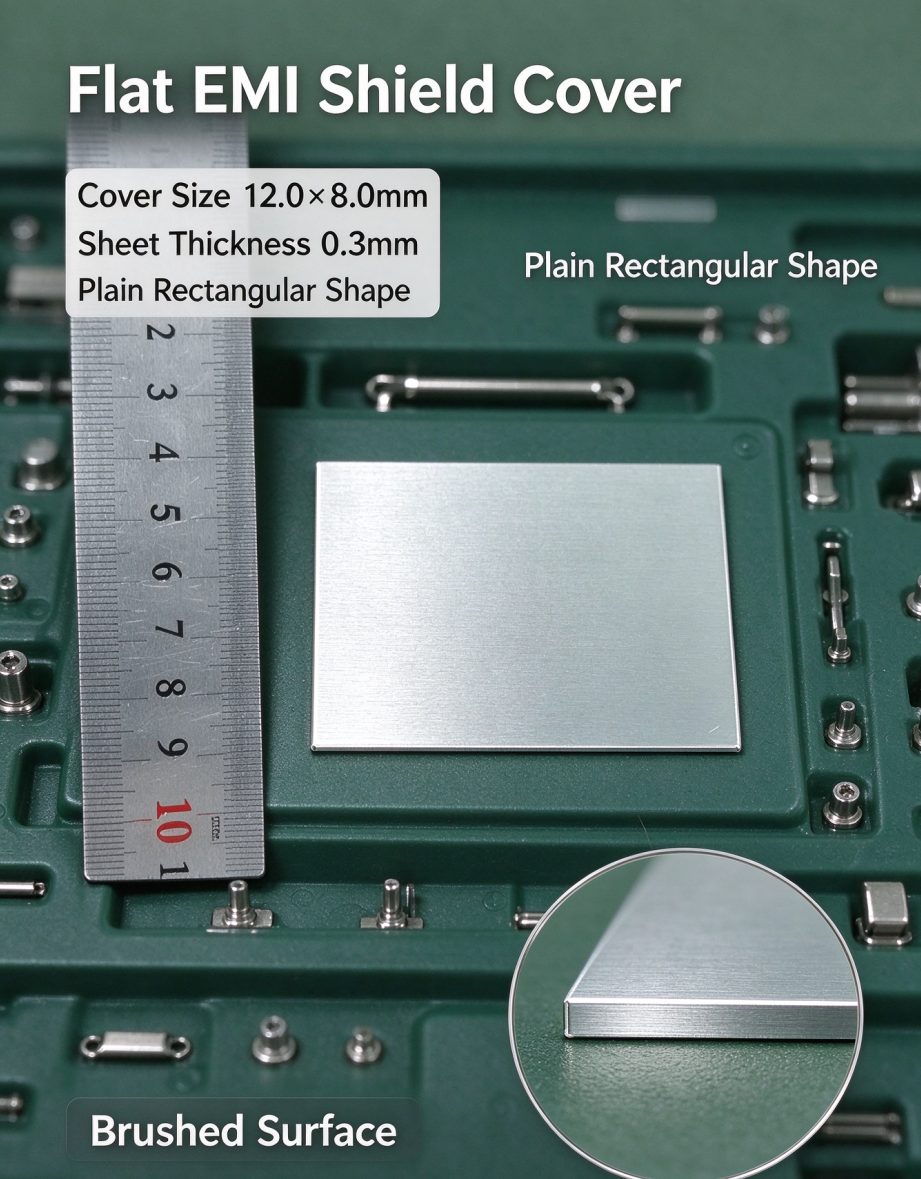
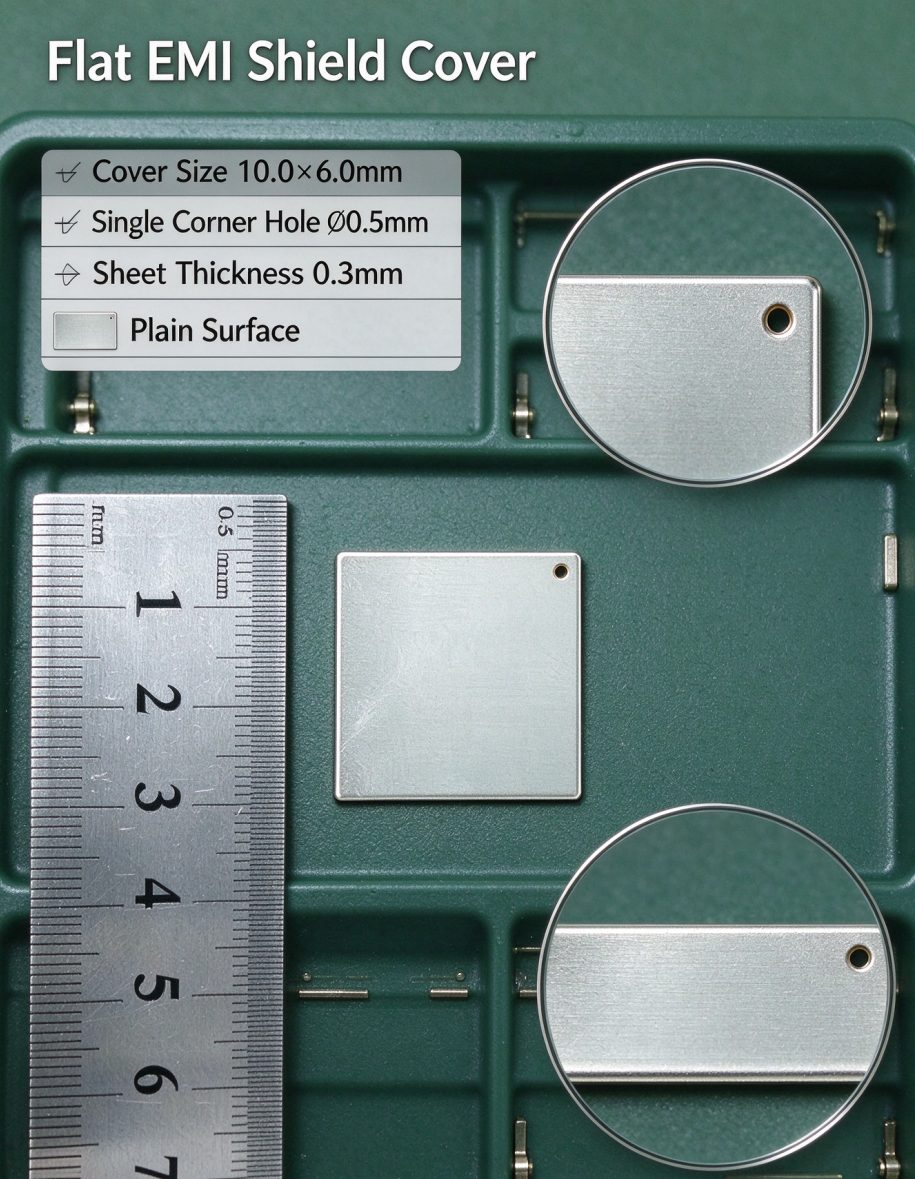
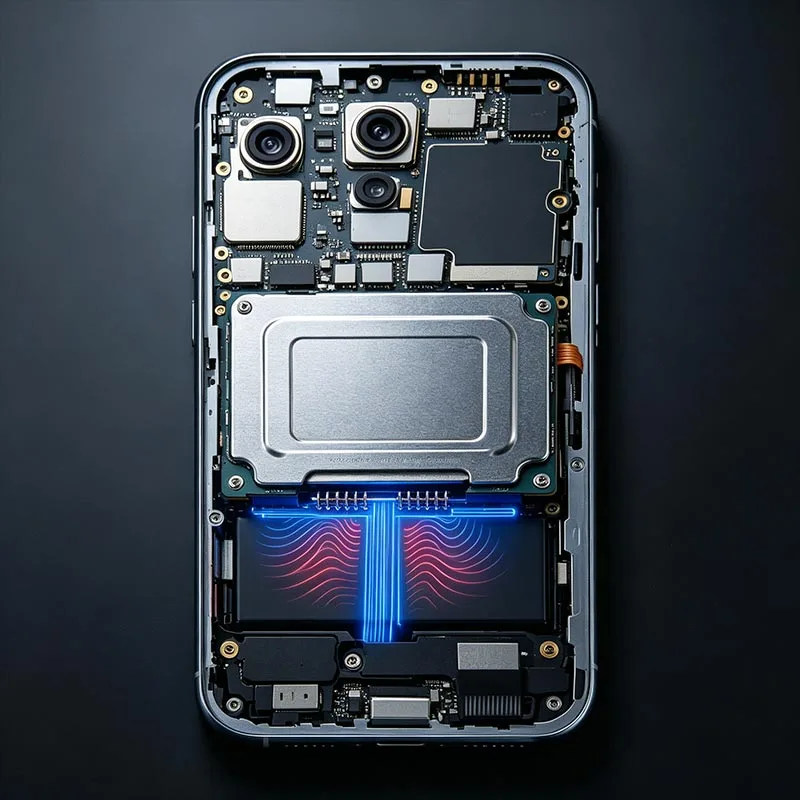
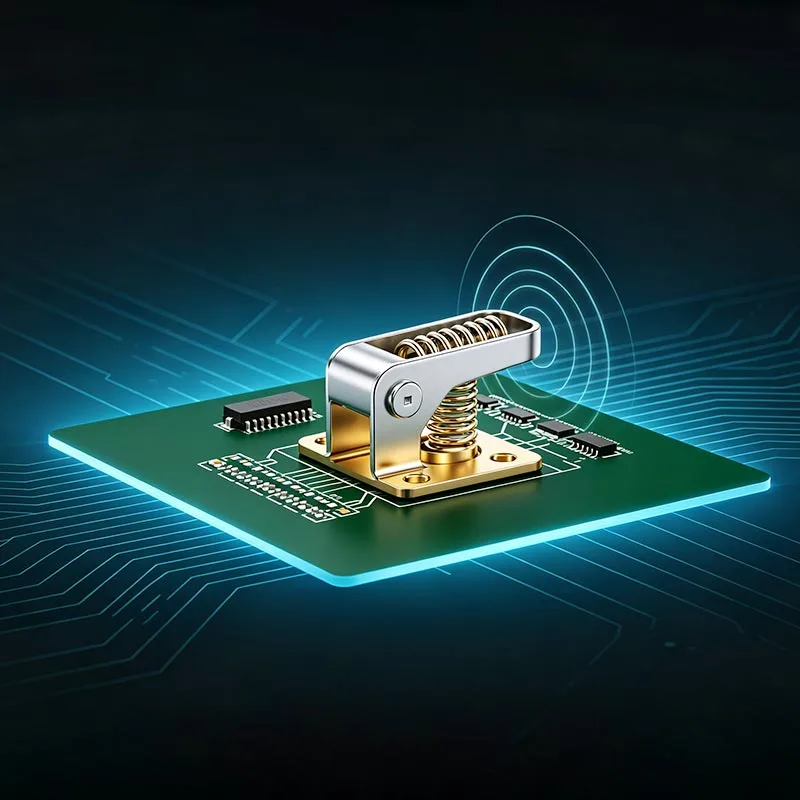
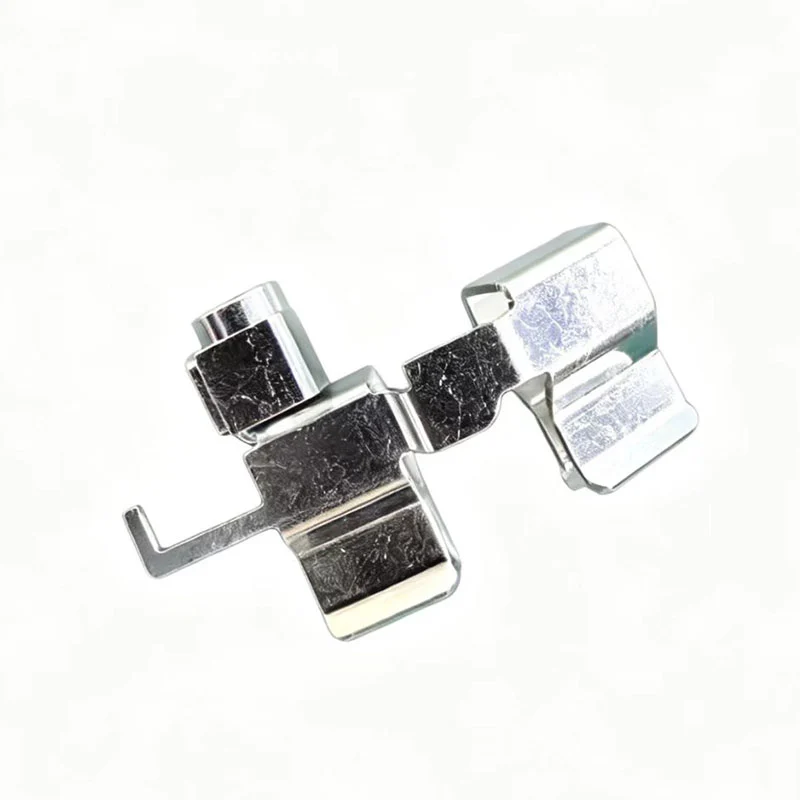
Qiyiguo Technology offers wide-band Communication Equipment EMI Shielding Cover with outdoor corrosion resistance. It complies with ETSI EN 300 386 and CISPR 32, supporting large-size customized shielding for 5G base stations and transmission devices with full reliability testing. We are a professional manufacturing factory located in China. Welcome to come and consult!
The Communication Equipment EMI Shielding Cover is custom-engineered for scenarios involving broadband interference
in communications. It balances large-scale structural stability, weather resistance (across high and low
temperatures), salt-spray corrosion resistance, and consistent shielding performance across the entire frequency
spectrum. Designed to meet the demands of all-weather deployment ranging from indoor server rooms to outdoor base
stations—it ensures the long-term, stable operation of network equipment.
Product Differentiation
Communication Equipment EMI Shielding Cover is a specialized structural component developed for broadband,
large-format, and all-weather communication deployment scenarios. Unlike standard products designed for narrow
frequency ranges or indoor use, this product excels in full-spectrum shielding consistency, structural rigidity
(resistance to deformation), and outdoor durability. It optimizes both operational stability and ease of
maintenance.
Applications Across Communication Equipment Categories
- 5G Base Station Equipment: Shielding and protection for 5G macro base station baseband processing boards, 5G small
cell main control boards, and RRUs (Remote Radio Units).
- Optical Transmission Equipment: Electromagnetic isolation and shielding for optical transmission system control
boards and signal processing boards.
- Core Network Equipment: Shielding and noise reduction for core network switches and communication gateway main
control circuits.
- Base Station Ancillary Equipment: Shielding and protection for dedicated base station power modules and power
control units.
- Private Network Communication Equipment: Shielding solutions for various industrial communication signal processing
boards and transmission modules.
Material Selection Recommendations Based on Application Scenario
1. SUS304 Stainless Steel (Primary Material for Outdoor Base Stations)
Offers excellent structural strength, vibration resistance, and resistance to salt spray and corrosion. It adapts
well to temperature fluctuations and resists rust and deformation during long-term outdoor deployment. With stable,
non-degrading shielding performance, it is ideal for harsh operating environments such as outdoor 5G base stations
and remote radio units.
2. SGCC Galvanized Steel (Preferred for Indoor Mass Production)
Features stable material properties and exceptional cost-effectiveness. It meets standard requirements for basic
shielding and oxidation resistance. Suitable for indoor equipment such as optical transmission units and core
network switches, it is an excellent choice for large-scale, standardized mass production projects.
These materials offer excellent high-frequency conductivity and extremely low shielding loss across broad frequency
bands. Specifically adapted for millimeter-wave and Sub-6GHz RF modules, they effectively suppress high-frequency
spurious radiation, ensuring RF signal purity and transmission stability.
Specialized Forming Processes
1. Precision Composite Forming Processes
- Standard Small/Medium Modules: Communication Equipment EMI Shielding Cover utilize a precision integrated stamping
process, ensuring uniform dimensions and seamless construction (preventing magnetic leakage) while facilitating
automated mass production.
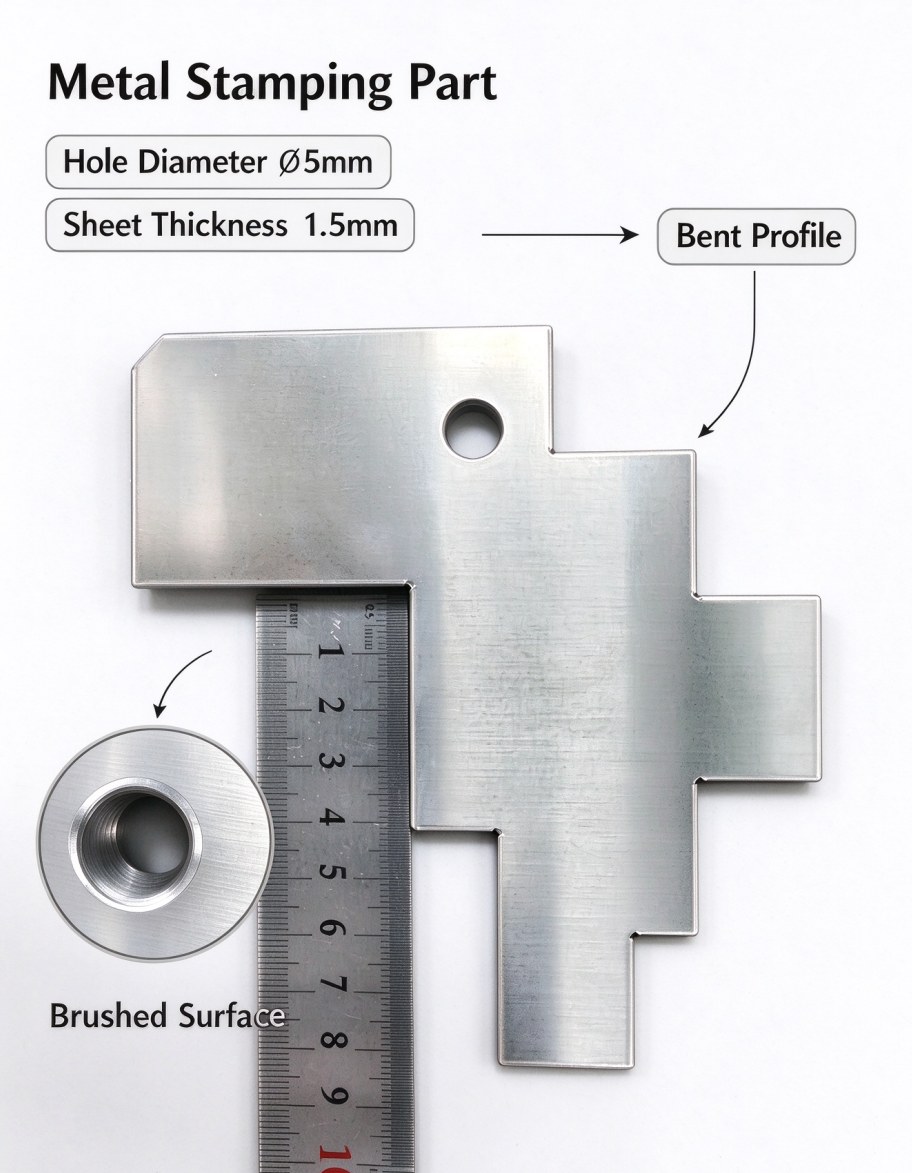
- Large-Scale Communication Shielding Structures: A composite process combining stamping, bending, and welding
addresses issues such as warping, deformation, and poor fit common with large sheet materials, thereby ensuring the
sealing integrity and structural stability of large-area shielding cavities.
2. Dual-Compatibility Mounting Processes
- SMT Reflow Soldering: Suitable for automated SMT mass production of small communication boards, ensuring secure
assembly and stable grounding.
- Screw Mounting: The standard method for large base station equipment; allows for easy assembly and disassembly,
facilitating on-site installation, troubleshooting, and maintenance.
- Snap-fit and Hybrid Mounting: Adaptable to various board structures, offering flexibility for diverse mass
production and O&M requirements.
3. Weather-Resistant Surface Treatment Systems
Supports multiple surface treatment processes, including nickel plating, zinc plating, and passivation. All processes
pass reliability tests for salt spray and damp heat, effectively enhancing oxidation and corrosion resistance to
meet the rigorous demands of continuous, long-term outdoor operation in communication equipment.
Key Technical Parameters for Wide-Band Communication-Grade Applications
Item
Specifications
Shielding Effectiveness
60–100 dB; achieves stable shielding across the full spectrum from low frequencies to millimeter waves,
with high consistency and no performance degradation across bands.
Operating Temperature Range
Industrial-grade wide range (-40°C to +85°C); suitable for extreme cold, high-temperature outdoor base
stations, and enclosed, high-heat equipment rooms.
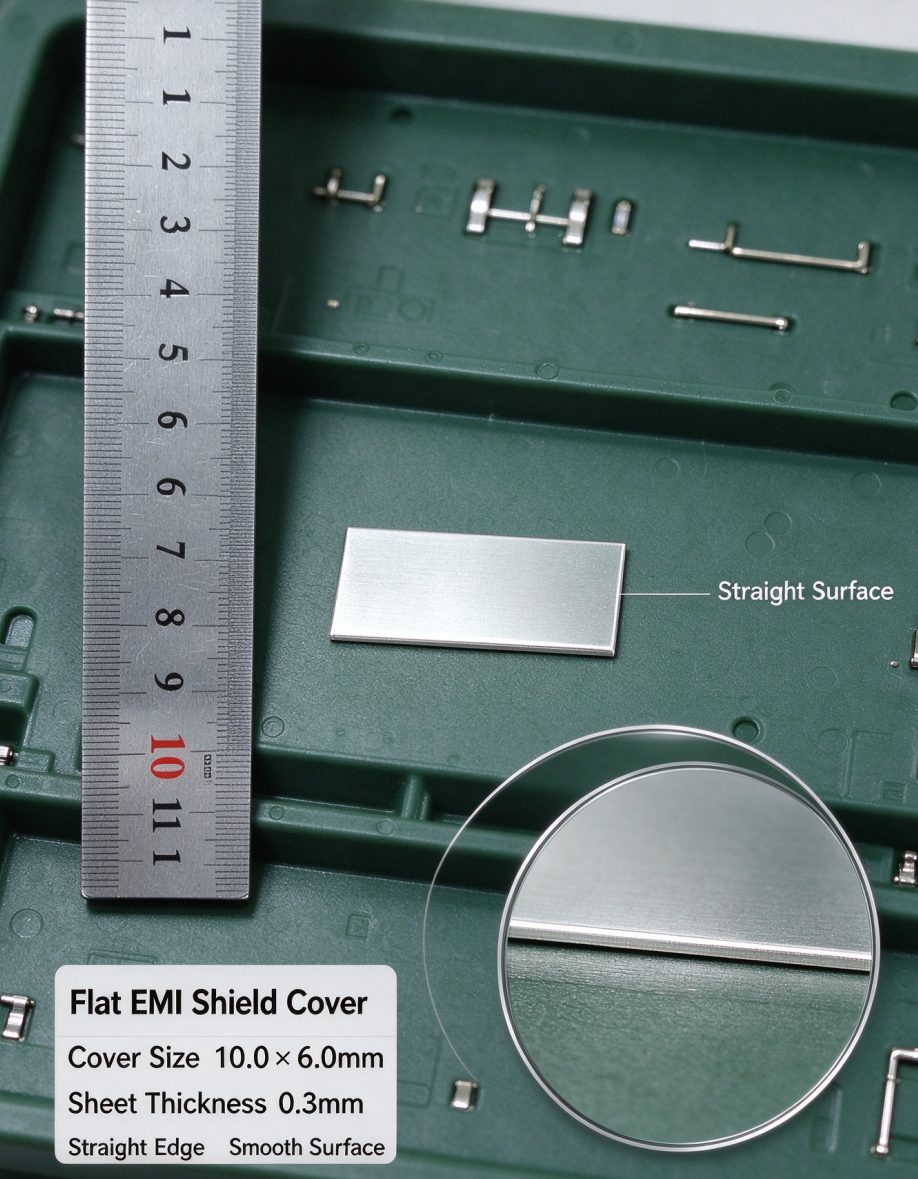
Material Thickness
Thickened specifications (0.2 mm–0.5 mm) enhance the deformation resistance of large shielding
structures, ensuring long-term structural stability.
Manufacturing Precision
±0.05 mm precision tolerance; matches high-density PCB layouts in communication equipment, ensuring a
precise fit during assembly without misalignment or magnetic leakage gaps.
Environmental Reliability
Successfully passes a full suite of communication-grade environmental tests, including temperature
cycling, high-temperature/high-humidity exposure, mechanical vibration, and salt spray corrosion.
Installation Methods
SMT reflow soldering, screw fastening, snap-fit, and hybrid mounting; versatile options adapted for mass
production and field maintenance scenarios.
Frequency Coverage
Full coverage of low, medium, and high frequencies, as well as millimeter-wave bands; meets shielding
requirements for modern multi-standard communication equipment.
Dual-System Quality Control and Certification
1. High-End Dual Quality System Management
Our factory simultaneously implements ISO9001 and IATF16949 quality management systems, ensuring standardized control
across the entire production process. Full traceability is maintained from material selection, structural forming,
and surface treatment to final product inspection, demonstrating the mass production capability to serve global Tier
1 communication vendors and OEMs.
2. Automated Precision Inspection and Control
Automated inspection equipment performs 100% checks on critical dimensions, flatness, and sealing integrity. Key
controls target mass-production defects such as warpage, deformation, and hole misalignment in large-format
products, ensuring batch consistency.
3. Dedicated EMC Compliance for Communication Equipment
The design and performance of the Communication Equipment EMI Shielding Covers fully align with communication
industry EMC standards, such as ETSI EN 300 386 and CISPR 32. Third-party shielding effectiveness test reports can
be provided for customer-specified frequency bands, facilitating first-pass industry EMC certification for the
complete device. Each batch includes a comprehensive factory inspection report, ensuring quality is verifiable and
traceable.
End-to-End Customized Services
1. Professional Preliminary DFM Technical Review
Upon receiving the client's 2D/3D structural drawings and PCB layout files, our engineering team completes a
specialized DFM (Design for Manufacturability) assessment within 48 hours. We simultaneously provide a comprehensive
solution covering wide-band shielding effectiveness estimation, structural stability optimization, and thermal
management compatibility, thereby mitigating risks associated with mass production and certification.
2. Rapid Prototyping and Iteration for Long-Cycle Projects
To accommodate the long R&D cycles and rigorous testing requirements of communication equipment, we offer an
ultra-fast prototyping service (5–10 working days). We support multiple iteration rounds for large, complex-shaped
structures and multi-specification cavities, aligning with schedules for equipment debugging, preliminary
certification testing, and small-batch pilot production.
3. Flexible, Phased Mass Production Delivery
We offer negotiable minimum order quantities (MOQs) and seamless coverage across all stages from R&D sampling and
small-batch pilot runs to pilot-scale verification and large-scale infrastructure production. Mass production lead
times are dynamically adjusted based on project scale to meet the high-volume supply demands of communication
infrastructure.
FAQ
Q1: How do your Communication Equipment EMI Shielding Cover ensure consistent shielding performance across low/high
frequencies and the millimeter-wave (mmWave) spectrum?
We optimize material composition and cavity sealing structures for wide-band communication requirements. By utilizing
high-frequency compatible materials (such as copper alloys or nickel silver) and seamless forming processes, we
eliminate issues like high-frequency attenuation and low-frequency magnetic leakage common in standard shielding
components. Our products consistently maintain 60–100 dB shielding effectiveness across the entire spectrum—from low
frequencies to mmWave—meeting the needs of multi-standard communication equipment.
Q2: Are large-sized communication shielding structures prone to deformation, potentially leading to shielding
failure?
No. To address the common issue of warping in large sheet-metal components, we employ a composite forming process
combining stamping, bending, and welding, utilizing thickened sheets (0.2–0.5 mm). We also implement comprehensive
flatness inspections to significantly enhance structural rigidity. This ensures resistance to deformation under
long-term vibration and extreme temperature fluctuations, maintaining stable cavity sealing and preventing
electromagnetic leakage.
Q3: Can shielding covers for outdoor base stations withstand harsh conditions such as salt spray and extreme
temperatures?
Yes. Outdoor models utilize SUS304 stainless steel treated with galvanization and passivation for weather resistance.
They have passed a comprehensive suite of carrier-grade reliability tests—including salt spray, temperature cycling,
high-temperature/high-humidity exposure, and vibration—and operate reliably within a temperature range of -40°C to
+85°C, making them suitable for long-term, all-weather deployment at outdoor base stations.
Q4: Why is screw-based mounting preferred for base station equipment?
Large-scale base station equipment is typically deployed outdoors and requires periodic maintenance. Screw mounting
offers easy installation and removal, ensures secure grounding, and provides strong vibration resistance; this
prevents detachment caused by prolonged exposure to outdoor vibrations while significantly reducing labor costs for
on-site maintenance and equipment upgrades.
Q5: How should materials be selected for indoor equipment rooms versus outdoor base stations?
For indoor optical transmission and switching equipment, SGCC galvanized steel is the preferred choice due to its
cost-effectiveness. For outdoor 5G macro base stations and RRU equipment, weather-resistant SUS304 stainless steel
is the optimal choice. High-frequency RF and millimeter-wave modules utilize nickel silver or copper alloys,
ensuring precise alignment with specific application requirements.
If you have customization demands or bulk procurement plans for EMI shielding components, precision metal parts and pogo pin products, please send your inquiry here. Our professional engineering and sales team will provide DFM evaluation, customized solution design and exclusive quotation within 48 hours, supporting long-term OEM and ODM cooperation.
We use cookies to offer you a better browsing experience, analyze site traffic and personalize content. By using this site, you agree to our use of cookies. Privacy Policy