E-mail
WhatsApp




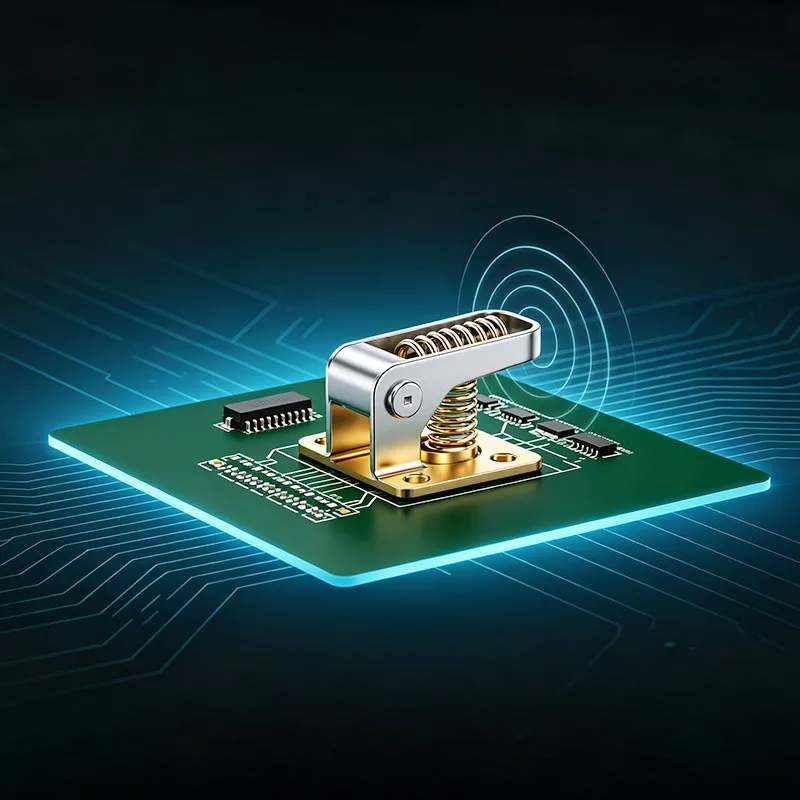
In modern electronic devices, the core principle of EMI shielding design is the creation of a complete Faraday cage: components such as shielding cans, conductive gaskets, and grounding springs work in concert to contain electromagnetic interference within the cavity or divert it to the ground plane.
However, practical engineering often presents challenges such as assembly gaps, tolerance accumulation, and surface irregularities at interfaces whether between shielding cavities and PCB ground planes, metal housings and chassis, or connector shells and ground points. Failure to reliably bridge these gaps significantly compromises shielding effectiveness and can even lead to "shielding leakage."
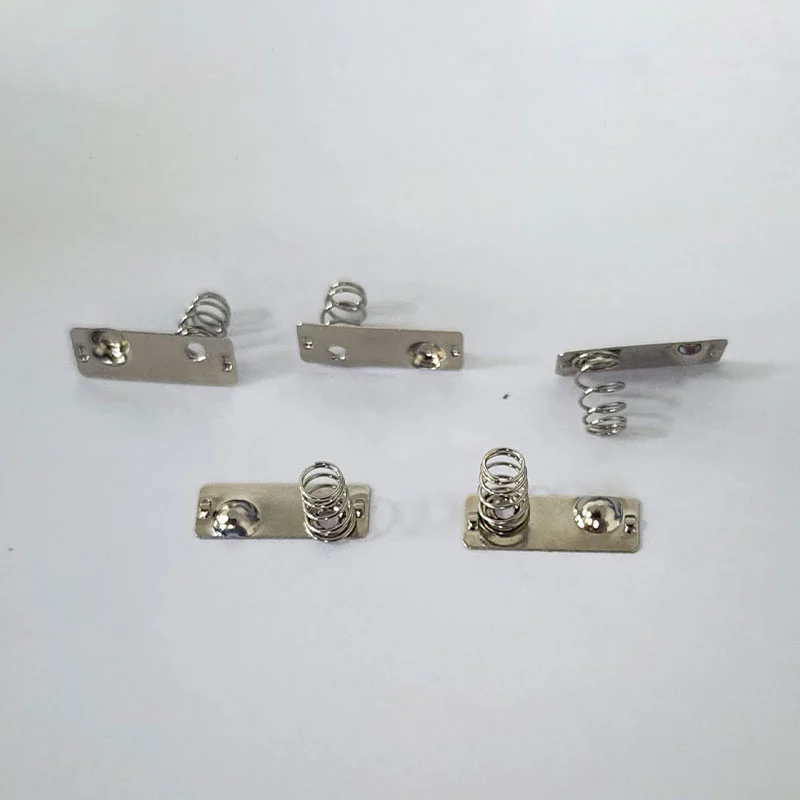
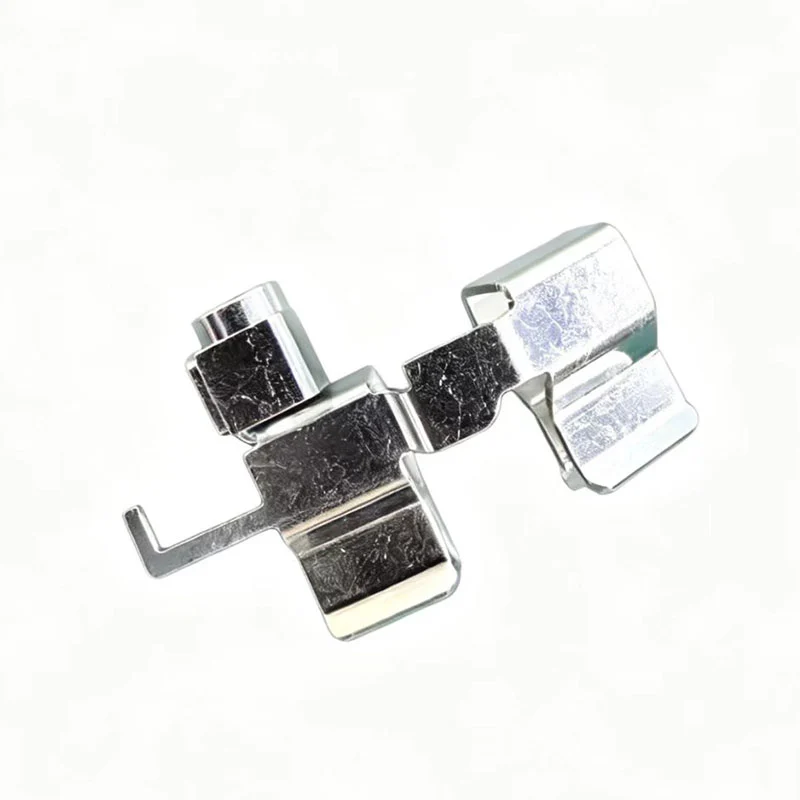
EMI conductive springs utilize elastic deformation to establish a stable, low-impedance conductive path between metal surfaces requiring electrical connection, ensuring the integrity and continuity of the shielding system. Compared to traditional conductive foam or conductive rubber, EMI conductive springs offer advantages such as controllable contact force, superior durability, excellent high-temperature resistance, and suitability for automated assembly; consequently, they are increasingly adopted in sectors such as automotive electronics, 5G communication equipment, and high-end industrial control systems.


● Automotive Electronics: ECU housing-to-PCB grounding, domain controller shielding cavity grounding, On-Board Charger (OBC) EMI shielding grounding, ADAS sensor module grounding
● 5G Communication Equipment: Base station RF module shield grounding, AAU (Active Antenna Unit) cavity grounding, optical module EMI shielding grounding
● Industrial Control & Medical Equipment: Industrial motherboard-to-metal chassis grounding, medical imaging equipment signal module shield grounding, internal EMI isolation for precision instruments
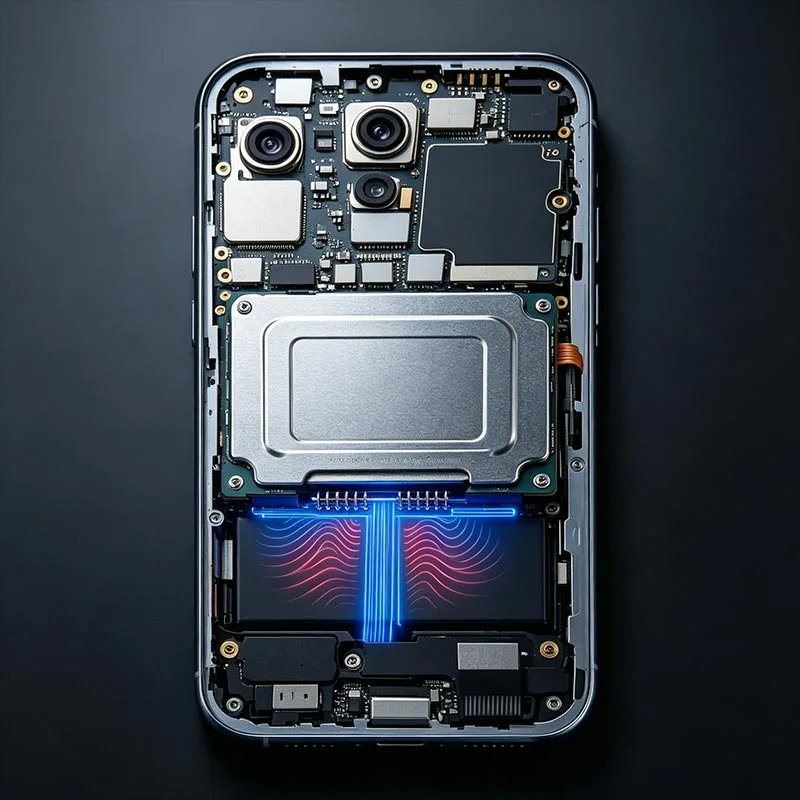
● Consumer Electronics: Laptop motherboard-to-metal C-cover grounding, tablet shield grounding, high-end router EMI shielding grounding
| Material Solution | Material Grade | Core Advantages | Typical Applications |
| Beryllium Copper | C17200 / C17300 | Excellent elasticity, high electrical conductivity, long fatigue resistance (>100,000 compression cycles) | Automotive ECU, 5G base stations, high-end industrial control |
| Phosphor Bronze | C5191 / C5210 | Good elasticity, moderate cost, excellent machinability | Industrial control equipment, communication devices, consumer electronics |
| Nickel Silver | C7521 / C7701 | Good corrosion resistance, nice silvery-white appearance | Medical equipment, consumer electronic products |
| Stainless Steel | SUS301 / SUS304 | High strength, high-temperature resistance, corrosion resistance | High-temperature environments, outdoor equipment |
| Silver-Nickel Alloy Contact | AgNi10 / AgNi15 | Ultra-low contact resistance (≤5mΩ), anti-arc erosion | Automotive and military applications requiring high reliability |
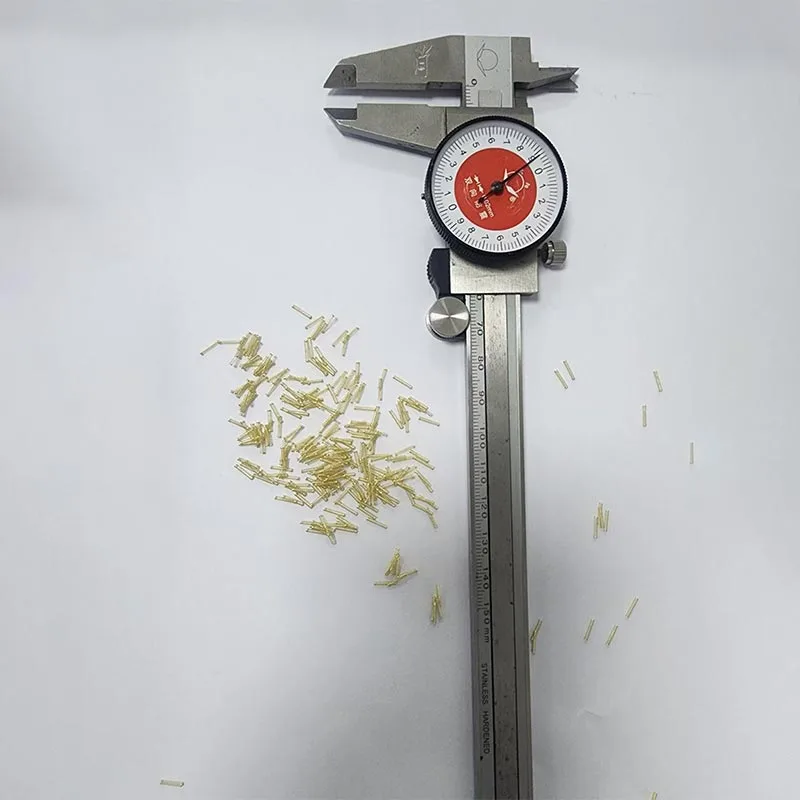
● Precision Stamping: EMI conductive springs are manufactured using high-precision progressive die stamping to ensure structural consistency and batch stability; stamping precision reaches ±0.02mm
● CNC Precision Machining: CNC milling/turning is utilized for complex, irregular spring structures to meet specific design requirements
● Surface Treatment: Supports various finishes—such as gold plating (Flash Gold/Hard Gold), silver plating, nickel plating, and tin plating—selected based on contact resistance requirements and environmental conditions
● Heat Treatment: Beryllium copper materials undergo solution and aging treatments to achieve optimal hardness and elasticity
● Contact Resistance: ≤20mΩ (≤5mΩ achievable with gold/silver plating)
● Contact Force Range: 0.3N – 5N (customizable based on spring structure and travel)
● Travel Range: 0.3mm – 5.0mm
● Material Thickness: 0.1mm – 0.5mm
● Stamping Precision: ±0.02mm
● Fatigue Life: ≥50,000 compression cycles (≥100,000 cycles for beryllium copper)
● Operating Temperature Range: -40°C ~ +125°C (up to +300°C for stainless steel)
● Shielding effectiveness contribution: When used with a shielding cover, system-level shielding effectiveness can reach 60 dB–100 dB (depending on frequency and system design).
● Soldering methods: Supports SMT reflow soldering, wave soldering, and manual soldering.
Qiyiguo Technology holds both ISO 9001 and IATF 16949 certifications and possesses comprehensive quality management capabilities to serve global Tier 1 and OEM customers.
● APQP/PPAP: Supports full-level PPAP documentation submission, covering design records, process flow charts, DFMEA/PFMEA, control plans, MSA study reports, dimensional reports, material certificates, initial process capability studies, etc.
● SPC: Implements Statistical Process Control for critical processes (stamping, heat treatment, plating) to ensure Cpk ≥ 1.33.
● FMEA: Systematically implements DFMEA and PFMEA during the product development phase to prevent potential failures at the design source.
● Inspection Capabilities: Equipped with precision inspection equipment such as optical projectors, CMMs, contact resistance testers, spring force testers, hardness testers, salt spray chambers, etc.
● Product Compliance: Supports RoHS and REACH compliance; material certifications and third-party test reports are available.
● Traceability: Complete production and inspection records are established for every batch of EMI conductive springs, ensuring full traceability from raw materials to finished products.
We provide end-to-end customization services, from design review to mass production delivery:
● Design Support: Customers can provide drawings or functional requirements (contact force, travel, contact resistance, etc.); our engineering team completes DFM assessments within 48 hours, covering spring structure optimization, material selection advice, surface treatment recommendations, assembly tolerance analysis, etc.
● Rapid Prototyping: Prototyping lead times are 3–5 working days for simple structures and 5–7 working days for complex structures; supports small-batch validation.
● Mass Production Delivery: Supports various packaging options—tape-and-reel (compatible with SMT automated lines), bulk, and tube packaging—to meet diverse customer assembly requirements.
● Delivery Models: Supports VMI (Vendor Managed Inventory) and JIT (Just-In-Time) delivery to align with customer lean manufacturing needs.
● Minimum Order Quantity (MOQ): Flexible negotiation; supports a smooth transition from prototype validation to high-volume mass production.
A1: EMI conductive springs offer higher temperature resistance (-40°C to +125°C vs. foam's limited range), longer fatigue life (≥50,000 cycles), and no aging-induced collapse. They maintain stable contact force over time, whereas foam tends to lose elasticity and degrade under compression or thermal cycling.
A2: Selection depends on your operating environment. Beryllium copper (C17200) offers the best elasticity and fatigue life for automotive/5G applications. Phosphor bronze (C5191) balances performance and cost for industrial use. Stainless steel (SUS301) is recommended for high-temperature environments up to +300°C. Our engineering team provides free material consultation based on your specific requirements.
A3: For customer-provided drawings, our DFM assessment is completed within 48 hours. Prototype lead time is 3–5 working days for simple structures and 5–7 working days for complex designs. Small-batch validation samples are also supported.
A4: Yes. We support tape-and-reel packaging compatible with high-speed pick-and-place machines. Our precision stamping (tolerance ±0.02mm) and stable flat-base design prevent common issues like component misalignment or "flying" during reflow soldering.
A5: Standard contact resistance is ≤20mΩ. With gold or silver plating, this can be reduced to ≤5mΩ for high-frequency or precision applications. All values are verified using our in-house contact resistance testers.
A6: Yes. We hold IATF 16949 certification and support full-level PPAP submission, including design records, process flow charts, DFMEA/PFMEA, control plans, MSA studies, dimensional reports, material certificates, and initial process capability studies (Cpk ≥ 1.33).
Address
Fumin Science and Technology Park, Songgang Subdistrict, Bao'an District, Shenzhen City, Guangdong Province, China
Tel