E-mail
WhatsApp



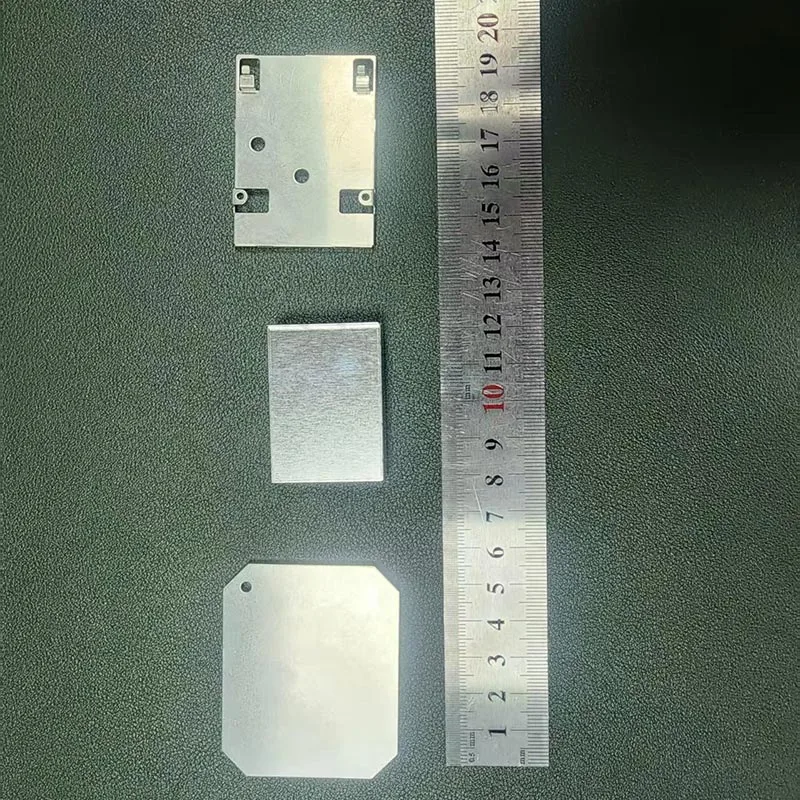
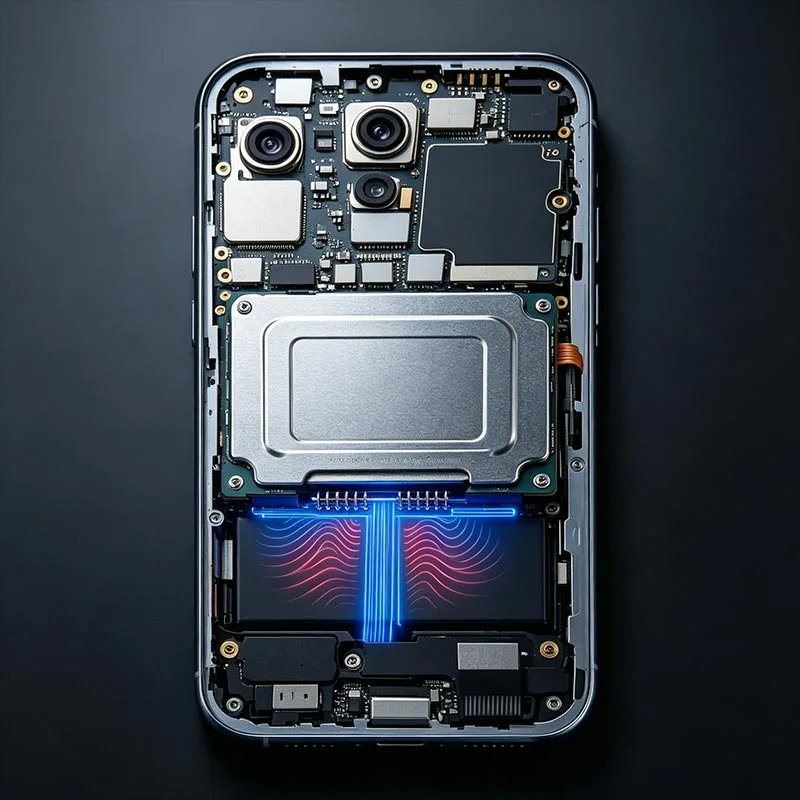
The mobile phone mainboard EMI shielding cover is a critical electromagnetic shielding component for smartphone PCBs, specifically engineered to address EMI issues in high-density integrated mainboards.
As smartphone mainboard integration levels rise characterized by the dense arrangement of baseband, RF, power management, and memory chips, alongside the coexistence of 5G mmWave and Sub-6GHz signals issues such as signal crosstalk, power noise radiation, and external EMI intrusion frequently arise. These problems directly impact call quality, network stability, and EMC certification success rates.
Qiyiguo Technology's self-developed, mass-produced EMI shielding covers utilize precision metal forming and tiered material selection to create a stable Faraday cage structure. Balancing broadband electromagnetic isolation with a slim, lightweight design, these covers are essential components for the compliant mass production and performance enhancement of consumer electronic devices.


A complete Faraday cage shielding cavity is formed using a conductive metal housing. This structure contains EMI noise generated by chip operations while blocking interference from complex external electromagnetic environments. This bidirectional protection ensures the stable operation of various functional modules on the mainboard at the hardware level.
- Baseband chip area shielding: Prevents baseband signal interference from noise, ensuring stable calls and basic network connectivity.
- RF Front-End Module (FEM) shielding: Isolates high-frequency RF signals to prevent leakage, attenuation, and crosstalk.
- Power Management Unit (PMU) shielding: Suppresses power noise radiation and prevents voltage fluctuations from interfering with nearby precision circuits.
- WiFi/Bluetooth module shielding: Ensures signal purity for wireless transmission and improves short-range communication stability.
- Multi-band antenna isolation: Mitigates signal interference between multiple antennas, enhancing the device's overall signal reception and transmission performance.
Smartphone mainboards feature extremely compact layouts with concentrated high-frequency modules. Conventional shielding structures often fail to provide precise isolation, leading to inter-module signal interference. This results in issues such as network lag, background noise during calls, and abnormal power consumption. This shielding cover employs targeted zonal shielding to precisely block internal signal crosstalk and noise radiation.
The coexistence of dual frequency bands in 5G devices significantly raises requirements for shielding bandwidth and precision; standard shielding components often fail to meet full-band isolation needs, frequently leading to EMC test failures.
This product supports both mmWave and Sub-6GHz dual-band environments, providing stable wide-band shielding that helps devices pass electromagnetic compatibility (EMC) testing on the first attempt.
As terminal devices evolve toward ultra-thin and lightweight designs, traditional thick shielding structures add bulk and weight, conflicting with product design requirements.
The Mobile Phone Mainboard EMI Shielding Cover utilizes ultra-thin, precision-engineered sheet metal (0.1–0.3 mm), accommodating slim device architectures without compromising shielding effectiveness.
We have established a differentiated material selection strategy based on the shielding requirements, cost budgets, and operating environments of various mobile phone functional modules:
Offers excellent conductivity and shielding effectiveness exceeding 60–80 dB, with outstanding high-frequency performance. It is specifically suited for high-frequency precision modules—such as 5G RF, Wi-Fi, and Bluetooth—making it the premier choice for shielding critical areas in high-end smartphones.
Features high structural strength, excellent corrosion resistance, and resistance to deformation. It provides superior structural support, making it ideal for peripheral motherboard areas that require rigidity and deformation resistance, effectively withstanding minor compression or distortion during manufacturing, assembly, and daily use.
Offers significant cost-performance advantages and stable basic shielding capabilities. It is suitable for mid-to-low-end consumer electronics and standard functional module shielding, making it an ideal choice for high-volume, cost-controlled mass production projects.
The mobile phone mainboard EMI shielding cover utilizes precision high-speed stamping as its core forming process, complemented by laser welding and reflow soldering. This results in high-precision, seamless, one-piece construction that prevents electromagnetic leakage caused by structural gaps, making it ideal for high-density PCB layouts.
- Nickel Plating: Improves surface oxidation resistance and enhances soldering stability; suitable for standard SMT mass production.
- Tin Plating: Offers excellent solderability and minimizes cold solder joints; ideal for high-volume reflow soldering production.
- Passivation & Conductive Oxidation: Enhances corrosion resistance, ensuring long-term stability in conductivity and shielding performance.
- Shielding Effectiveness: 60–100 dB; customizable based on frequency bands and materials to meet shielding requirements across all frequency ranges.
- Material Thickness: Ultra-thin specifications (0.1 mm–0.3 mm) to accommodate ultra-slim mobile phone designs.
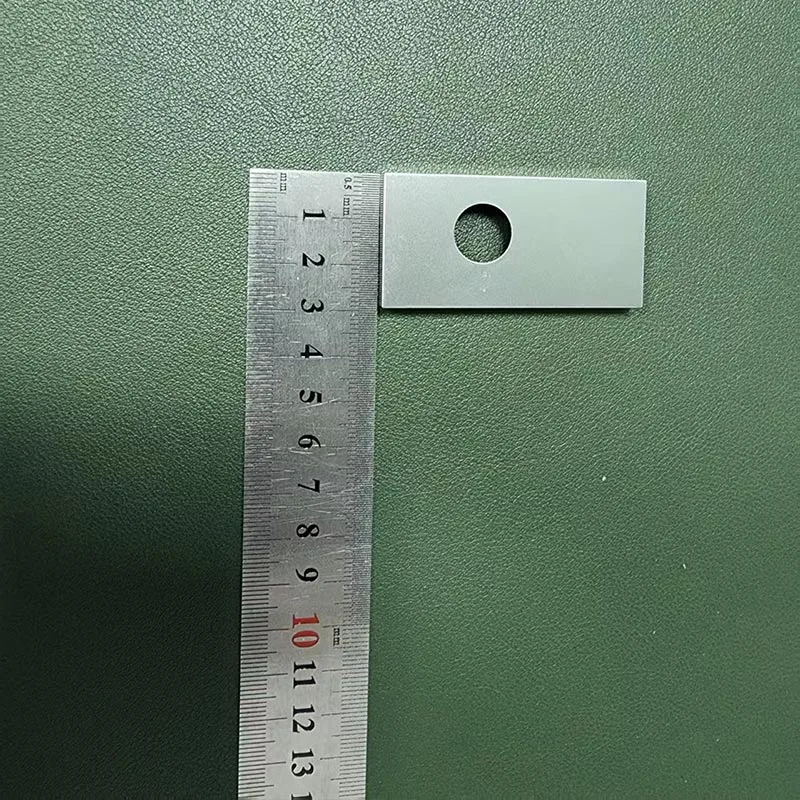
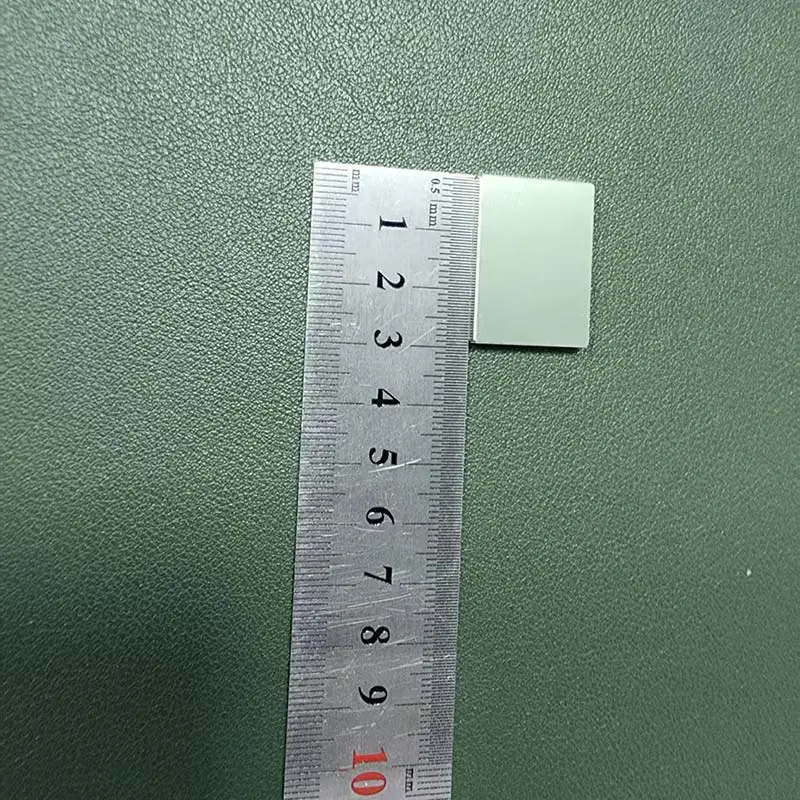
- Machining Precision: Dimensional tolerance of ±0.05 mm, compatible with high-density, fine-pitch PCB layouts.
- Soldering Compatibility: Supports three mainstream processes—SMT reflow soldering, manual soldering, and laser welding—and is compatible with fully automated production lines.
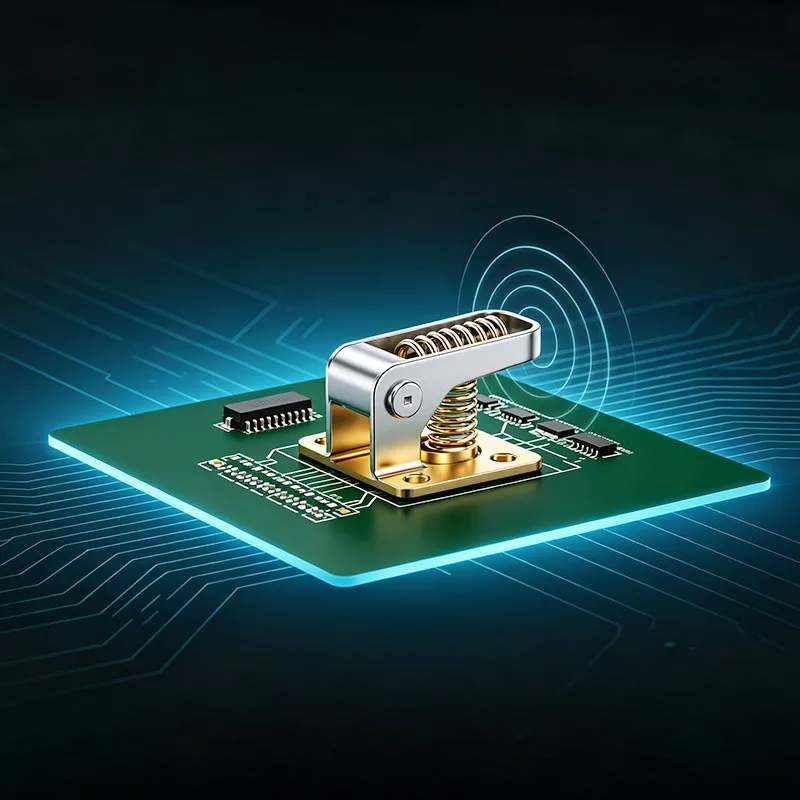
- Structural Customization: Capable of producing complex structures such as irregular profiles, positioning holes, heat dissipation vents, and spring clips to meet diverse custom mainboard designs.
Our factory operates under both ISO9001 and IATF16949 (automotive-grade) quality management systems. Standardized control across the entire production process ensures product consistency, stability, and full traceability.
Key stamping, forming, and surface treatment stages are equipped with optical inspection equipment to perform 100% dimensional checks. This eliminates issues such as dimensional deviations, deformation, and plating defects, ensuring strict control over mass production yields.
We provide third-party laboratory test reports on shielding effectiveness. Our products fully comply with international EMC standards—such as FCC Part 15, CE-RED, and CISPR 32—facilitating smooth export to global markets. Each batch comes with a comprehensive factory inspection report, ensuring clear traceability and controllable compliance.
Based on provided 2D/3D drawings or structural and performance requirements, our engineering team completes a Design for Manufacturability (DFM) review within 48 hours. We offer optimization solutions addressing structural flaws, material selection, and process compatibility to minimize mass production risks.
Standard structural prototypes are produced within a 5–7 working day turnaround. We support custom prototyping for irregular shapes and complex, ultra-thin structures, rapidly facilitating client needs for prototype debugging, performance testing, and preliminary certification assessments.
We support a seamless transition from small-batch pilot runs to full-scale mass production. With negotiable Minimum Order Quantities (MOQs), we cater to every stage of the client's lifecycle—from R&D iteration and pilot validation to stable mass production—and can dynamically adjust delivery schedules based on order volume.
A1: A shielding cover is a one-piece metal housing that forms a complete Faraday cage enclosure over an entire PCB zone or module, providing comprehensive electromagnetic isolation. Shielding clips or cans are smaller components used for grounding paths or covering individual components. Shielding covers offer broader area protection and are typically used for baseband, RF front-end, and power management zones on smartphone mainboards.
A2: Selection depends on your frequency band and cost target. Nickel silver (C7521) offers the best high-frequency shielding (60–80 dB) for 5G RF and Wi-Fi modules. Stainless steel (SUS304/SUS430) provides high structural strength and deformation resistance for peripheral areas. Galvanized steel offers the best cost-performance for high-volume, budget-controlled projects. We provide free material recommendations based on your specific frequency requirements.
A3: Yes. Our shielding covers are designed for standard SMT reflow soldering compatibility. We support nickel plating for oxidation resistance and solderability, and tin plating for minimizing cold solder joints. The covers are supplied in tape-and-reel packaging compatible with high-speed pick-and-place machines, fully integrating into your existing SMT production line without additional manual handling steps.
A4: Our standard shielding covers achieve 60–100 dB shielding effectiveness, customizable based on frequency bands and material selection. For 5G mmWave and Sub-6GHz dual-band environments, we optimize material thickness and structural design to ensure stable broadband isolation, helping devices pass FCC Part 15 and CE-RED EMC tests on the first attempt.
A5: We support ultra-thin material thicknesses from 0.1mm to 0.3mm, accommodating the slim profile requirements of modern smartphones. Despite the thin gauge, our precision stamping process maintains dimensional tolerances of ±0.05mm, ensuring structural integrity and consistent shielding performance without compromising device thickness.
A6: Yes. We provide third-party laboratory test reports verifying shielding effectiveness across frequency bands. All products comply with international EMC standards including FCC Part 15, CE-RED, and CISPR 32. Each batch includes a comprehensive factory inspection report with full traceability, facilitating smooth export to global markets and simplifying your EMC certification process.
Address
Fumin Science and Technology Park, Songgang Subdistrict, Bao'an District, Shenzhen City, Guangdong Province, China
Tel