E-mail
WhatsApp



As vehicles undergo intelligent and electric upgrades, vehicle electronic architectures are continuously evolving; this involves the high-density integration of various automotive electronic control units (ECUs) and results in increasingly complex electromagnetic environments.
Components such as high-voltage motors, power wiring harnesses, and ignition systems generate intense electromagnetic interference (EMI). This can easily disrupt precision electronic control modules—including ADAS, in-vehicle infotainment (IVI), and battery management systems. Furthermore, electromagnetic radiation emitted by various onboard electronics can cause vehicles to fail EMC compliance tests, potentially compromising driving stability and safety.
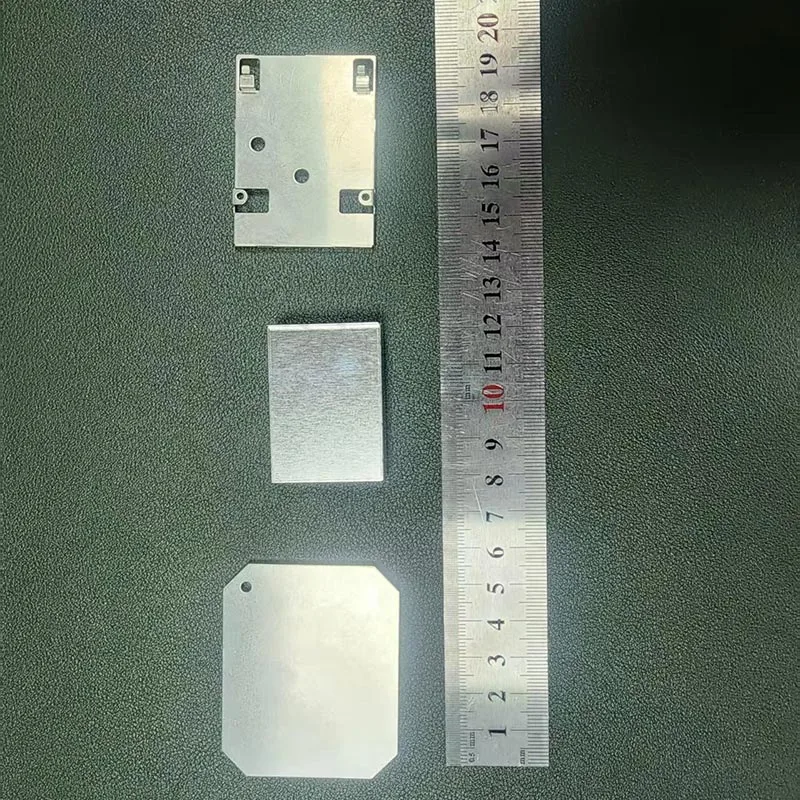
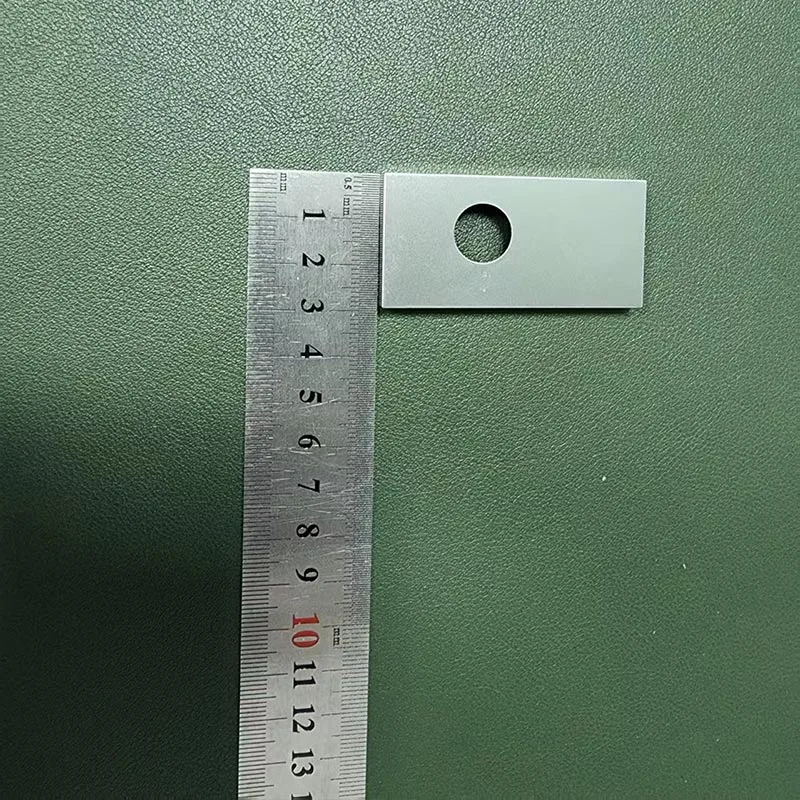
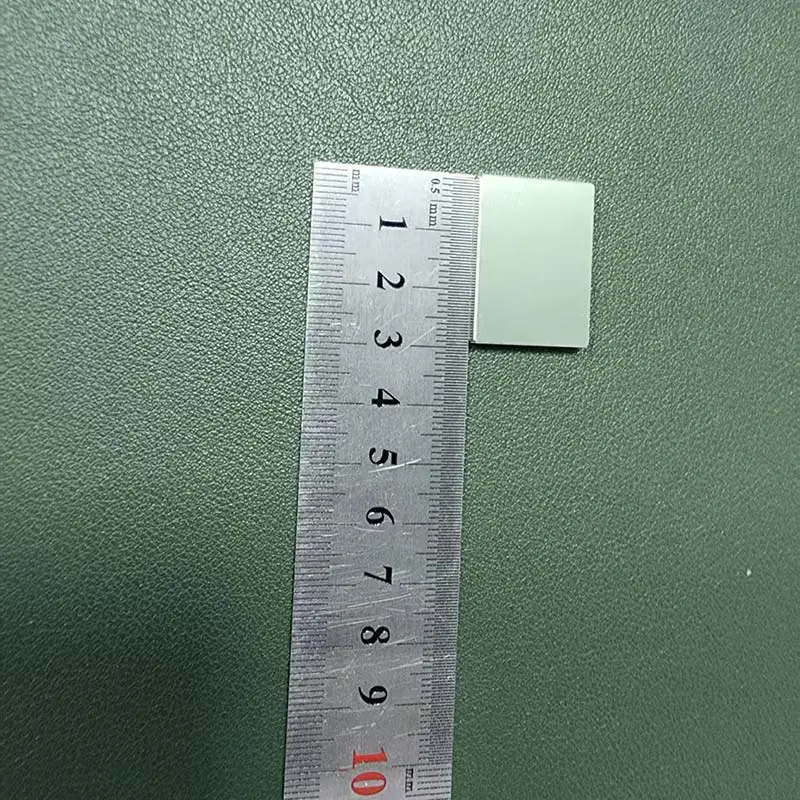
Qiyiguo Technology's Automotive Electronic EMI Shielding Cover is an automotive-grade metal shielding component engineered for harsh operating conditions. It combines efficient electromagnetic isolation with environmental durability and mechanical vibration resistance, making it a widely adopted solution for Tier 1 suppliers and automotive electronics OEMs.


The Automotive Electronic EMI Shielding Cover is a specialized automotive-grade metal shielding structure. It utilizes an enclosed metal cavity to provide bidirectional electromagnetic protection: suppressing the leakage of electromagnetic radiation from the electronic module itself while blocking external electromagnetic interference. Additionally, it offers excellent vibration resistance, temperature tolerance, and corrosion resistance, ensuring suitability for the vehicle's entire lifecycle.
- Powertrain Control: Shielding for various vehicle ECUs, DC-DC converters, and On-Board Chargers (OBC).
- Intelligent Driving: Shielding and isolation for ADAS (Advanced Driver Assistance Systems) and domain controller precision circuitry.
- Body Electronics: Shielding for body control systems and In-Vehicle Infotainment (IVI) systems.
- New Energy Vehicles: Shielding for Battery Management Systems (BMS) and new energy control modules.
- Precision Sensing: Specialized shielding for various automotive sensor control boards, ensuring signal acquisition accuracy.
This material offers excellent resistance to high temperatures, corrosion, and deformation. It remains stable in harsh installation environments—such as engine compartments and chassis—characterized by high heat, high humidity, and corrosive elements. Its superior mechanical structural stability makes it ideal for high-reliability automotive projects.
Offers stable material properties and excellent cost-performance value. It meets standard requirements for basic shielding and rust prevention, making it suitable for automotive electronic modules in standard environments—such as interior components and center consoles—and ideal for high-volume, cost-sensitive mass production projects.
Features excellent electrical conductivity and low high-frequency shielding loss, delivering outstanding shielding performance. Specifically designed for core modules requiring high-precision electromagnetic isolation, such as ADAS, high-precision sensing, and high-frequency control systems.
- Precision Stamping: Integrated stamping for standard flat or shallow-cavity structures; ensures high dimensional consistency and is suitable for automated mass production.
- Multi-stage Deep Drawing: Utilized for complex, deep-cavity automotive structures; prevents issues such as material cracking and uneven wall thickness, ensuring structural strength and sealing integrity.
Supports two mainstream automotive manufacturing processes: SMT reflow soldering and laser welding. Solder joint structures are validated for automotive-grade reliability, offering resistance to vibration and thermal cycling (high/low-temperature cycles) to eliminate long-term failures caused by solder detachment or cold joints.
Surface treatments—such as nickel plating, zinc plating, or passivation—can be selected based on specific operating conditions. All processes are validated through automotive salt spray testing, effectively enhancing oxidation and corrosion resistance to ensure durability in complex, long-term automotive environments.
- Shielding Effectiveness: 60–100 dB; covers the full spectrum of automotive high- and low-frequency electromagnetic interference (EMI), meeting vehicle-level EMC isolation requirements.
- Operating Temperature Range: -40°C to +125°C; fully compliant with AEC-Q100 automotive environmental temperature specifications.
- Material Thickness: 0.15 mm–0.4 mm; balances structural strength with lightweight design requirements.
- Machining Precision: High-precision tolerance of ±0.05 mm; suitable for the precise layout of high-density automotive PCBs.
- Environmental Reliability: Successfully passed a comprehensive suite of automotive-grade reliability tests, including temperature cycling, high-temperature/high-humidity exposure, mechanical vibration, and salt spray corrosion.
Our factory fully implements the IATF 16949 quality management system for the automotive industry, meeting the audit standards of global Tier 1 suppliers and OEMs. We utilize five core quality tools to achieve risk control across the entire process.
Deep involvement in the early project stages; collaboration with customers on structural design reviews, process development, and reliability verification planning. We mitigate potential product failure risks at the design source to align with vehicle-level reliability requirements.
Supports the delivery of a full suite of PPAP documentation—including design records, engineering changes, DFMEA/PFMEA, control plans, MSA reports, dimensional inspection reports, material certifications, and process capability data to meet mass production approval requirements.
Conducts dual failure analyses covering both design and production phases. We proactively identify potential issues such as detachment due to vibration, corrosion, poor shielding, or solder joint failure and optimize structures and processes in advance.
Digitally monitors key processes such as stamping, deep drawing, welding, and surface treatment. This ensures stable process capability indices and guarantees high consistency in performance and dimensions across mass-produced products.
Regularly calibrates testing equipment and reviews measurement accuracy to ensure that all data regarding dimensions, performance, and reliability are precise and trustworthy, thereby eliminating quality anomalies caused by measurement errors.
- EMC Compliance: Product design and manufacturing strictly align with CISPR 25 and ISO 11452 automotive electromagnetic compatibility standards, meeting vehicle-level certification requirements.
- Environmental Certification: Supports full AEC-Q100 automotive environmental reliability testing and validation, ensuring suitability for harsh automotive operating conditions.
- Batch Traceability: Each Automotive Electronic EMI Shielding Cover batch comes with a complete factory inspection report; the entire production chain is traceable, ensuring quality is controllable and verifiable.
With extensive experience in Tier 1 and OEM support, we facilitate collaboration across the entire process—from conceptual design, PCB layout, and structural optimization to mass production delivery. We also provide shielding effectiveness simulation analysis and structural optimization recommendations.
Automotive-grade prototyping takes 5–10 working days. We support custom prototyping for complex structures and special operating conditions, enabling rapid support for customer prototype debugging, reliability testing, and preliminary certification assessments.
We support flexible mass production scheduling to meet needs across all stages: small-batch prototyping, pilot production, and high-volume supply. Services include VMI (Vendor Managed Inventory) and JIT (Just-In-Time) delivery, fully aligning with automotive supply chain lean production systems.
Automotive-grade shielding covers are custom-engineered products; the core differences lie in reliability and compliance. These products pass automotive-grade tests—such as high/low-temperature cycling, vibration/shock, and salt spray corrosion—and meet AEC-Q100 and CISPR 25 automotive standards. Manufactured under IATF 16949 quality management systems, they come with PPAP documentation for mass production, meeting the rigorous operating conditions and certification requirements of the automotive industry—far exceeding the standards of consumer-grade shielding components.
Yes. To withstand the high-temperature, humid, and corrosive conditions of the engine compartment, SUS304 stainless steel—treated with passivation and nickel plating—is utilized. This material ensures long-term stability across a temperature range of -40°C to +125°C, offering excellent vibration and corrosion resistance while maintaining structural integrity.
Yes, fully supported. We can submit a complete PPAP package—including FMEA analysis, control plans, MSA reports, dimensional reports, material certificates, and process capability reports—tailored to specific project classification requirements, thereby meeting the mass production approval standards of automotive Tier 1 suppliers and OEMs.
Yes, fully compatible. The products support standard SMT reflow soldering and are compatible with fully automated surface-mount production lines. For specialized structures, laser welding can be employed to ensure robust, vibration-resistant, and temperature-stable solder joints that meet the reliability requirements for long-term automotive use.
Yes, we offer comprehensive customization. Based on customer PCB layouts, 3D structural designs, and operational requirements, we can customize features such as irregular cavities, specialized apertures, and reinforced structures to meet the unique mounting needs of various automotive modules, including ECU, ADAS, and BMS units.
Address
Fumin Science and Technology Park, Songgang Subdistrict, Bao'an District, Shenzhen City, Guangdong Province, China
Tel