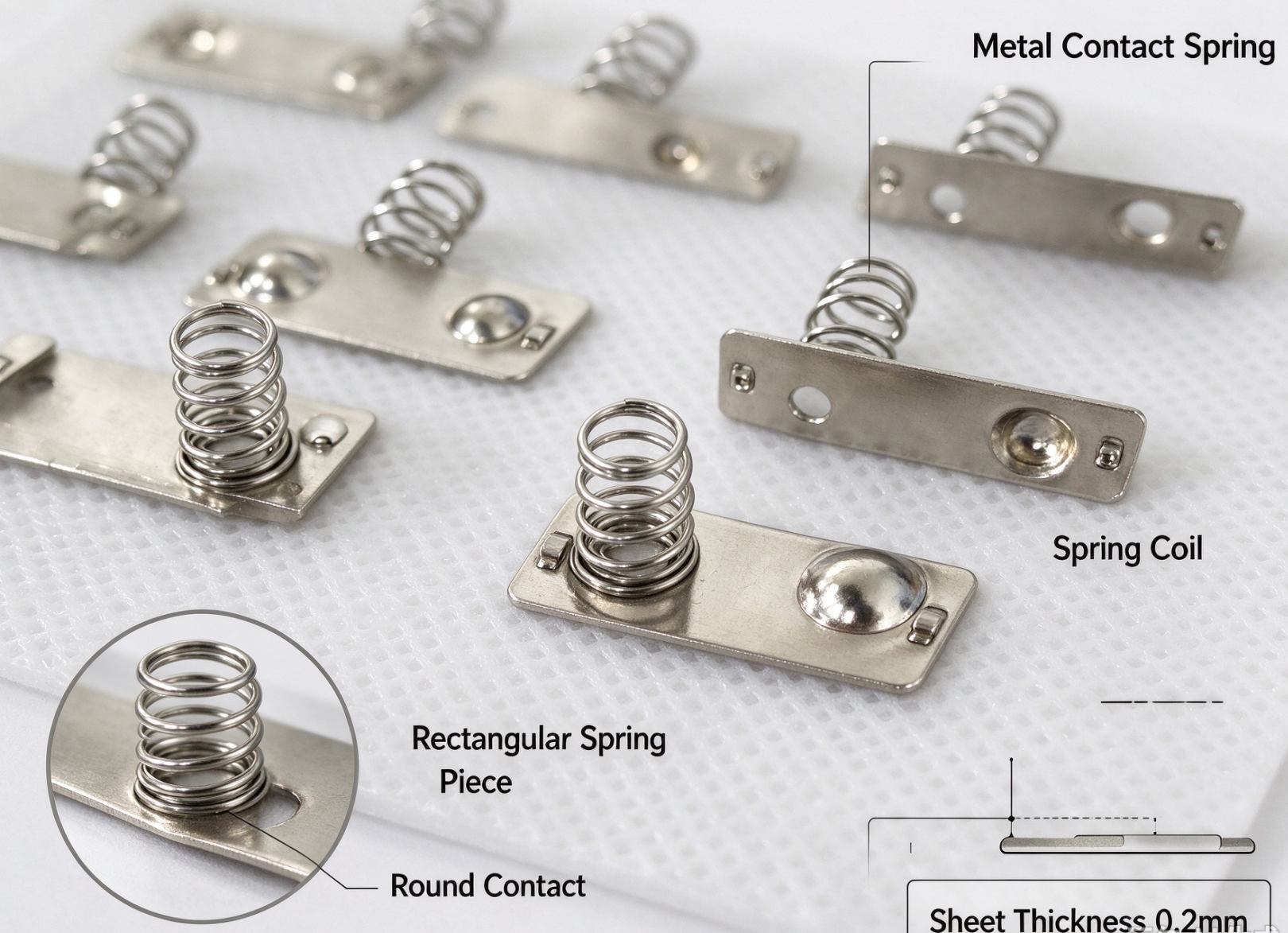
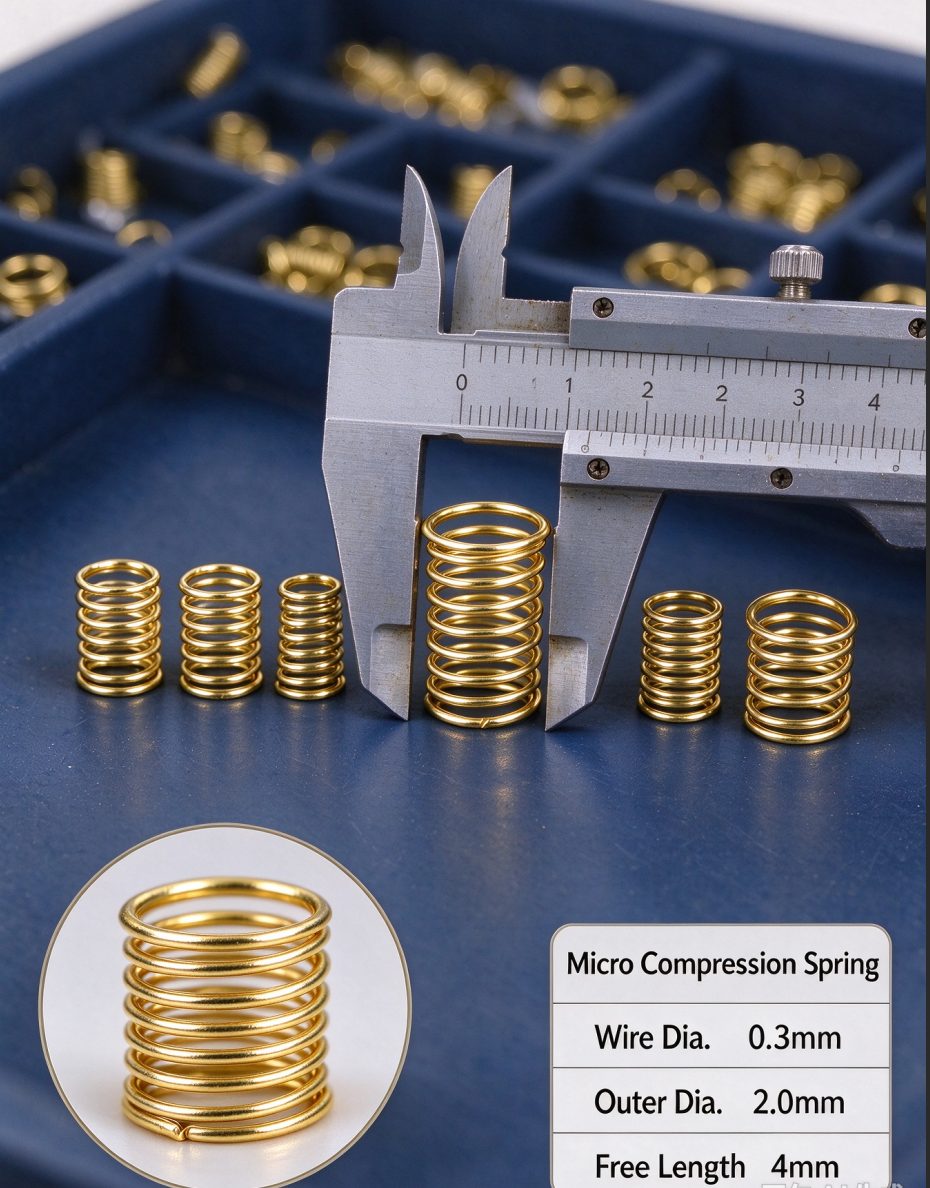
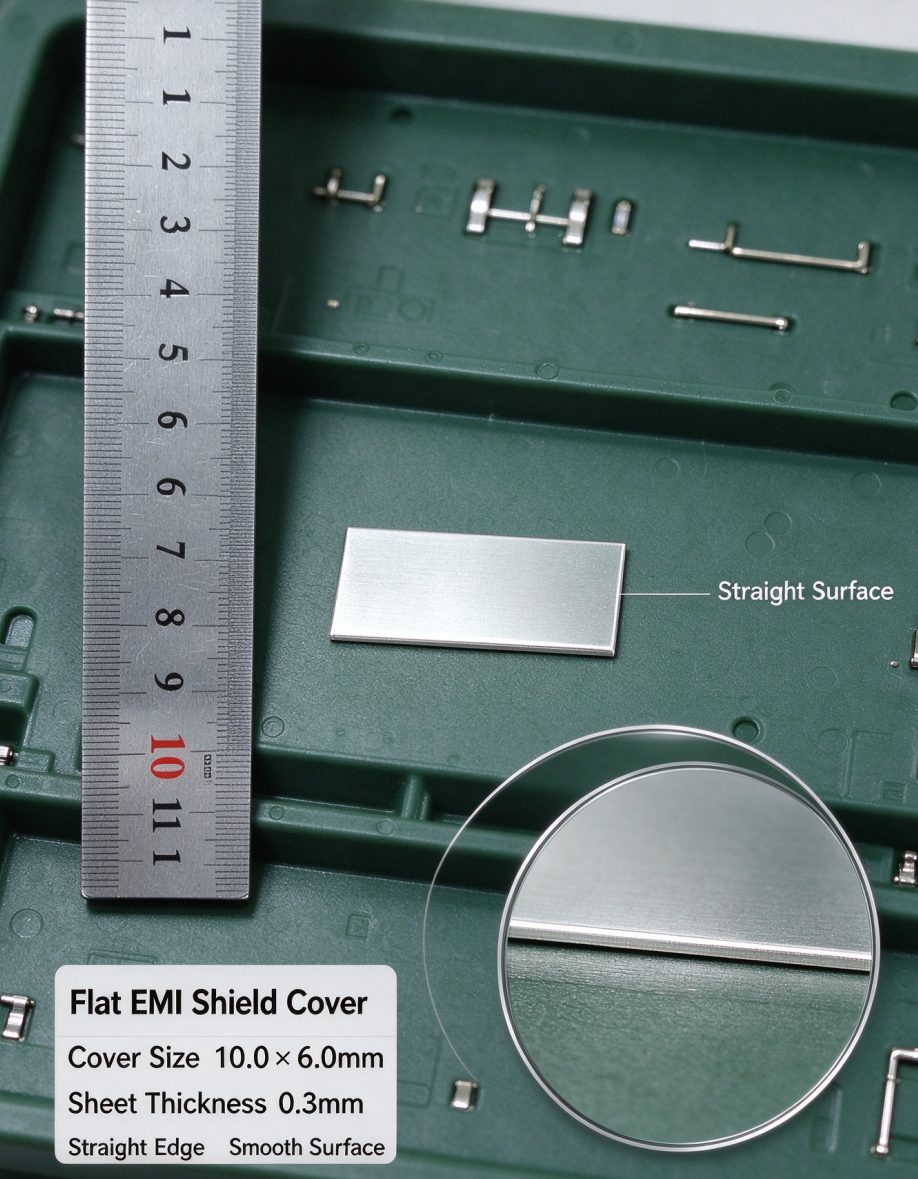
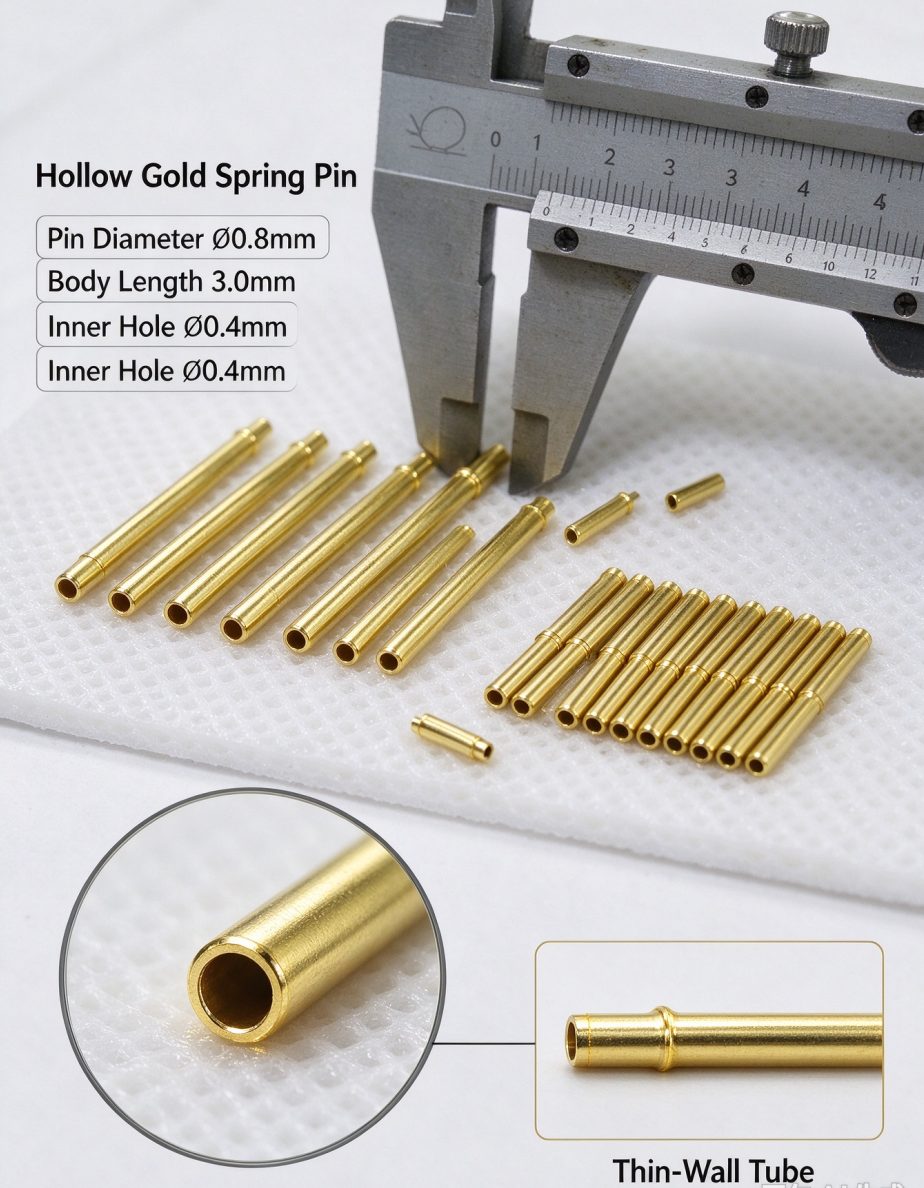
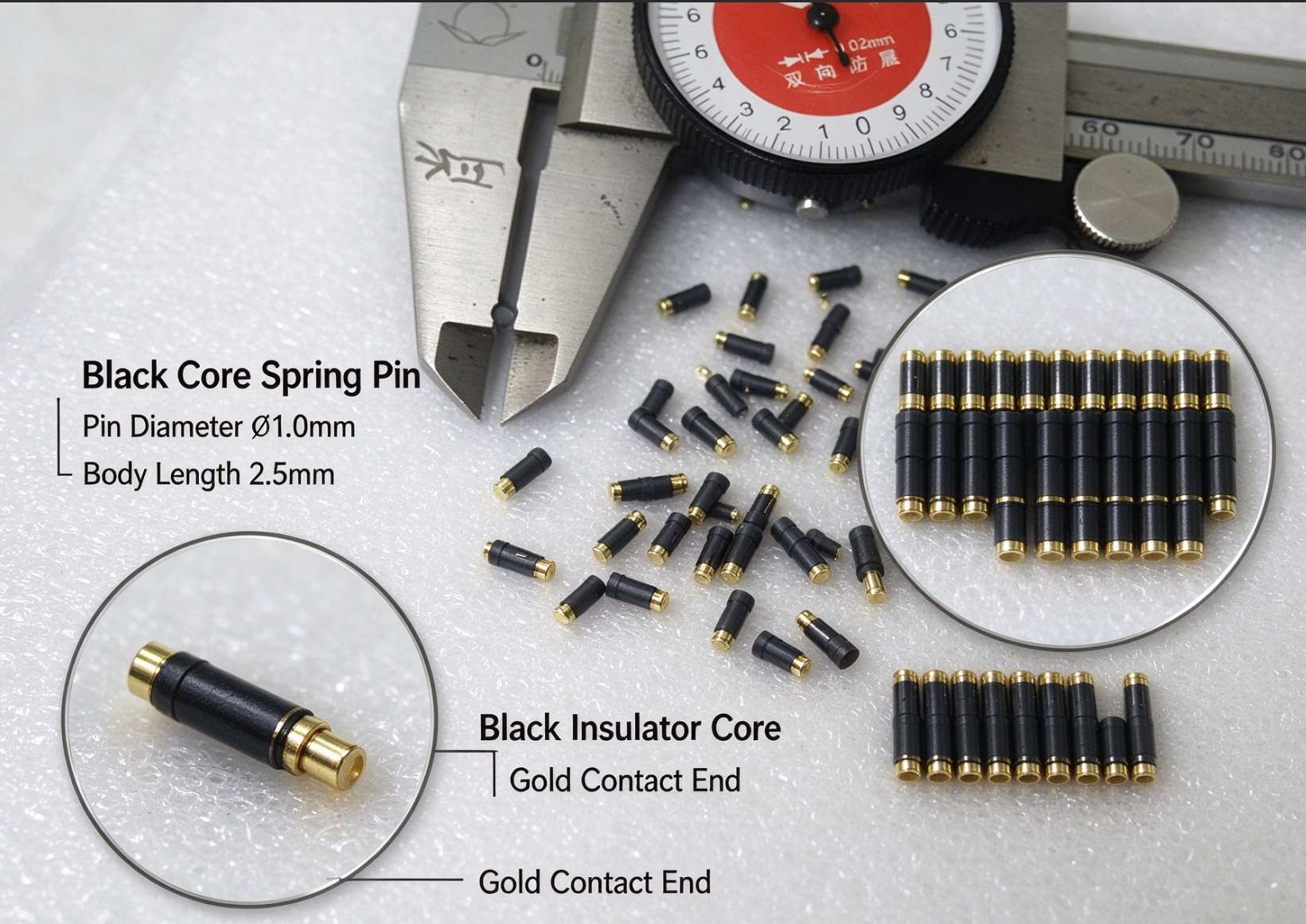
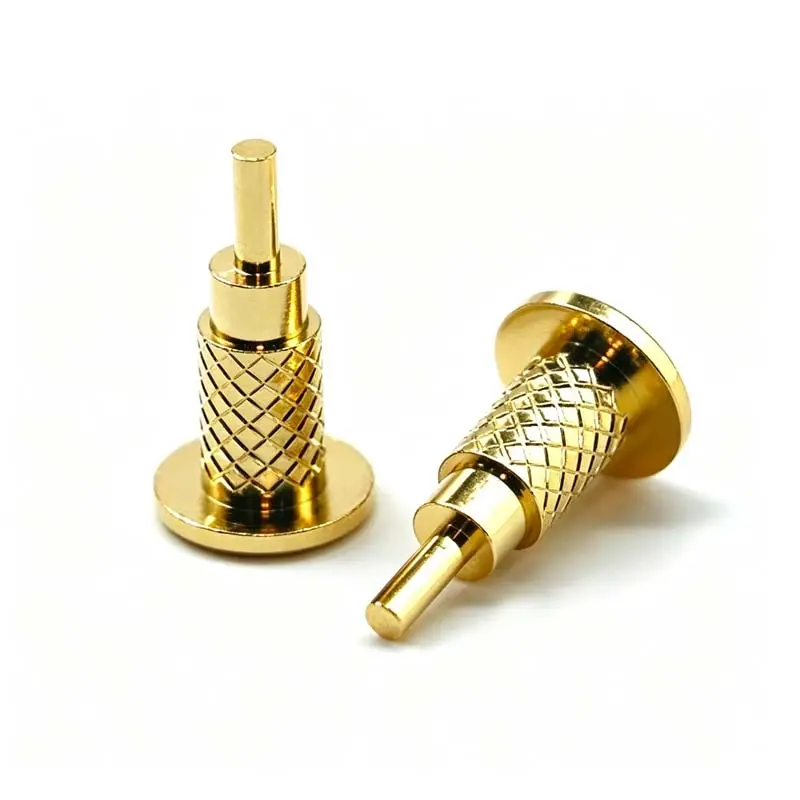
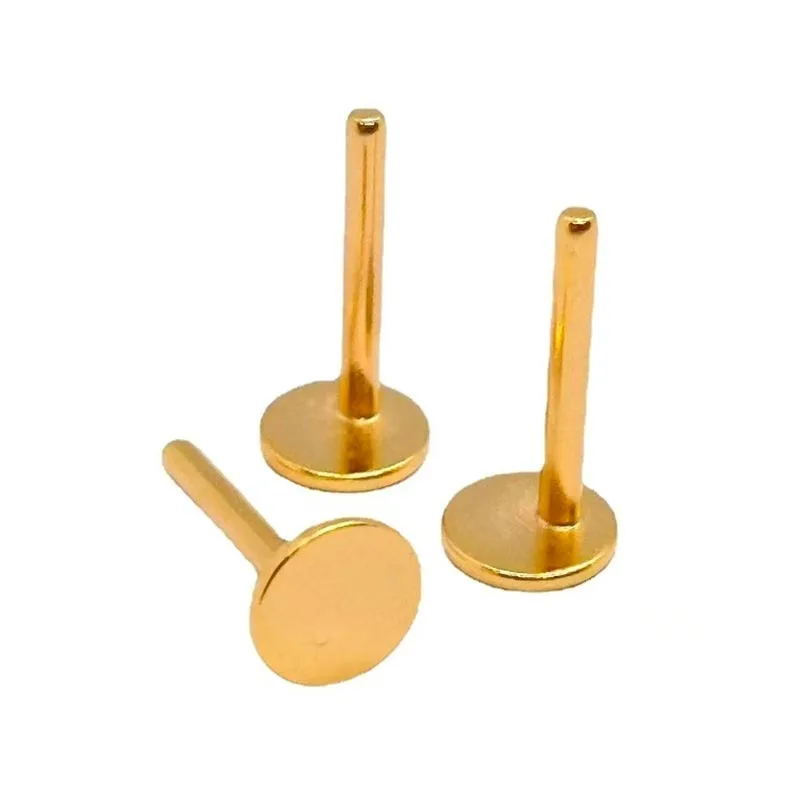
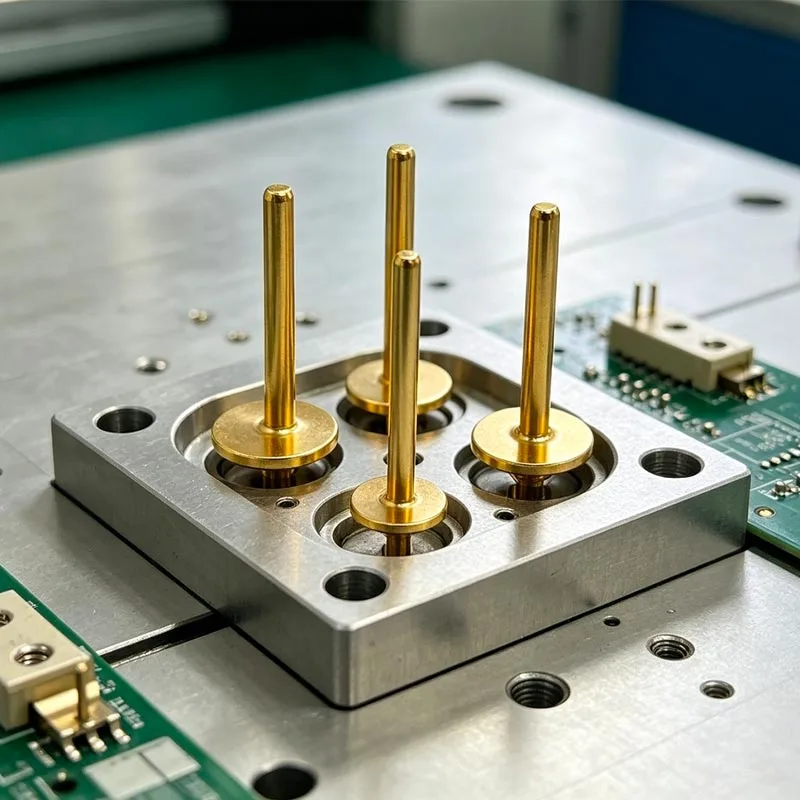
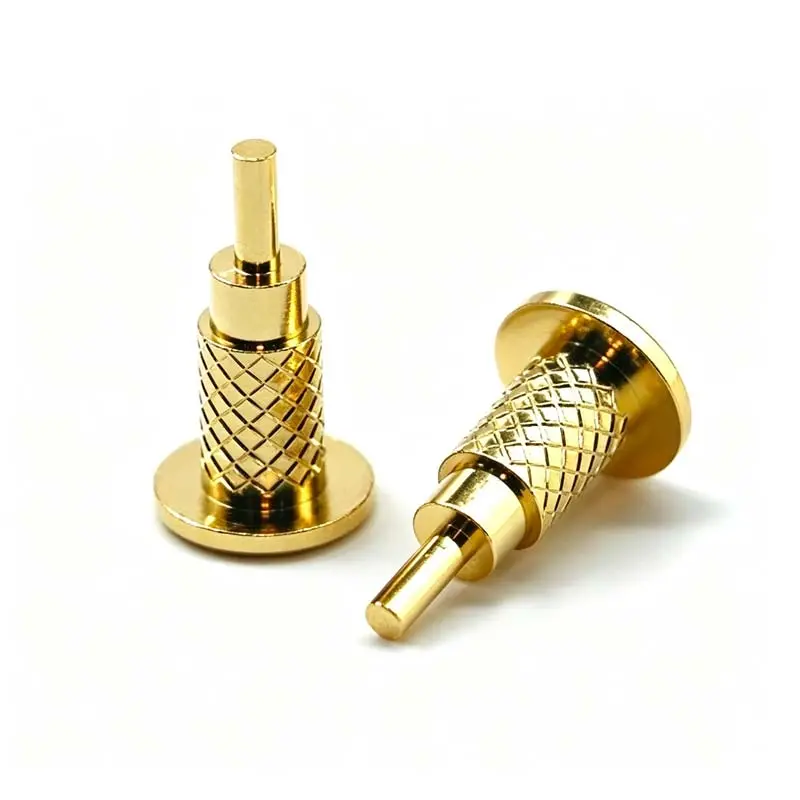
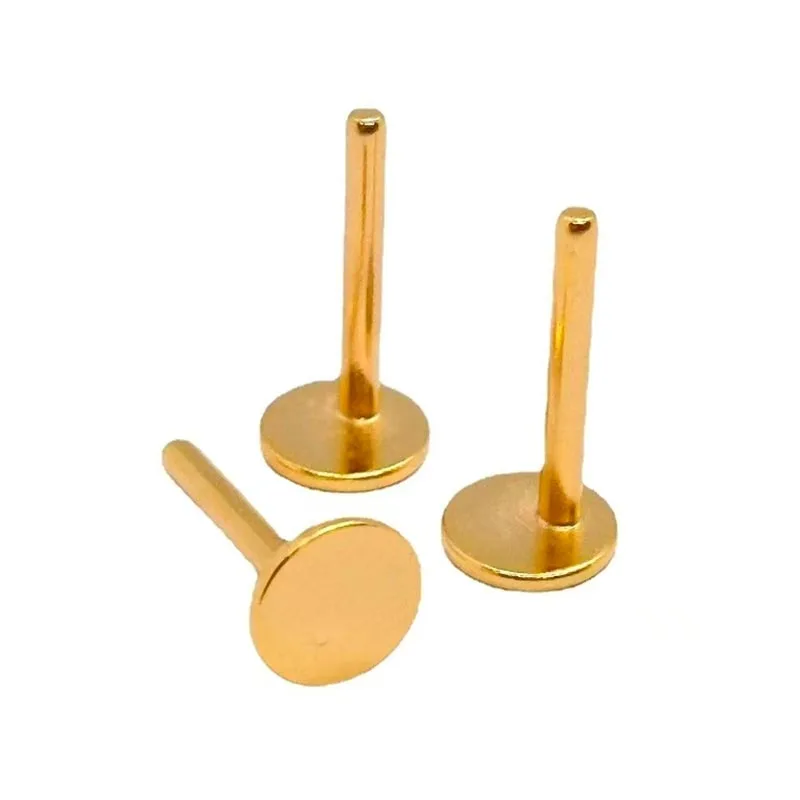
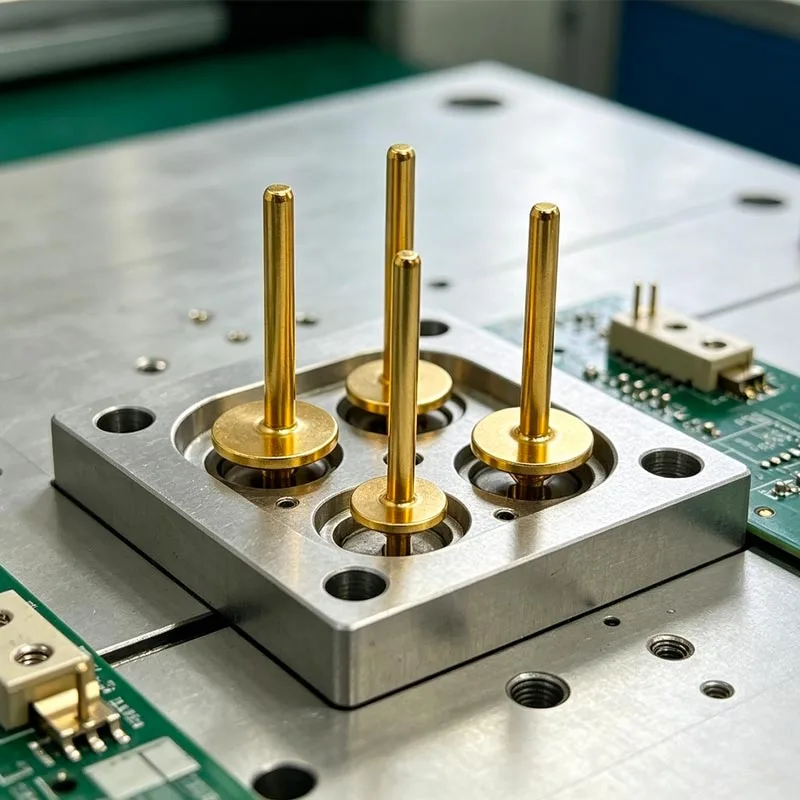
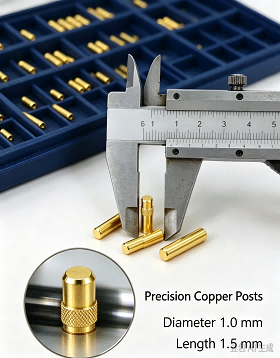
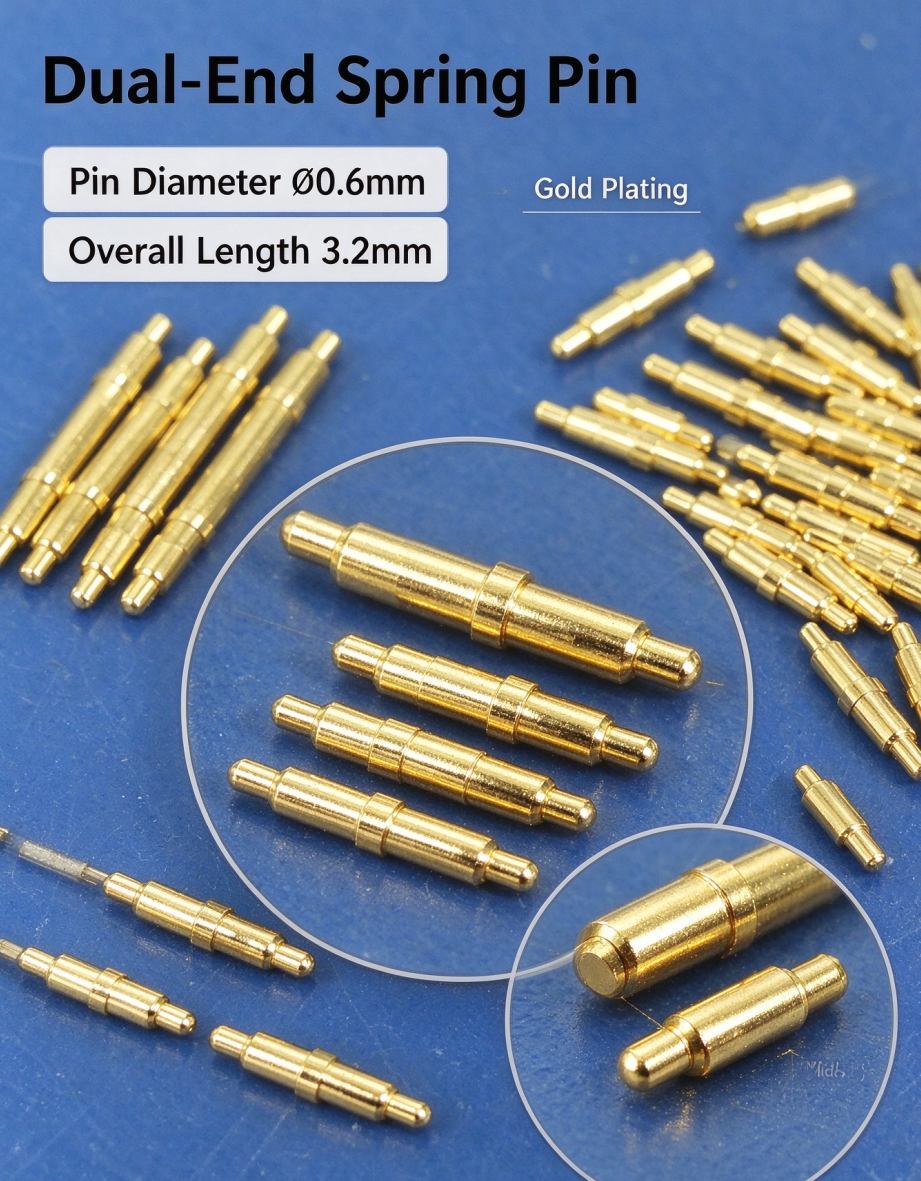
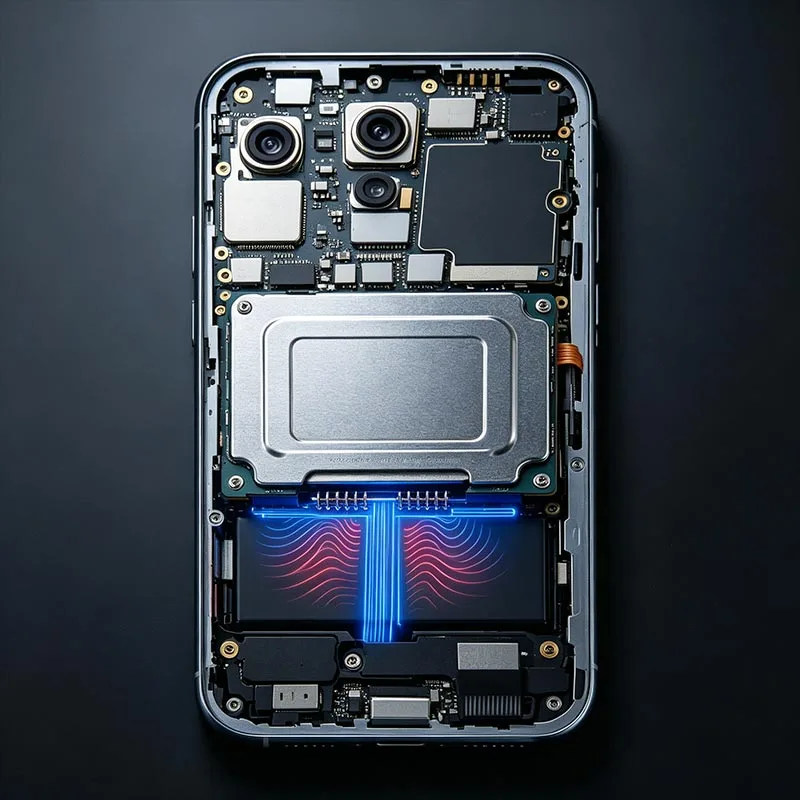
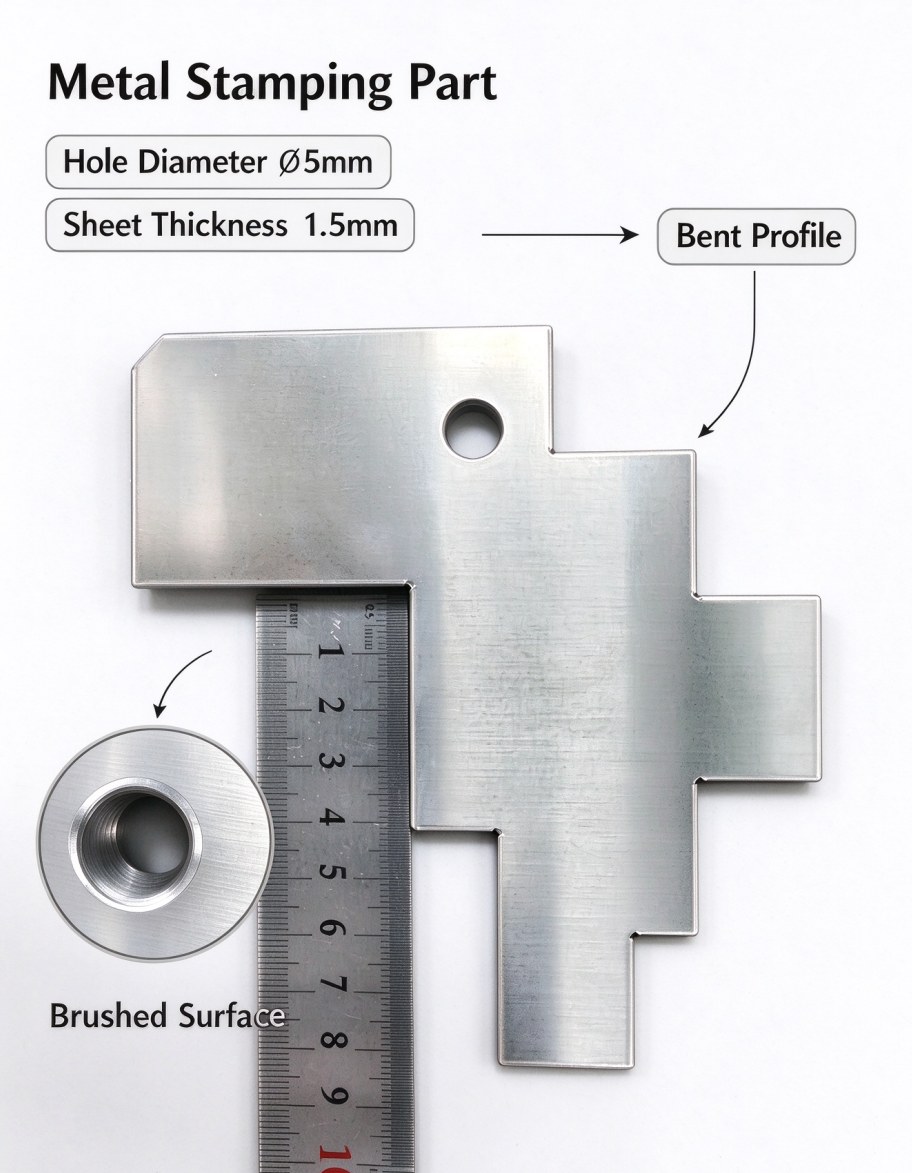
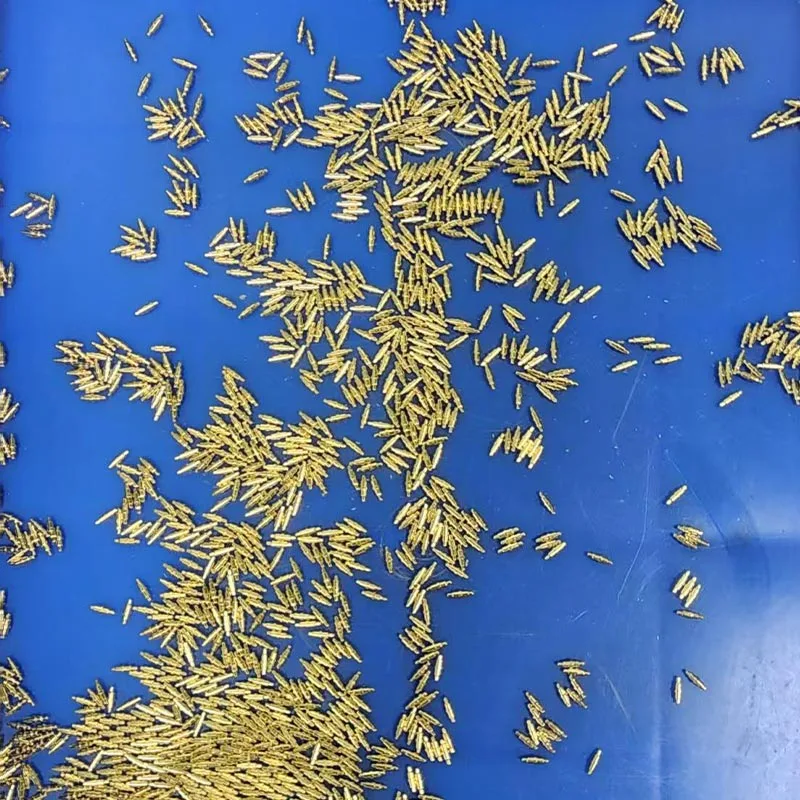
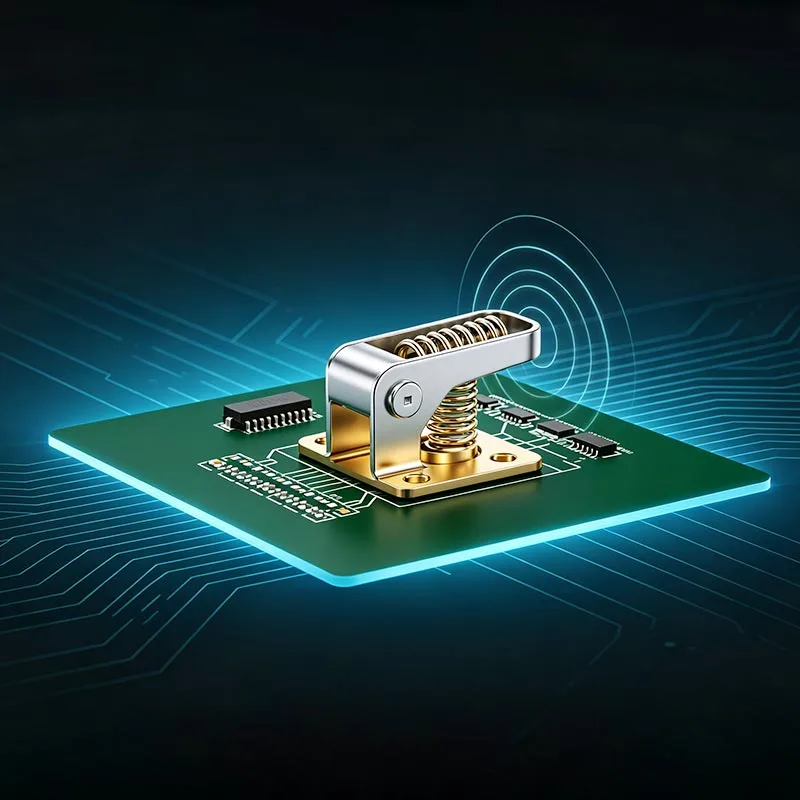
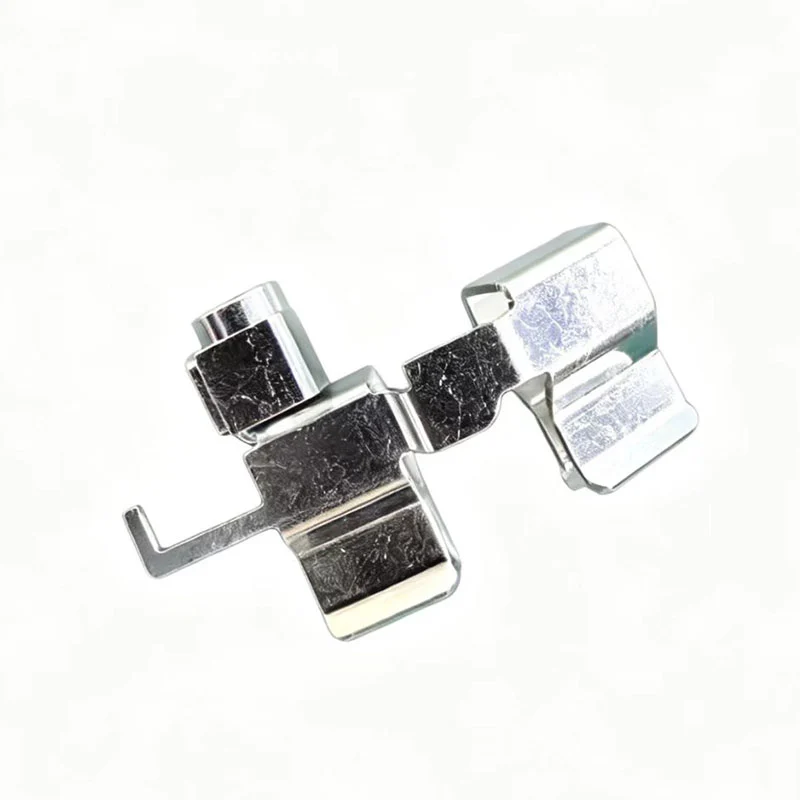
The Eccentric-shaped Bullet Pin breaks away from the conventional form of standard spring-loaded pins. Through innovations such as an eccentric structural design, a specially shaped plunger tip, and an asymmetrical barrel cross-section, these pins are capable of accommodating a wide range of unconventional connection scenarios. Qiyiguo Technology is a professional manufacturer and supplier of Pogo Pins in China; we invite you to choose us for your needs.
In the realm of precision connectivity, while 80% of requirements can be met by standard cylindrical pins,
challenges often arise: mating surfaces may be curved rather than flat, preventing stable contact with standard
tips; PCB layout space may be severely restricted, making standard spacing unfeasible; connection points may require
navigating around structural obstructions where a straight pin body cannot fit; or assembly tolerances may be loose,
necessitating a pin capable of self-adjusting its position.
The Eccentric-shaped Bullet Pin breaks the traditional "cylinder plus concentric tip" mold. By employing innovations
such as an eccentric structure, a unique tip profile, and an asymmetrical barrel cross-section, it adapts to even
the most unconventional connection environments.
Product Definition
The Eccentric-shaped Bullet Pin is a precision elastic conductive component that utilizes an eccentric structure or
unique geometric design to achieve specialized connection functions that standard spring-loaded pins cannot perform.
Core meanings of "eccentric":
● Eccentric tip: The contact point is offset from the central axis of the barrel, enabling lateral or angled contact
within limited space.
● Eccentric barrel: The barrel features a non-circular cross-section (e.g., elliptical, D-shaped, or flattened
rectangular) or an angled bend to avoid structural interference.
● Eccentric positioning pin-style pogo pin: Utilizes the principle of an eccentric positioning pin; rotating the pin
allows for fine-tuning the contact position to compensate for assembly tolerances.
Core structural components (vary by type):
● Custom-shaped tip: Tailored to the mating surface (e.g., arc-shaped, wedge-shaped, blade-edge, flat, L-shaped
bend) to ensure stable contact with unconventional contact surfaces.
● Resilient barrel: Available in various cross-sections (circular, elliptical, D-shaped, etc.); houses the spring
and tip assembly internally.
● Spring assembly: Provides axial or angled spring force to ensure contact stability.
● Eccentric mounting structure: Some models feature an eccentric shaft design, allowing fine-tuning of the contact
position via rotation, with an adjustment precision of 0.03mm per increment.
Working Principle
Through innovative geometric design, the Eccentric-shaped Bullet Pin expands the traditional pogo pin's "vertical
compression/vertical contact" mode into diverse contact modes, such as lateral contact, angled contact, rotational
fine-tuning, and curved surface mating. Fundamentally, it overcomes spatial and functional limitations through
structural innovation while maintaining its elastic conductive function.
Eccentric custom-shaped pogo pin vs. Standard Pogo Pins—Solving Diverse Challenges
Comparison Dimension
Standard Round Pins
Eccentric Special-shaped Spring Pins
Contact Direction
Vertical direction only
Multi-angle contact including vertical, lateral and oblique directions
Mating Surface Adaptation
Only compatible with flat contacts
Compatible with curved surfaces, inclined surfaces and irregular surfaces
Space Requirement
Requires linear space with standard pitch
Works in extremely narrow spaces and bent routing paths
Position Adjustment
No adjustment capability
Eccentric structure enables fine rotational adjustment
Tolerance Compensation
Axial-only compensation
Multi-dimensional compensation for axial, radial and angular deviations
Customization Level
Standard parts with strong universality
Highly customized, engineered for specific application scenarios
Main Types
By Eccentricity/Offset Method:
● Eccentric Tip: The contact point is offset from the barrel's central axis; suitable for lateral contact or
narrow-pitch layouts.
● Eccentric Barrel: The barrel features a non-circular cross-section or a bend; suitable for connections requiring
clearance around structural obstacles.
● Eccentric Positioning: Utilizes the principle of eccentric locating pins; allows for precise micro-adjustment of
the contact position via pin rotation.
By Tip Shape:
● Arc/Curved Tip: Fits curved contact surfaces, such as arc-shaped battery tabs or curved charging docks.
● Wedge/Blade Tip: Small contact area with concentrated pressure; suitable for high-precision signal testing.
● L-Shaped/Bent Tip: Tip bent at an angle; suitable for space-constrained lateral contact scenarios.
● Claw/Multi-Tooth Tip: Multi-point contact; suitable for high-reliability signal transmission.
By Function:
● Signal Type: Emphasizes low contact resistance and high-frequency characteristics.
● High-Current Type: Emphasizes low impedance and high current-carrying capacity.
● Positioning Type: Combines electrical connection with mechanical positioning functions.
● Floating Type: Features an internal floating compensation structure to automatically correct for multi-directional
misalignment.
Application Scenarios
● Curved-Surface Charging Equipment: Magnetic charging for curved-screen smartphones and curved wearable
devices—arc-shaped tips perfectly match curved contact surfaces, ensuring stable charging contact.
● High-Density PCB Testing: Chip packaging tests and ICT/FCT for high-density PCBs—wedge or blade tips enable
precise contact within extremely tight pitch constraints.
● Automotive ECU: Modular connections for vehicle control units—eccentric positioning pogo pins combine connection
and positioning functions, simplifying the assembly process
● Foldable screen/hinge devices: Signal transmission in the hinge area of foldable phones—L-shaped angled pogo pins
ensure reliable connections within tight, bending spaces
● Medical devices: Modular connections for precision equipment like endoscopes and surgical robots—custom-shaped
pogo pins accommodate complex internal layouts
● Aerospace: Board-to-board connections for satellite communication modules and flight control systems—eccentric
floating pogo pins compensate for thermal deformation and vibrational displacement in extreme environments
● Industrial sensors: Signal acquisition in harsh environments—custom-shaped pogo pins adapt to unique mounting
spaces and contact requirements
Precision stamping & deep-drawing; wire-cutting or MIM process for special-shaped cross-sections
Spring
Piano Wire (SWP), Stainless Steel Wire (SUS)
Special heat treatment to sustain long-term stable elasticity
Eccentric Shaft / Mounting Part
Alloy tool steel, bearing steel, stainless steel
High-precision grinding, eccentricity tolerance up to ±0.01 mm
Surface Treatment Solutions
● Gold plating over nickel: Most common solution; nickel underlayer enhances corrosion resistance, while the gold
layer ensures ultra-low contact resistance
● Nickel + Silver plating: Suitable for high-current applications; silver offers superior electrical conductivity
● Hard chrome plating: Suitable for high-wear applications; surface hardness can exceed 750 HV
● Electroless nickel plating: Provides uniform coverage on complex, irregular shapes; ideal for custom-shaped probe
barrels
Core Manufacturing Processes
● Multi-axis CNC precision machining: 5-axis machining centers enable precision forming of complex probe tips and
eccentric structures
● MIM (Metal Injection Molding): Efficient mass production of small, complex-shaped parts with high dimensional
consistency
● Precision wire-cut EDM: High-precision machining for the cross-sections of custom-shaped probe barrels
● Eccentric grinding: High-precision cylindrical grinding ensures accurate eccentricity for eccentric shafts
● Vacuum plating: Ensures uniform coating coverage on internal areas and complex surfaces of irregular shapes
Technical Capabilities and Key Parameters
● Eccentricity range: 0.1 mm - 3.0mm (customizable based on model)
● Outer diameter range: 0.3mm – 8.0mm
● Total length range: 1.5mm – 40.0mm
● Travel range: 0.2mm – 5.0mm
● Contact resistance: ≤30mΩ (≤5mΩ achievable with gold plating)
● Rated current: 0.3A – 50A (depending on specifications and materials)
● Mechanical life: ≥100,000 compression cycles
● Operating temperature range: -40°C to +125°C
● Dimensional accuracy: ±0.01mm – ±0.05mm (depending on machining method)
● Non-standard angle range: Supports custom bending angles from 0° to 90°
● Compliance: Meets RoHS 2.0 and REACH environmental standards
Certifications and Quality Assurance
Our company holds both ISO 9001 and IATF 16949 certifications, possessing comprehensive quality management
capabilities to serve global Tier 1 and OEM customers.
Full Implementation of the Five Core IATF 16949 Tools:
● APQP (Advanced Product Quality Planning): Involvement begins at the early development stage of the eccentric,
irregularly shaped spring probe; we collaborate with the customer on design reviews, process development, and
validation plans to ensure application reliability requirements are met from the design source.
● PPAP (Production Part Approval Process): Supports full-level PPAP documentation submission, covering design
records, process flow charts, DFMEA/PFMEA, control plans, MSA study reports, dimensional reports, material
certificates, initial process capability studies, etc.
● FMEA (Failure Mode and Effects Analysis): Proactively prevents common failure modes—such as spring force
degradation, excessive contact resistance, eccentricity deviations, and stress concentration in irregular
structures—at both the design and process levels.
● SPC (Statistical Process Control): Implemented for key processes (CNC machining, grinding, plating) to ensure a
Cpk ≥ 1.33.
● MSA (Measurement System Analysis): Conducted regularly to ensure the accuracy and reliability of inspection data.
Inspection Capabilities:
● CMM (Coordinate Measuring Machine) – Precision inspection of irregular structural dimensions and eccentricity.
● Optical Projector – Inspection of probe tip profiles and angles.
● Spring Force Tester – Testing of spring force values and travel/stroke.
● Hardness Tester – Material hardness testing.
● Coating Thickness Tester (X-Ray) – Measurement of plating thickness on irregular surfaces.
● Salt Spray Chamber – Corrosion resistance testing.
● Life Cycle Tester – Compression life validation.
Traceability:
Complete production and inspection records are established for every product batch, ensuring full traceability from
raw material intake to finished product shipment, thereby meeting the automotive industry's strict requirements for
supply chain transparency.
How to Partner with Us?
Eccentric-shaped Bullet Pins are highly customized products; we provide end-to-end services ranging from conceptual
design to mass production delivery:
• Collaborative Design: Upon receiving a description of the application scenario or a 3D model of the mating
interface, our engineering team completes a conceptual design within 48 hours. This includes calculating
eccentricity, optimizing pin-tip geometry, selecting materials, and recommending plating specifications.
• Rapid Prototyping: We utilize 3D-printed wax patterns combined with precision casting for rapid sample production.
Lead times are 5–7 working days for simple structures and 7–10 working days for complex ones.
• Small-Batch Validation: We support small-batch trial production, enabling customers to fully validate design
feasibility prior to mass production.
• Mass Production & Delivery: Packaging options include tape-and-reel (compatible with automated assembly
lines), bulk, and tube packaging.
• Delivery Models: We support Vendor Managed Inventory (VMI) and Just-in-Time (JIT) delivery to align with customer
lean manufacturing requirements.
• Minimum Order Quantity (MOQ): Flexible terms are available, facilitating a smooth transition from prototype
validation to high-volume mass production.
FAQ
Q1: What does "eccentric" mean in the context of Bullet Pins?
A1: "Eccentric" refers to three types of deviation from standard cylindrical pogo pins: (1) eccentric tip — contact
point offset from the barrel's central axis for lateral or angled contact; (2) eccentric barrel — non-circular
cross-section (elliptical, D-shaped, or flattened) to avoid structural obstructions; (3) eccentric positioning —
using an eccentric shaft design for fine rotational adjustment of contact position. Each type addresses different
unconventional connection challenges.
Q2: When should I choose an Eccentric-shaped Bullet Pin over a standard Pogo Pin?
A2: Choose eccentric pins when standard pins cannot work due to: curved or irregular mating surfaces (arc-shaped
tips needed), restricted PCB layout space (offset tip required), structural obstructions (bent barrel needed), or
loose assembly tolerances requiring position fine-tuning (eccentric positioning type). If your contact surfaces are
flat and space is standard, a standard pin is the simpler, more cost-effective choice.
Q3: What tip shapes are available and what are their applications?
A3: Available tip shapes include: arc/curved — for curved battery tabs or charging docks; wedge/blade — for
high-precision signal testing with concentrated pressure; flat — for high-current transmission with larger contact
area; L-shaped/bent — for lateral contact in space-constrained areas; claw/multi-tooth — for high-reliability
multi-point contact. Selection depends on your mating surface geometry and contact requirements.
Q4: Can Eccentric-shaped Bullet Pins achieve fine position adjustment after assembly?
A4: Yes, for eccentric positioning type models. These pins utilize an eccentric shaft design — rotating the pin
allows micro-adjustment of the contact position with an adjustment precision of 0.03mm per increment. This is
particularly useful in applications where assembly tolerances are loose or where post-assembly fine-tuning is
required for optimal contact alignment.
Q5: What is the typical lead time for custom Eccentric-shaped Bullet Pins?
A5: Due to the highly customized nature of eccentric pins, lead times differ from standard products. After receiving
your application scenario description or mating interface 3D model, our engineering team completes conceptual design
within 48 hours. Prototype lead time is 5–7 working days for simple structures and 7–10 working days for complex
geometries. Small-batch validation quantities are supported before mass production.
Q6: What manufacturing processes are used for special-shaped cross-section barrels?
A6: Special-shaped cross-sections (elliptical, D-shaped, flattened rectangular) are manufactured using one of three
methods based on quantity and precision requirements: precision stamping & deep-drawing for high-volume
production; wire-cut EDM for precision prototyping and small-batch runs; or MIM (Metal Injection Molding) for
complex small parts requiring high dimensional consistency. Each method is selected based on your order quantity and
precision specifications.
If you have customization demands or bulk procurement plans for EMI shielding components, precision metal parts and pogo pin products, please send your inquiry here. Our professional engineering and sales team will provide DFM evaluation, customized solution design and exclusive quotation within 48 hours, supporting long-term OEM and ODM cooperation.
We use cookies to offer you a better browsing experience, analyze site traffic and personalize content. By using this site, you agree to our use of cookies. Privacy Policy