News

News

How Can the Right Electric Vehicle Terminal Improve EV Safety, Connection Reliability, and Manufacturing Performance

2026-10-10 0 Leave me a message

Qiyiguo provides precision Electric Vehicle Terminal solutions for automotive electrical systems, supporting reliable connections in wiring harnesses, battery systems, electric drive units, and electronic control applications. Selecting the right terminal helps manufacturers address electrical performance, vibration resistance, durability, and production consistency throughout the vehicle lifecycle.

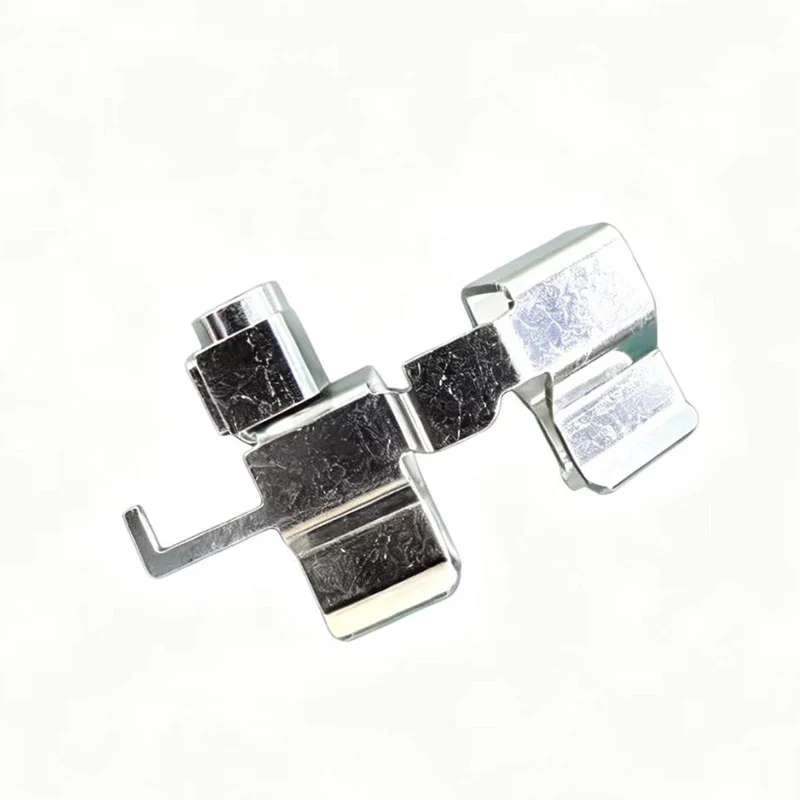
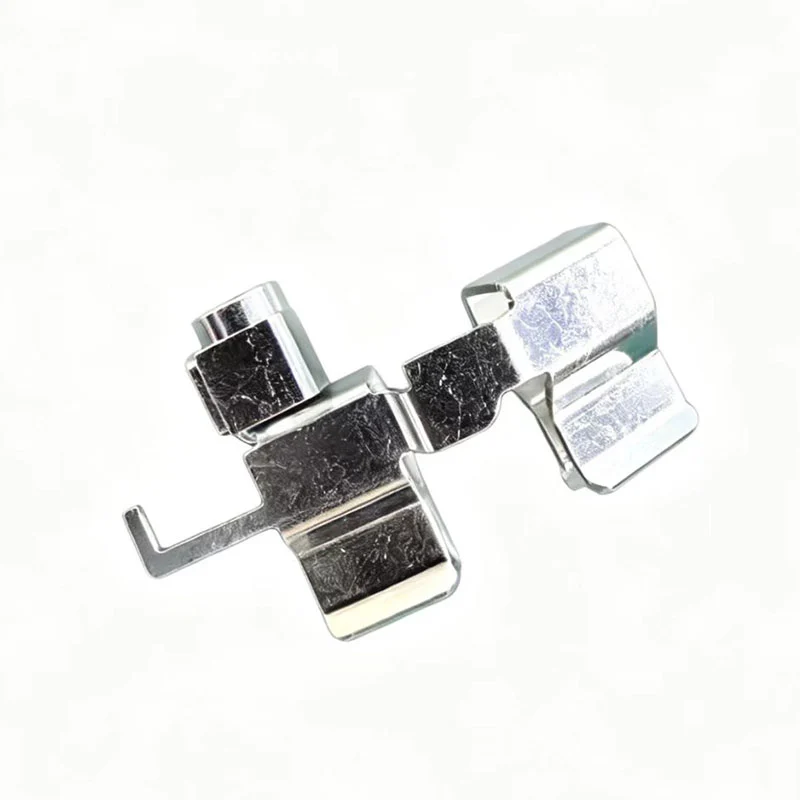
An electric vehicle terminal is a precision conductive component that connects wires, cables, and electronic devices within an electric vehicle. Its material, structural design, surface treatment, dimensional accuracy, and assembly method directly influence connection stability and electrical performance. As EV architectures incorporate more high-voltage circuits, compact electronic modules, and demanding operating conditions, terminal selection becomes an important part of electrical system engineering. This guide explains terminal types, material options, manufacturing processes, quality evaluation, and supplier selection considerations. It also outlines practical questions automotive engineers and purchasing teams should address when sourcing customized terminals for new energy vehicles.

Electric Vehicle Terminal

Table of Contents

  1. What Is an Electric Vehicle Terminal?
  2. Where Are EV Terminals Used?
  3. What Types of Electric Vehicle Terminals Are Available?
  4. How Do Materials and Plating Affect Performance?
  5. Which Manufacturing Processes Matter Most?
  6. How Should EV Terminal Quality Be Evaluated?
  7. How Can Buyers Select the Right Terminal Supplier?
  8. Frequently Asked Questions
  9. Conclusion: Building More Reliable EV Connections

What Is an Electric Vehicle Terminal?

An electric vehicle terminal is a conductive metal component designed to establish an electrical connection between wires, cables, connectors, or electronic components. Depending on the design, the terminal may be attached to a conductor through crimping, welding, or another specified joining method before being assembled into a connector housing.

Although terminals are relatively small, their performance can influence the reliability of an entire electrical circuit. A poorly designed contact or inconsistent manufacturing process may increase electrical resistance, create localized heating, or reduce mechanical retention under vibration.

In electric vehicles, these components must be selected according to their intended electrical and environmental conditions. Low-voltage signal terminals and high-current power terminals, for example, can have substantially different requirements for conductor geometry, contact force, material selection, and insulation coordination.

When evaluating an electric vehicle terminal solution from Qiyiguo, engineering teams should begin with the application's operating conditions and interface requirements rather than selecting a component by appearance alone.


Where Are EV Terminals Used?

Electric vehicles contain interconnected electrical systems that support energy storage, propulsion, charging, control, and passenger comfort. Terminals help establish the conductive paths required by these systems.

Battery Packs and High-Voltage Circuits

Battery-related connections may carry substantial current and operate under demanding thermal and vibration conditions. Terminal designs must account for conductor size, contact resistance, current loading, insulation arrangements, and the requirements of the complete connector assembly.

Electric Drive Systems

Electric motors, inverters, and associated control units rely on dependable electrical interfaces. Terminals used in these applications must meet the specified current, temperature, mechanical retention, and electrical isolation requirements of the system.

Automotive Wiring Harnesses

Wiring harness terminals connect sensors, lighting, control modules, body electronics, and other vehicle equipment. Consistent crimp geometry and reliable contact retention help support stable signal transmission throughout vehicle operation.

Electronic Control and Communication Modules

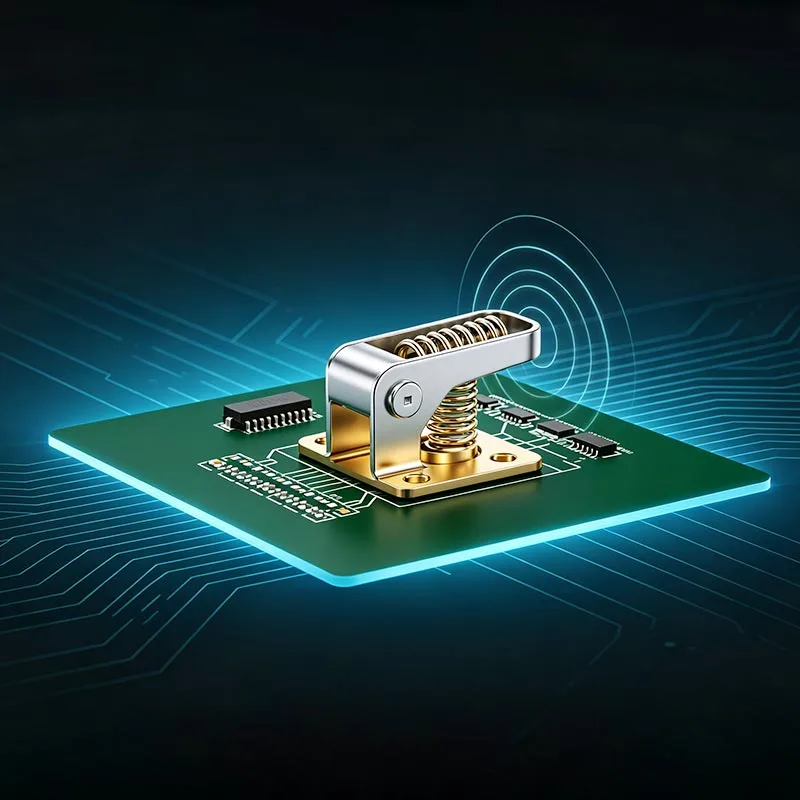
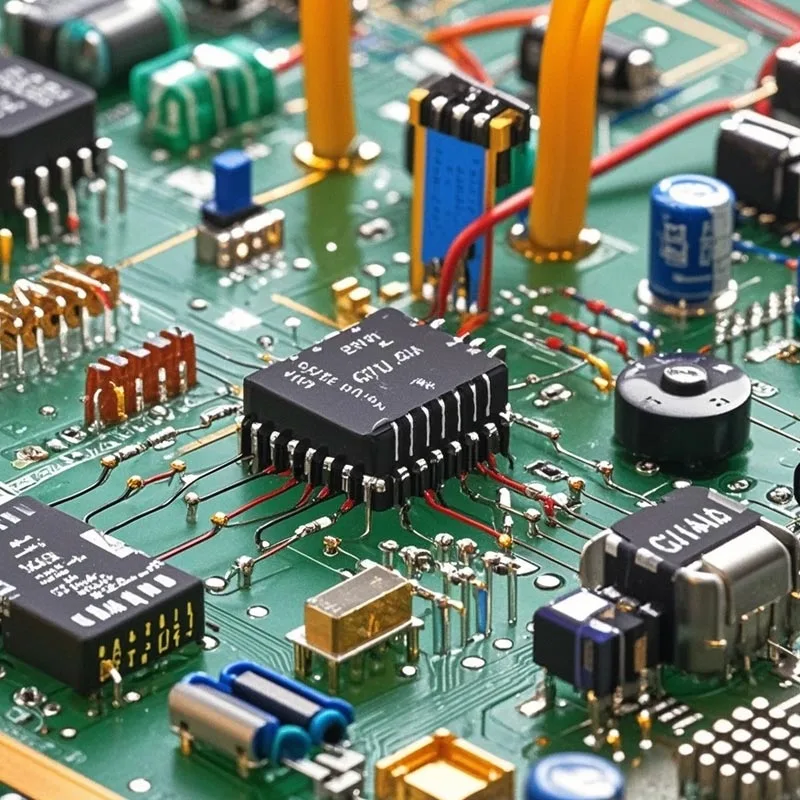
Compact electronic assemblies may require miniature terminals with controlled dimensions and repeatable contact characteristics. In signal-sensitive applications, designers should also evaluate the complete interface for signal integrity, electromagnetic compatibility, and resistance to environmental degradation.

  • Power connections: Focus on current capacity, temperature rise, and contact resistance.
  • Signal connections: Prioritize stable contact behavior and dimensional consistency.
  • Environmental exposure: Consider vibration, moisture, corrosion, and thermal cycling.
  • Automated assembly: Evaluate feeding, orientation, crimping, and inspection compatibility.

What Types of Electric Vehicle Terminals Are Available?

Terminal selection depends on the connection structure, mounting arrangement, conductor type, and intended electrical function. Common terminal designs include the following:

Terminal Type Typical Application Key Selection Consideration
Pin terminal Compact electrical interfaces and signal connections Pin dimensions, alignment, and contact compatibility
Socket terminal Receptacle contacts within connector housings Contact force, mating cycles, and retention
Blade terminal Automotive power distribution and plug-in connections Blade thickness, width, and mating stability
Ring terminal Screw- or stud-mounted electrical connections Hole dimensions, conductor size, and fastening requirements
Fork terminal Selected screw-terminal connections Mounting geometry and resistance to loosening
Crimp terminal Wire harnesses and cable-to-connector assemblies Wire compatibility, crimp geometry, and pull-out strength

These categories can overlap because a terminal may be classified by both its contact geometry and its wire-termination method. The appropriate design should match the connector interface, assembly process, and performance requirements defined by the vehicle manufacturer.


How Do Materials and Plating Affect Performance?

Conductive materials and surface treatments influence electrical conductivity, spring behavior, manufacturability, corrosion resistance, and overall service life. There is no single material that is optimal for every electric vehicle terminal application.

Material General Characteristics Potential Application
Phosphor bronze Useful elasticity and moderate conductivity Spring contacts and selected signal terminals
Brass Good machinability and practical cost General-purpose electrical contacts
Pure copper High electrical conductivity Applications prioritizing low electrical losses
Tellurium copper Conductivity combined with improved machinability Precision-machined conductive components
Beryllium copper High strength and useful spring properties Selected high-reliability spring contacts

Surface treatment provides another important layer of performance optimization:

  • Tin plating: Often selected for cost-effective electrical connections and suitable soldering or contact requirements.
  • Nickel plating: Can provide a protective barrier and support applications requiring improved corrosion resistance.
  • Silver plating: Offers high conductivity and may be appropriate for specified power-contact applications.
  • Gold plating: Can provide stable contact performance in selected signal and precision electronic applications.

Material and plating decisions should consider contact force, operating temperature, mating frequency, galvanic compatibility, manufacturing cost, and the intended environment. Coating thickness, adhesion, and uniformity should be verified against the agreed product specification.


Which Manufacturing Processes Matter Most?

Manufacturing consistency is essential when producing large quantities of automotive terminals. Even a carefully designed component can underperform if critical dimensions, material properties, or assembly characteristics vary beyond acceptable limits.

Precision Metal Stamping

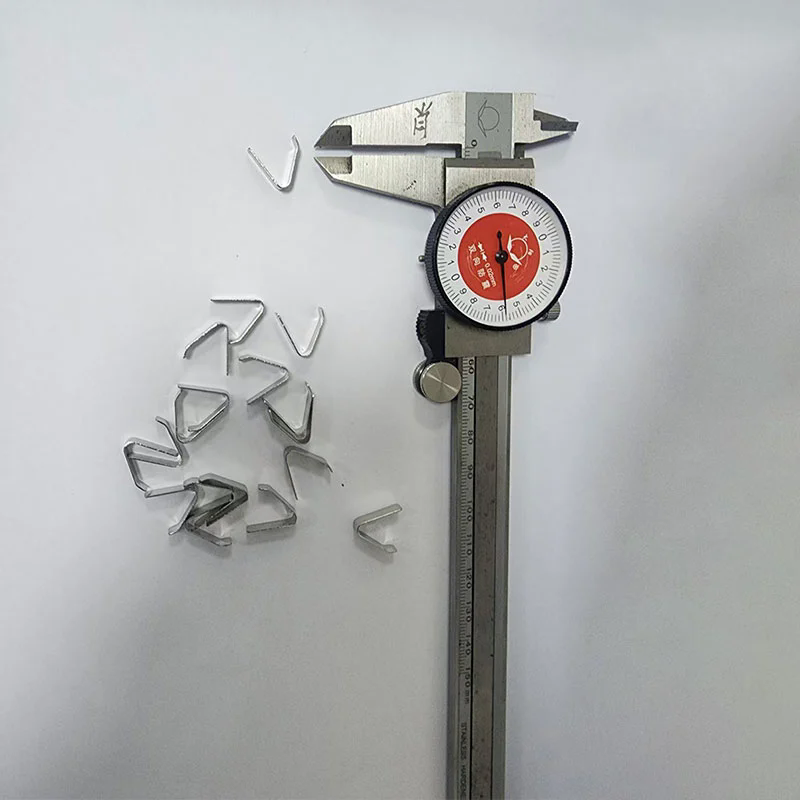
Progressive-die stamping supports efficient production of terminals with repeatable geometries. Important control points include material thickness, burr direction, forming accuracy, contact alignment, and dimensional stability. The required tolerance should be established by the component drawing and validated through measurement.

CNC Precision Turning

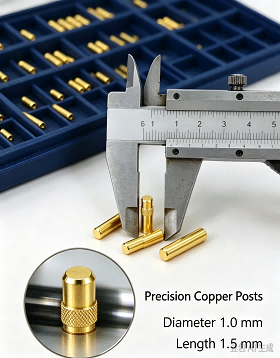
For cylindrical, threaded, or geometrically complex conductive parts, CNC turning can provide controlled dimensions and repeatable machining. Process selection depends on part geometry, production volume, material, and functional requirements.

Crimping and Joining

Crimping connects a terminal to a wire by mechanically compressing the terminal around the conductor. A reliable crimp depends on the terminal design, wire specification, tooling, setup, and process controls. Depending on the application, validation may include crimp-height measurement, pull testing, and cross-sectional examination.

Surface Finishing and Inspection

Plating processes must deliver the specified coating characteristics without compromising contact geometry or material performance. Inspection methods may include optical measurement, dimensional testing, coating-thickness measurement, hardness testing, and electrical resistance testing.

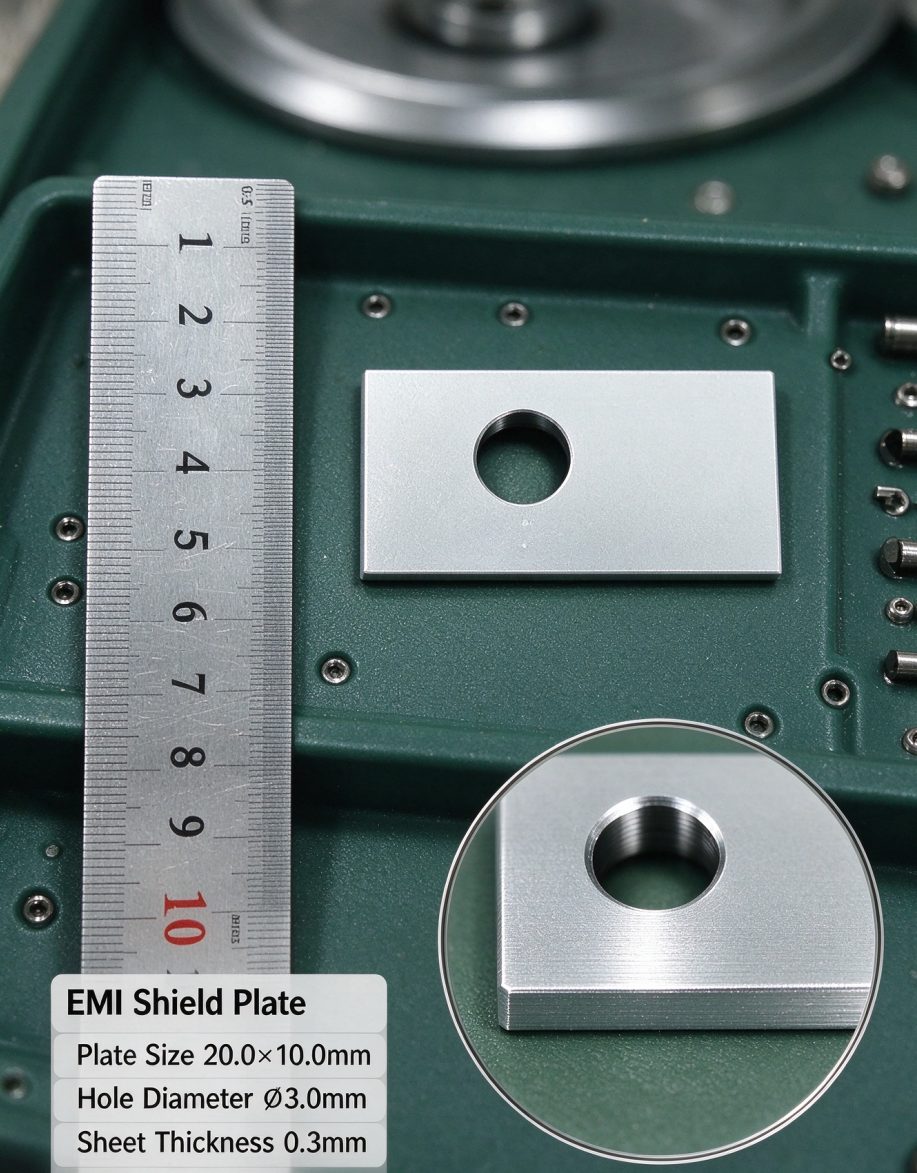
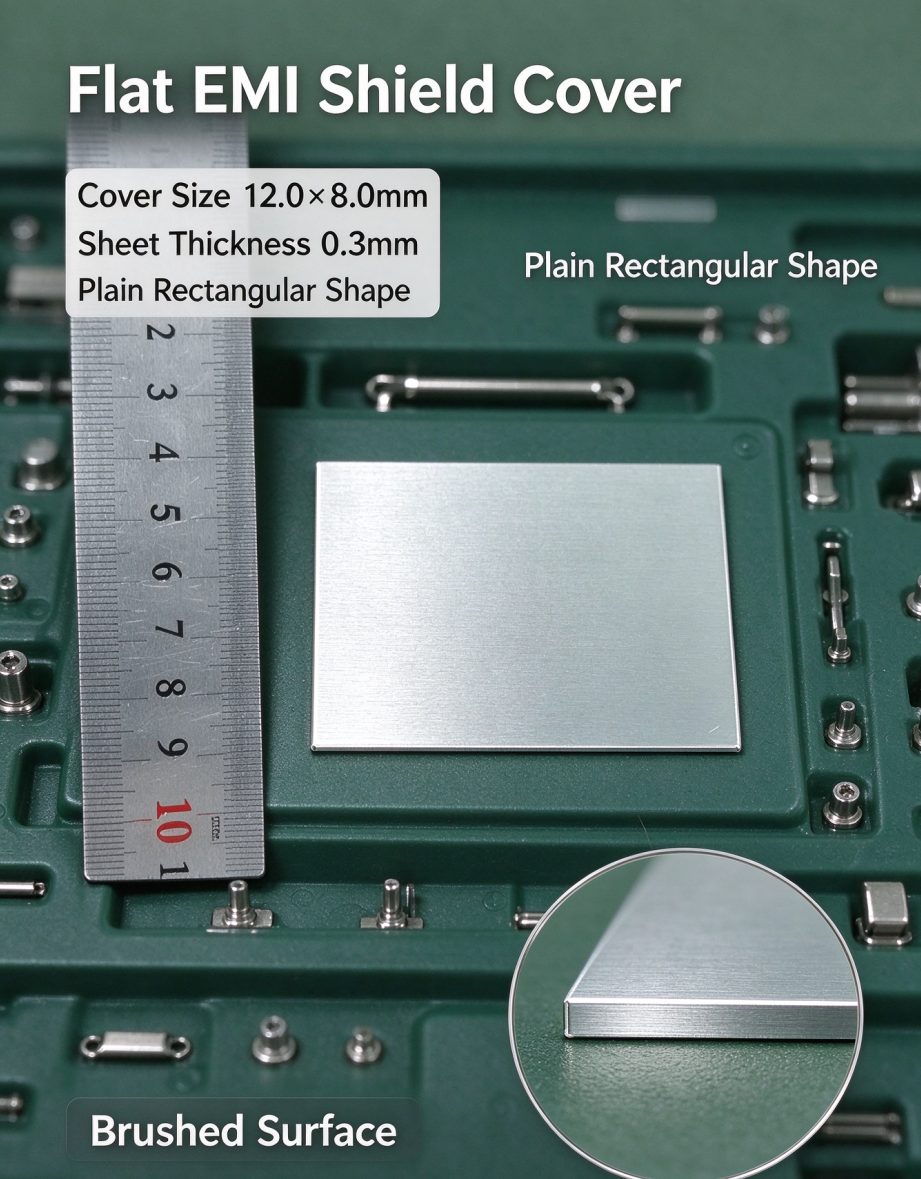
For additional information about related precision components, explore Qiyiguo's precision metal components and EMI shielding solutions.


How Should EV Terminal Quality Be Evaluated?

Quality evaluation should connect measurable product characteristics with the requirements of the intended vehicle system. A supplier's documentation is useful, but engineering teams should confirm that the evidence applies to the specific terminal design and production process under review.

Quality Factor Why It Matters Possible Verification Method
Contact resistance Influences electrical losses and localized heating Specified electrical resistance test
Dimensional accuracy Supports fit, alignment, and assembly consistency Optical measurement or coordinate measurement
Crimp integrity Supports electrical continuity and wire retention Crimp-height, pull-force, and cross-section testing
Mechanical retention Helps prevent unintended disconnection Insertion, extraction, or retention-force testing
Corrosion resistance Supports performance in the specified environment Applicable environmental or salt-spray testing
Traceability Supports investigation and production control Batch records and inspection documentation

Automotive purchasing teams should also review applicable quality management requirements, engineering change controls, process validation, and production approval documentation. Depending on the project, APQP, PPAP, FMEA, SPC, and MSA may form part of the quality planning and control framework.

Requirements should be confirmed with the supplier rather than assumed to apply universally. Likewise, compliance with automotive or environmental standards should be supported by relevant documentation for the specific product and manufacturing site.


How Can Buyers Select the Right Terminal Supplier?

Choosing an electric vehicle terminal supplier involves more than comparing unit prices. A suitable partner should understand the application, identify manufacturing risks, communicate technical limitations, and provide evidence that the product meets agreed requirements.

Before requesting a quotation, purchasing and engineering teams should prepare the following information:

  • Technical drawings: Include critical dimensions, tolerances, interface geometry, and revision information.
  • Electrical requirements: Specify current, voltage, allowable resistance, temperature rise, and insulation requirements where applicable.
  • Material specifications: Define the conductive alloy, temper, plating material, and coating thickness.
  • Operating environment: Describe vibration, temperature cycling, humidity, corrosion exposure, and expected service conditions.
  • Assembly requirements: Identify wire gauges, crimp tooling, connector housings, and automated production needs.
  • Validation criteria: Agree on inspection methods, acceptance limits, test plans, and documentation.
  • Commercial expectations: Confirm prototype quantities, forecast demand, lead times, packaging, and delivery arrangements.

Customization can be particularly valuable when a standard terminal cannot satisfy the required geometry or performance targets. A design-for-manufacturability review can help identify tooling constraints, simplify production, and reduce avoidable changes before mass production.

Qiyiguo presents its electric vehicle terminal manufacturing capabilities for customers evaluating precision conductive components. Buyers should discuss their drawings, target specifications, validation needs, and production plans directly with the company to determine project suitability.


Frequently Asked Questions

1. What is the main function of an electric vehicle terminal?

An electric vehicle terminal establishes a conductive connection between wires, cables, and electronic components. Its design helps maintain electrical continuity and mechanical retention under the operating conditions specified for the vehicle system.

2. Which materials are commonly used for EV terminals?

Common options include copper, brass, phosphor bronze, tellurium copper, and selected spring-copper alloys. The best choice depends on conductivity, strength, spring performance, manufacturability, cost, and environmental requirements.

3. Why is contact resistance important?

Excessive contact resistance can increase electrical losses and localized heating. Controlling contact geometry, surface condition, mating force, and manufacturing consistency helps achieve the resistance limits established for the application.

4. Can electric vehicle terminals be customized?

Yes. Depending on manufacturing capabilities, terminals can be developed around customer drawings and functional specifications. Customization may involve geometry, material, plating, tolerances, packaging, and assembly compatibility. Feasibility and validation requirements should be confirmed before production.

5. What should buyers request when evaluating a terminal manufacturer?

Buyers should request relevant technical specifications, material information, inspection results, applicable quality certifications, process-control documentation, and traceability arrangements. The required evidence should match the product and the intended automotive application.

6. How can I request a quotation for an electric vehicle terminal from Qiyiguo?

Visit the Qiyiguo Electric Vehicle Terminal product page and submit an inquiry. Providing drawings, material preferences, electrical requirements, estimated order quantities, and target delivery dates can help the company assess your request more efficiently.


Conclusion: Building More Reliable EV Connections

Electric vehicle terminals are small but essential components in modern automotive electrical systems. Their performance depends on the interaction of material selection, contact design, precision manufacturing, surface treatment, assembly control, and application-specific validation. For engineering teams and purchasing professionals, a systematic selection process can reduce connection risks, improve production consistency, and support long-term product reliability.

Whether you are developing a new EV platform, optimizing a wiring harness, or sourcing customized conductive components, Qiyiguo can be a starting point for discussing your terminal requirements. Review the Electric Vehicle Terminal product details, prepare your technical specifications, and contact us to discuss your project, request a quotation, and explore a suitable solution for your manufacturing needs.

Related News
Leave me a message
X
We use cookies to offer you a better browsing experience, analyze site traffic and personalize content. By using this site, you agree to our use of cookies. Privacy Policy
RejectAccept