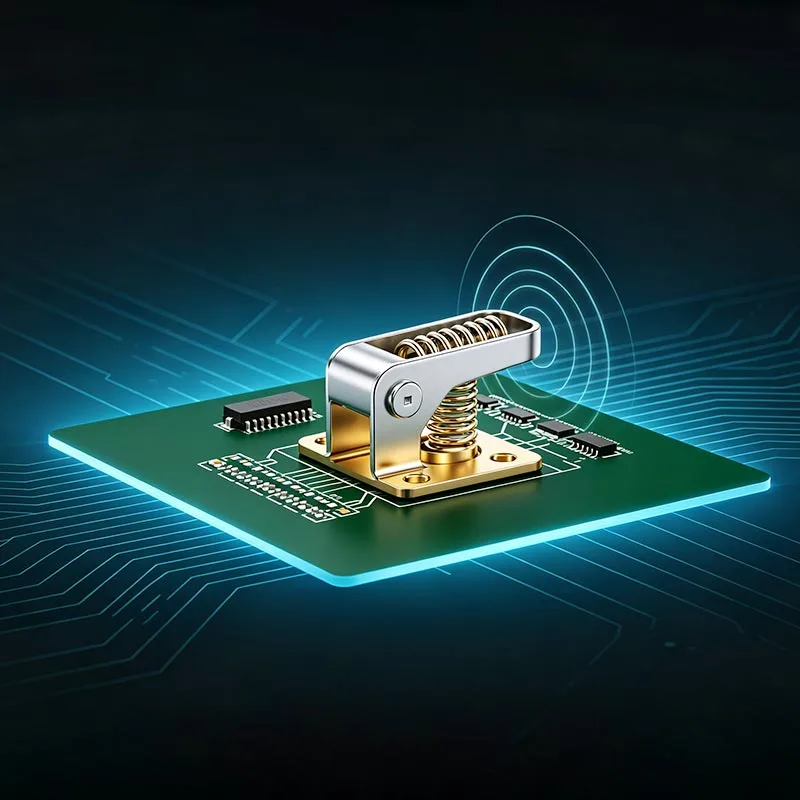
With the proliferation of 5G communications, high-refresh-rate displays, and multi-function chips on smartphones, electromagnetic interference on mainboards has become increasingly prominent. EMI shielding covers for smartphone mainboards, as precision metal components, are serving as critical physical barriers that protect radio frequency performance and system stability.
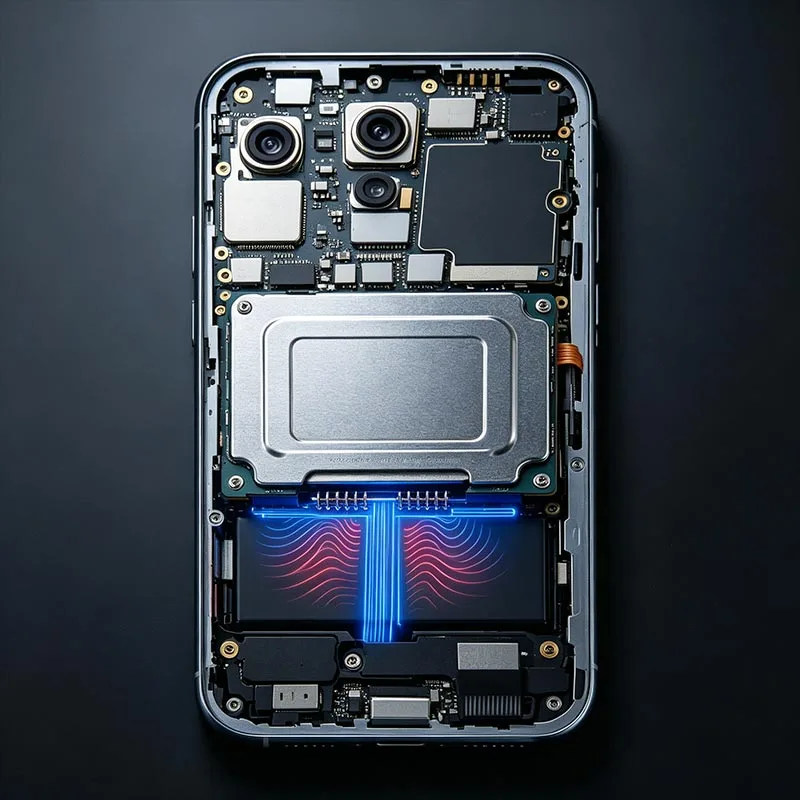
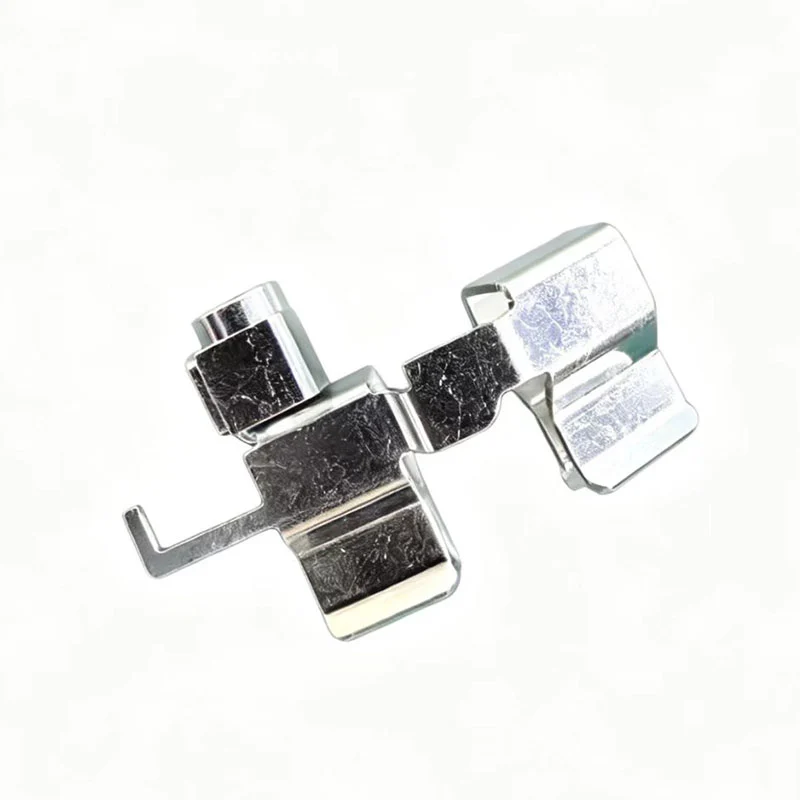
Shielding covers are typically manufactured from conductive materials such as nickel silver, stainless steel, or copper alloy, and are soldered onto the mainboard via surface-mount technology, covering specific areas that contain chips, power management modules, and RF front-end circuits. Their operating principle is based on the Faraday cage effect—the closed metal enclosure blocks external electromagnetic waves from entering while suppressing internal circuits from radiating outward, effectively preventing cross-interference between adjacent functional modules. In densely packed mainboard layouts, this isolation measure is particularly necessary.
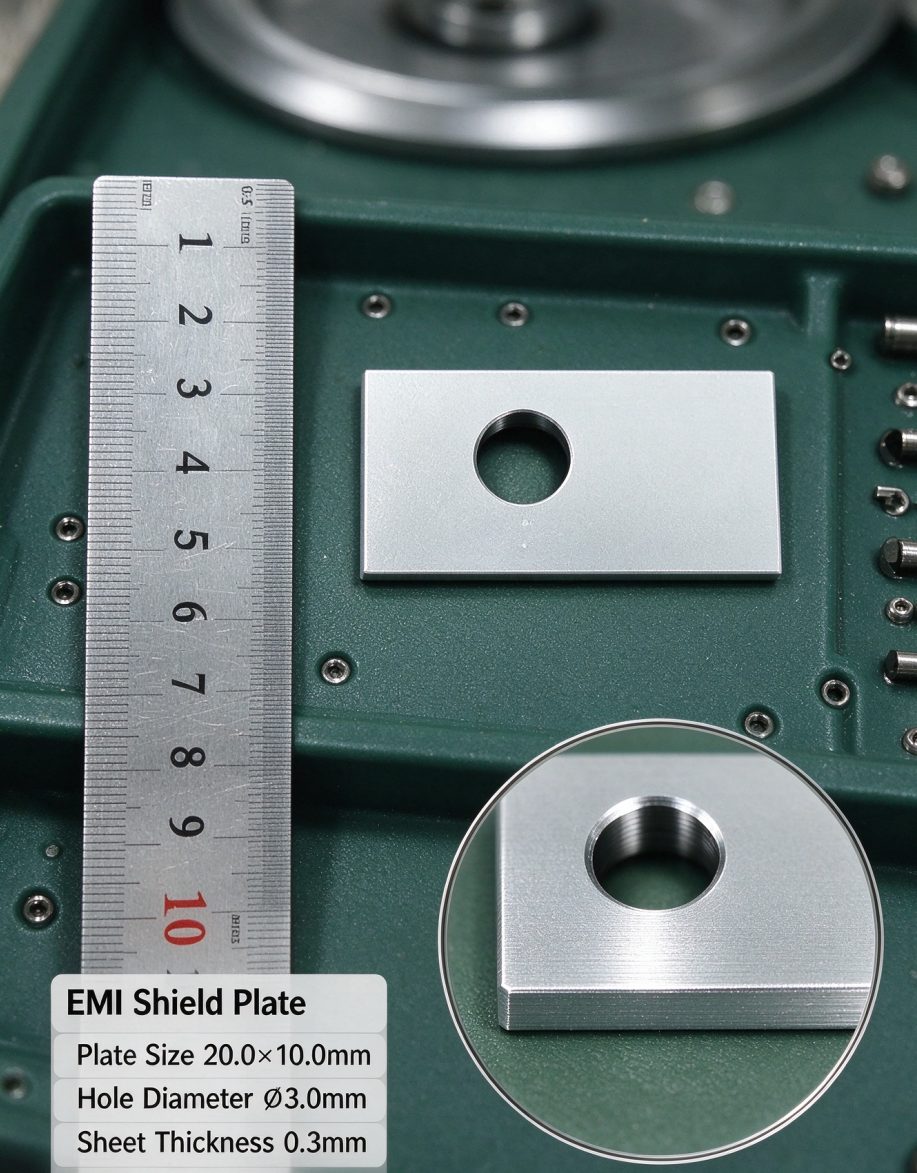
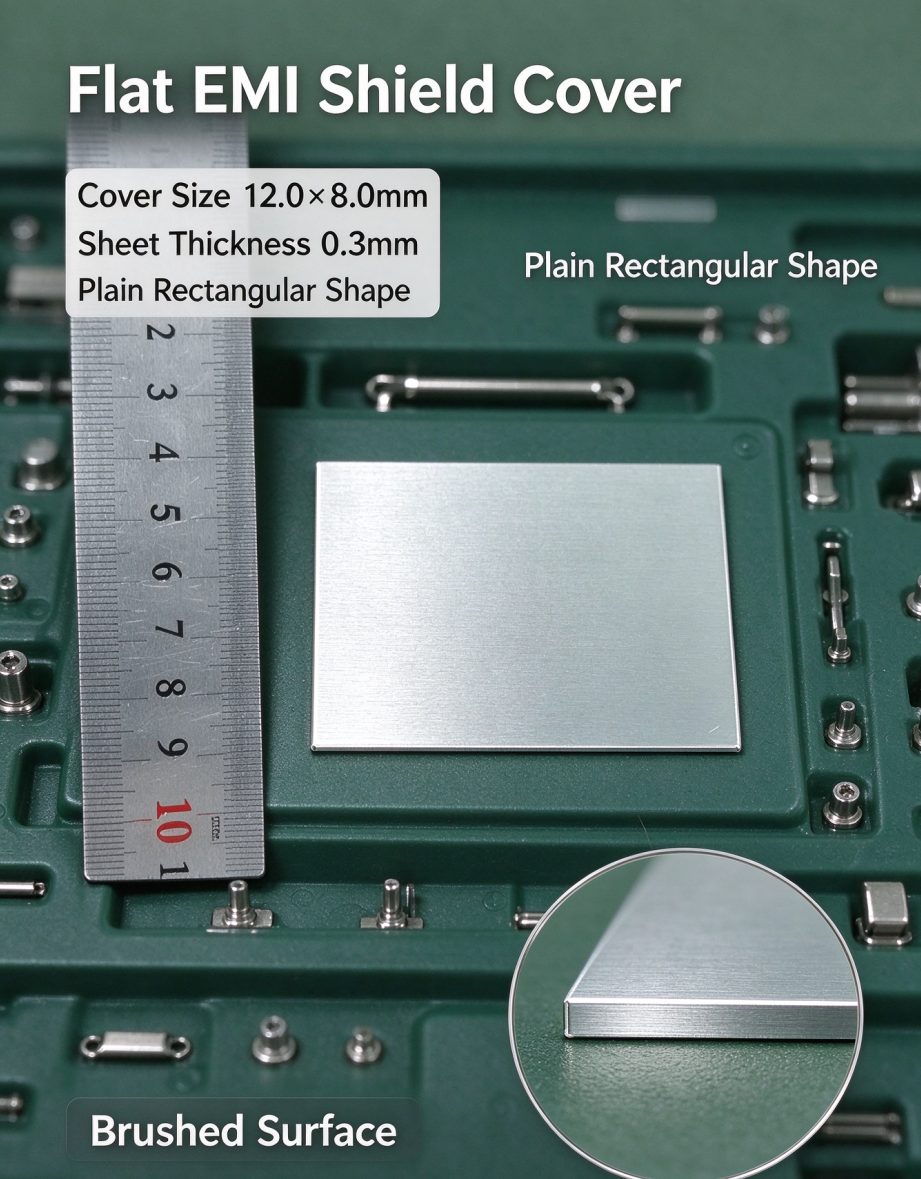
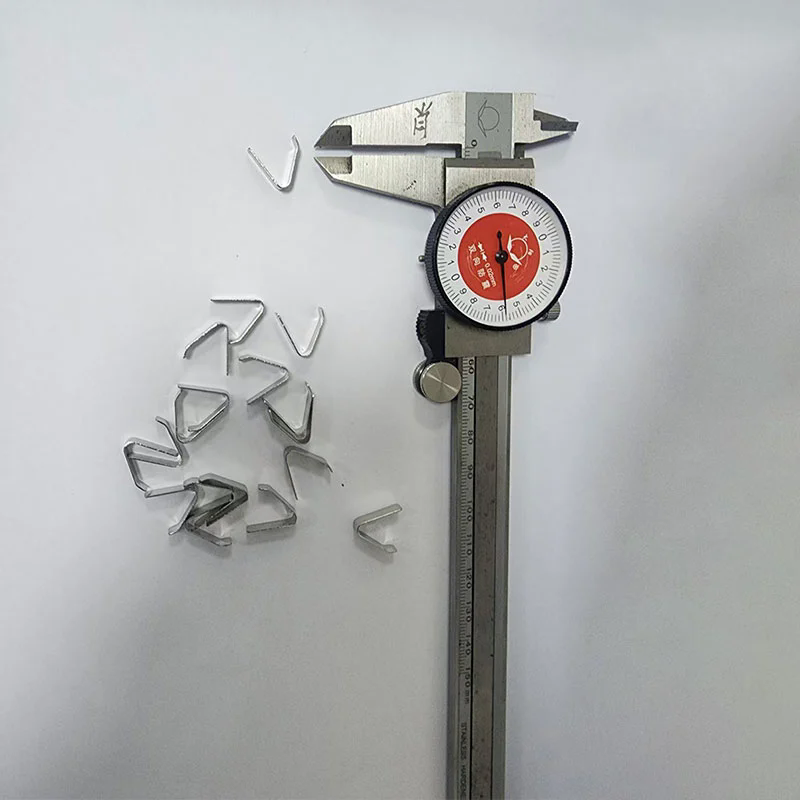
At the design level, modern shielding covers must balance electrical performance with spatial efficiency. Some products employ one-piece deep-drawing processes to ensure uniform wall thickness and eliminate gaps. Other solutions adopt detachable snap-fit structures that allow access to internal components for production testing and after-sales repairs. For ultra-thin devices with strict thickness constraints, shield height can be compressed to below 0.3 millimeters, while optimized aperture shapes and positions provide ventilation and heat dissipation. In terms of surface finishing, tin or silver plating reduces contact resistance and enhances solderability.
In manufacturing, shielding covers demand extremely high precision. Dimensional tolerances are typically controlled within ±0.05 millimeters to ensure accurate alignment with mainboard pads. For high-frequency 5G bands, shielding effectiveness must reach at least 40dB, with some demanding models requiring up to 60dB. To meet mass production requirements, stamping and laser cutting processes are widely adopted, supplemented by automated optical inspection to ensure consistency in appearance and dimensions.
As internal integration within smartphones continues to increase, EMI shielding covers are evolving from simple metal lids into multifunctional components that integrate shielding, thermal dissipation, and structural support. Their design optimization and material innovations are providing reliable guarantees for the coexistence of high-speed digital circuits and sensitive RF front-ends, supporting mobile communication devices in their continued march toward higher performance.
We use cookies to offer you a better browsing experience, analyze site traffic and personalize content. By using this site, you agree to our use of cookies. Privacy Policy