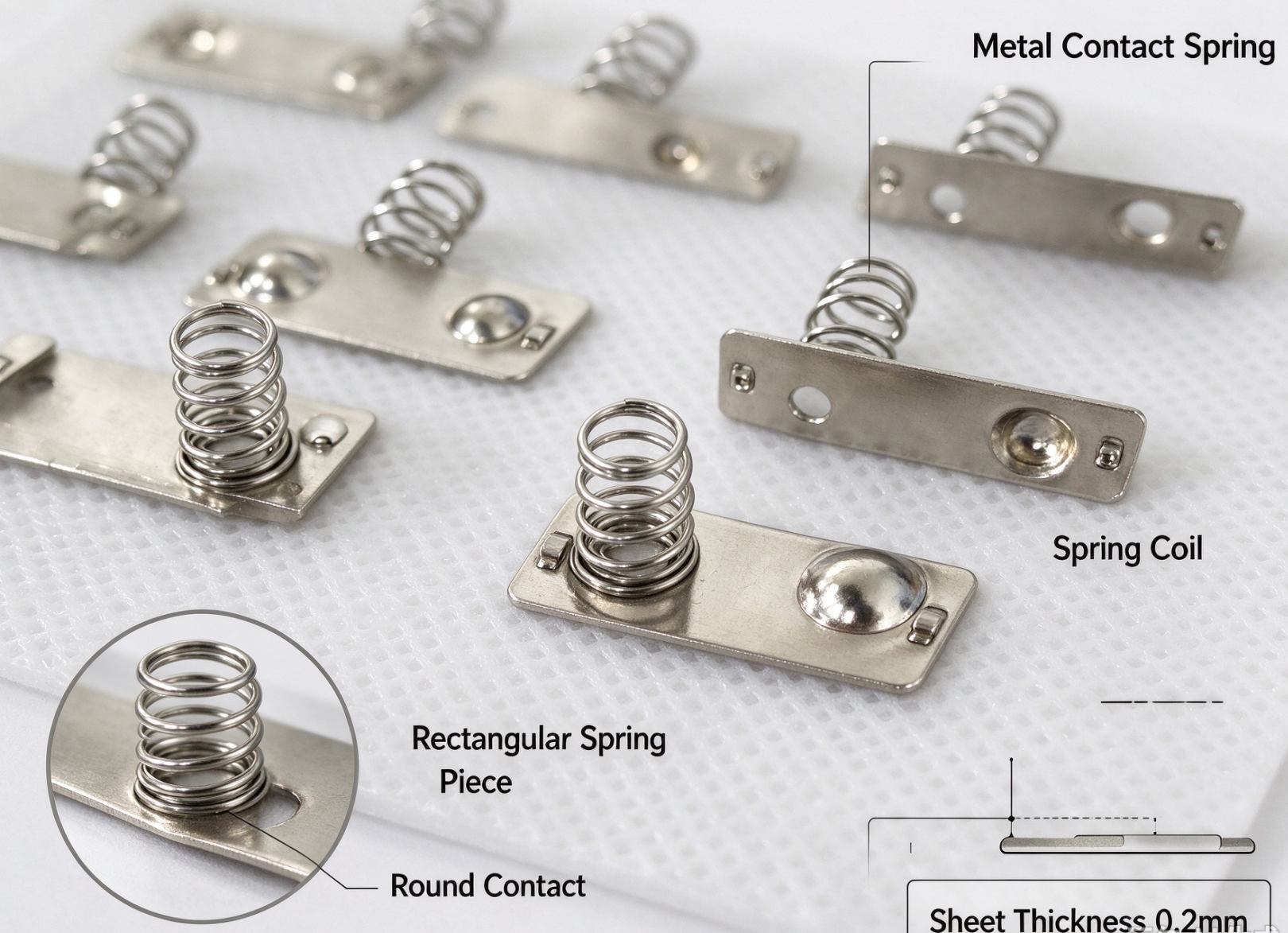
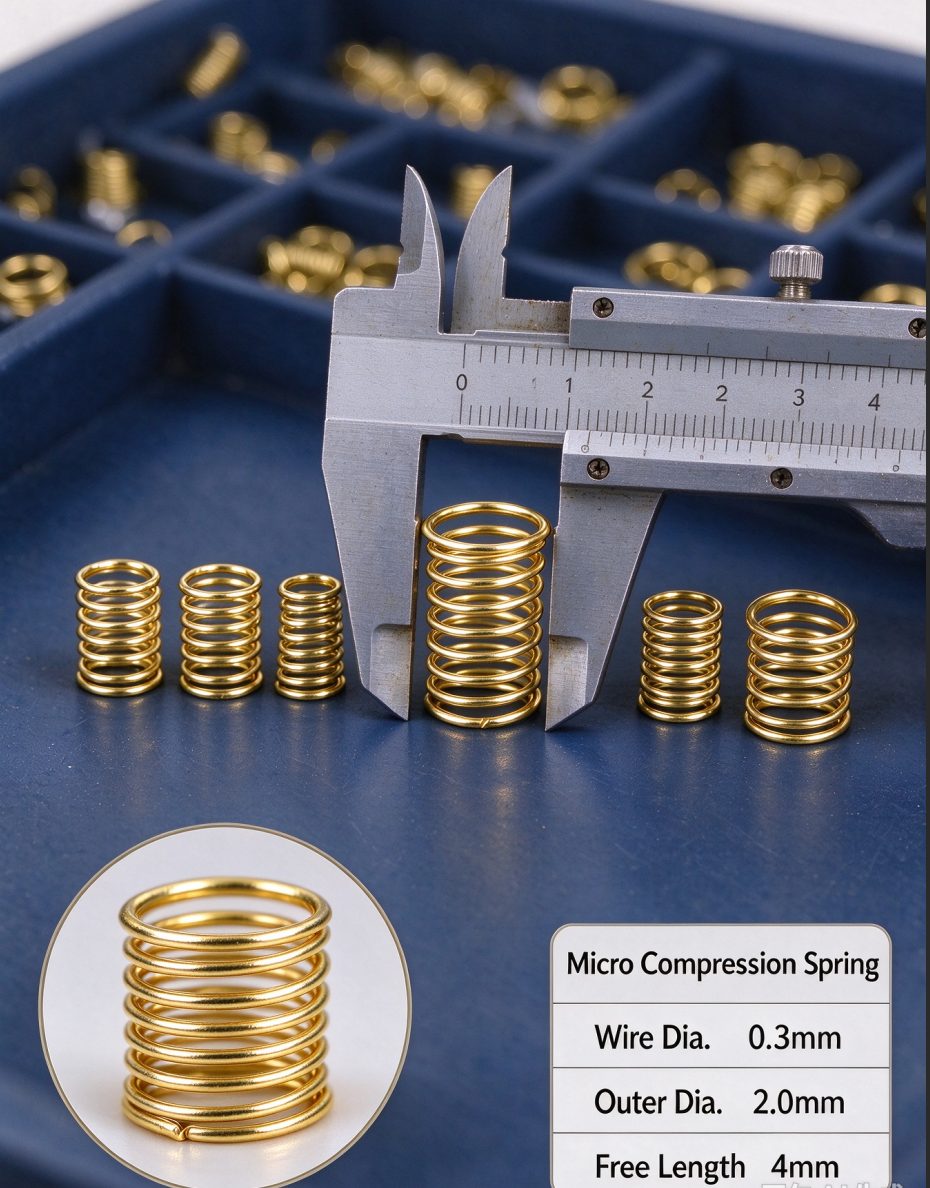
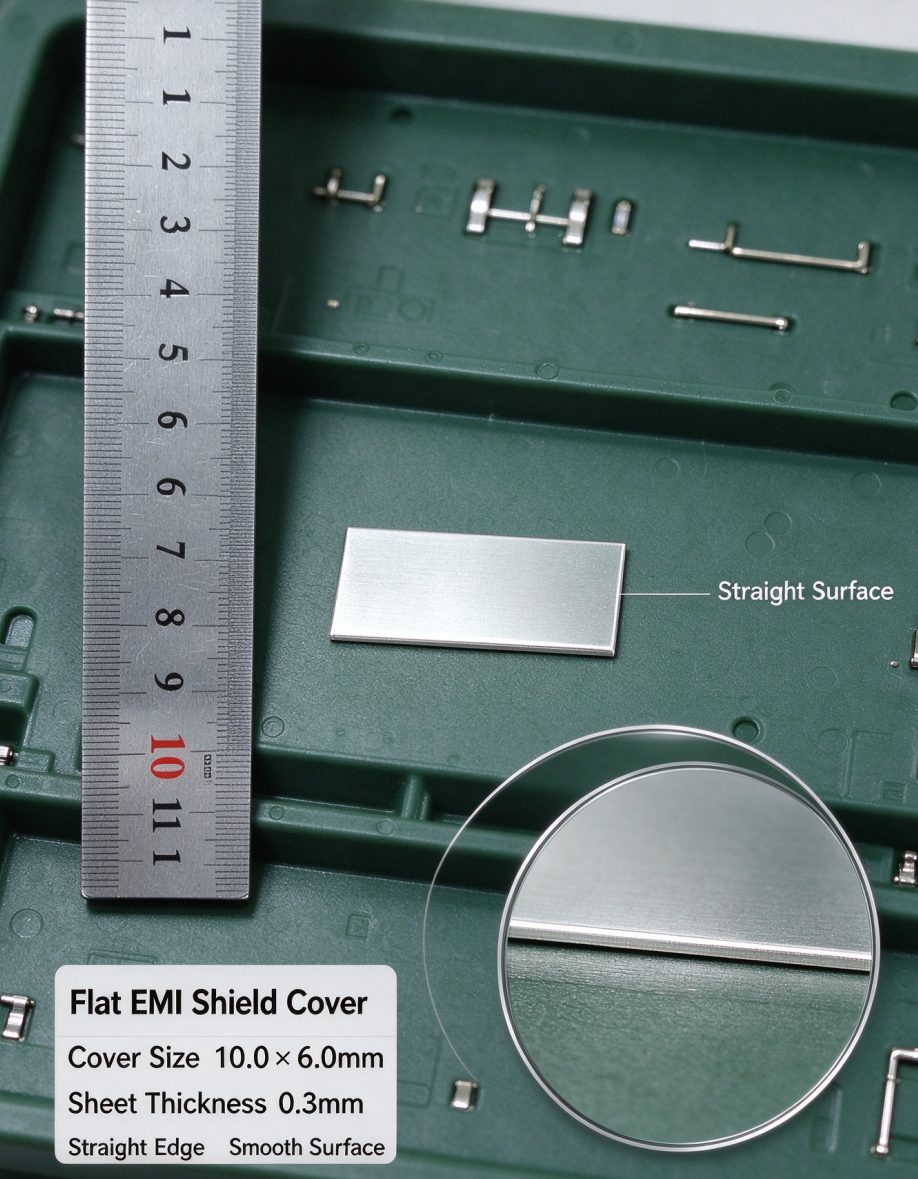
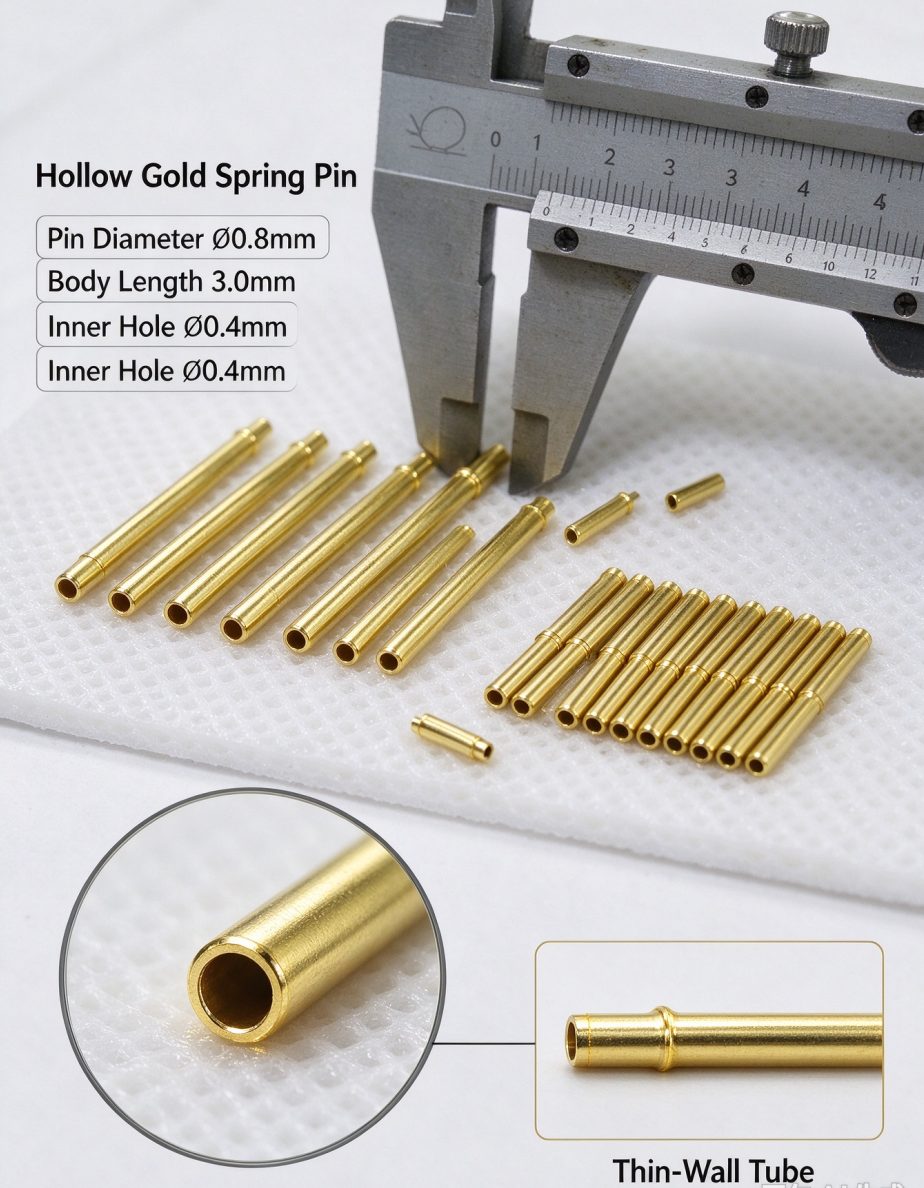
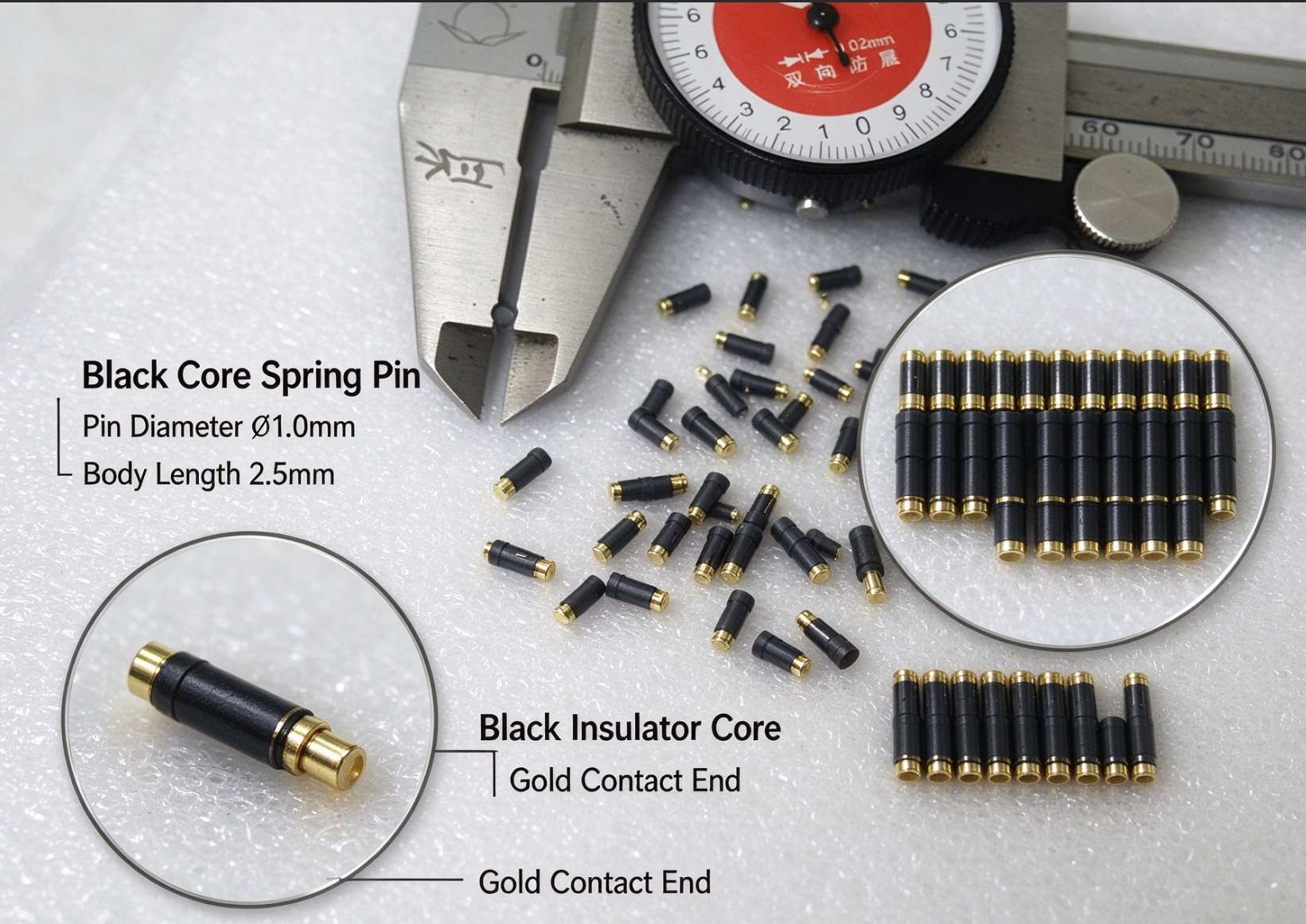
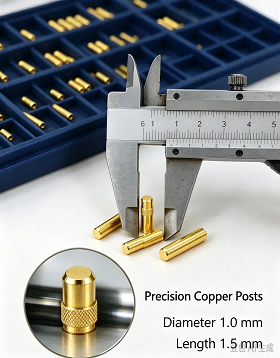
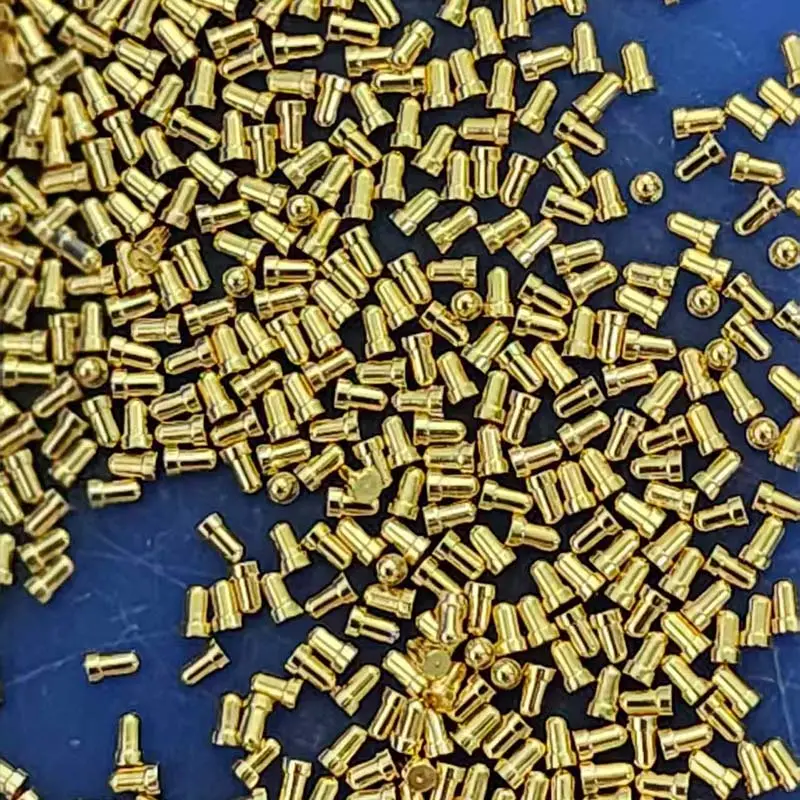
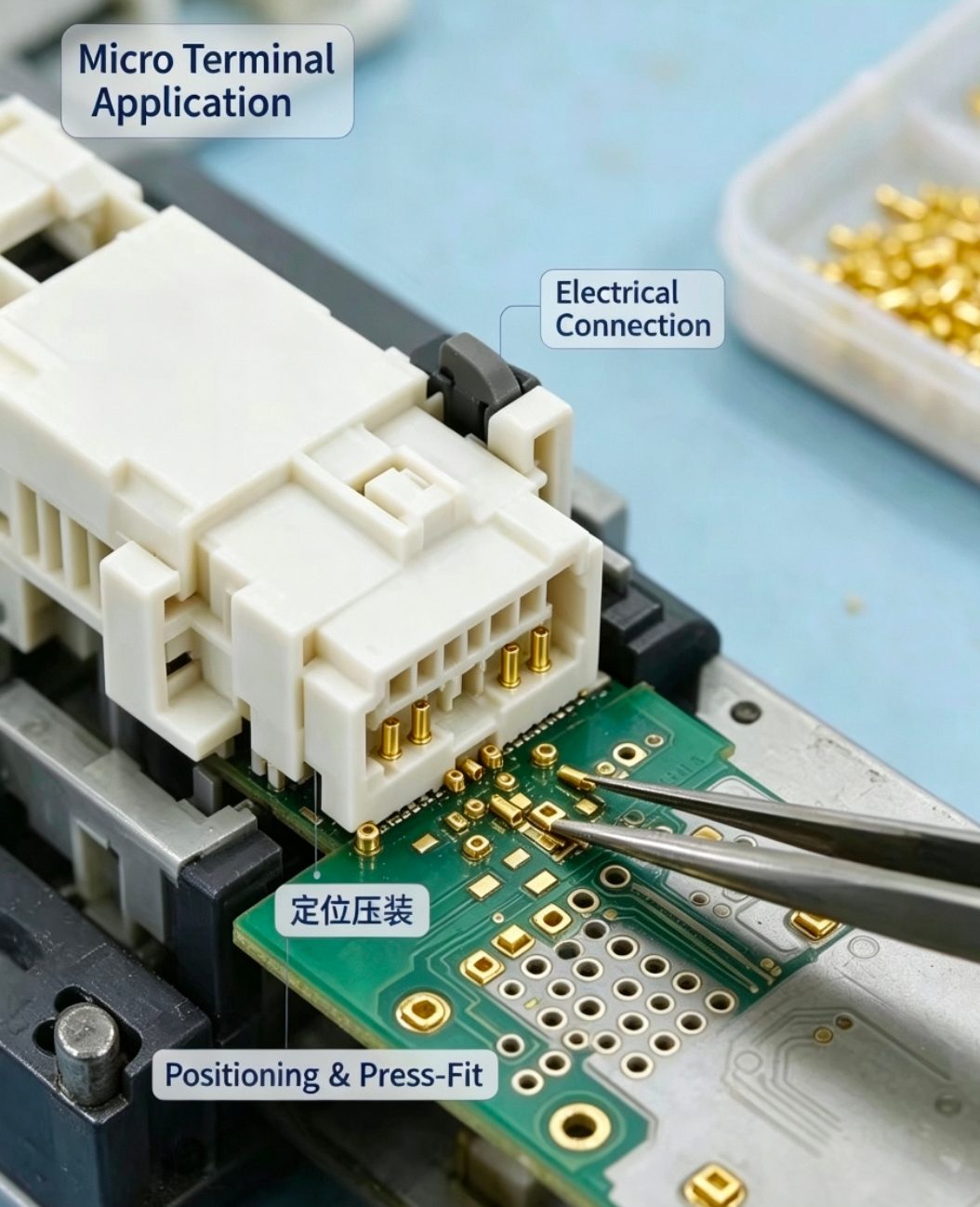
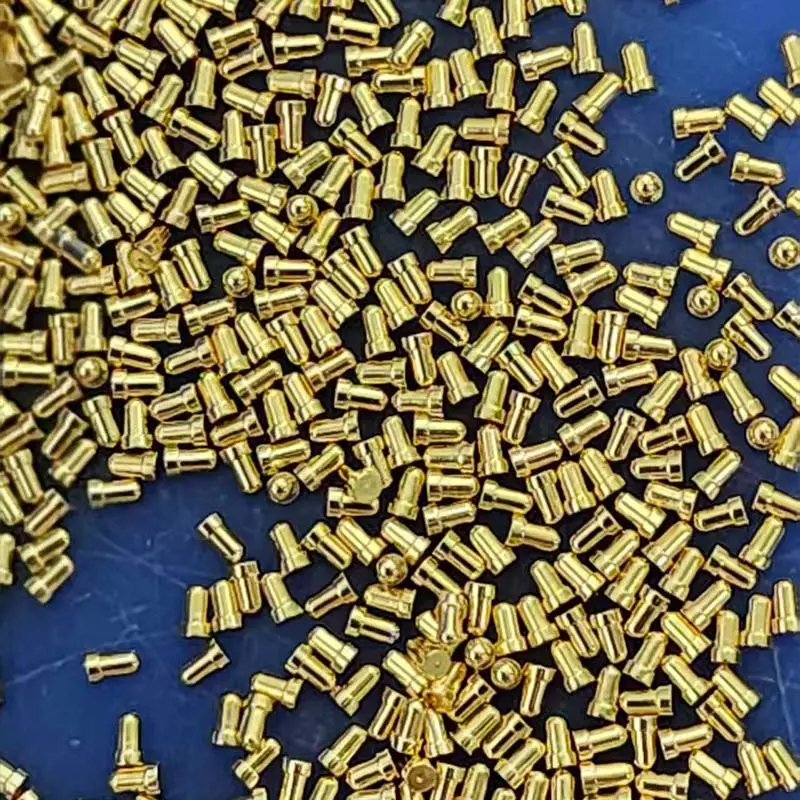
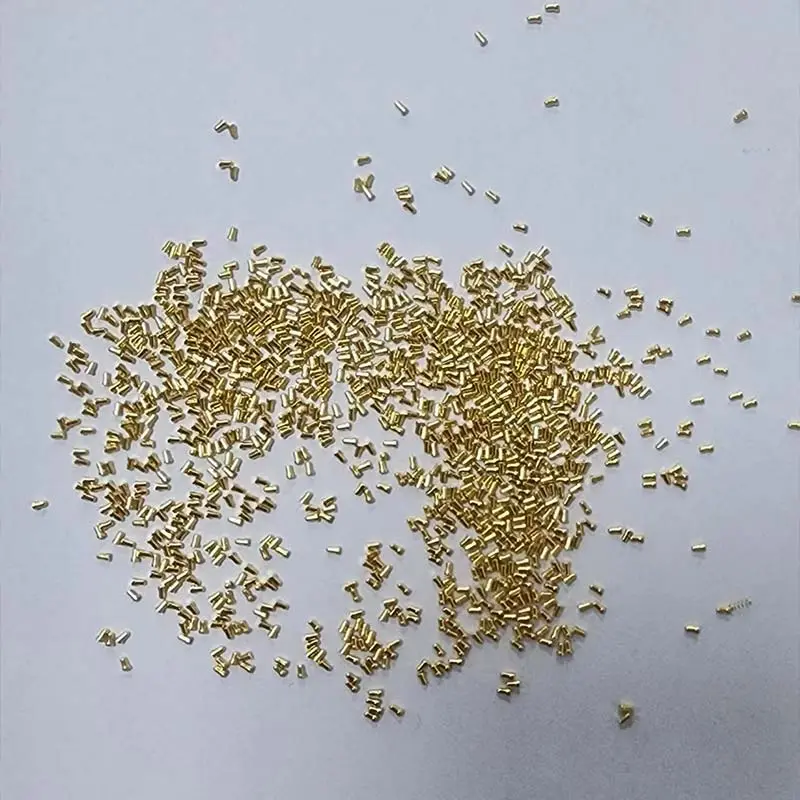
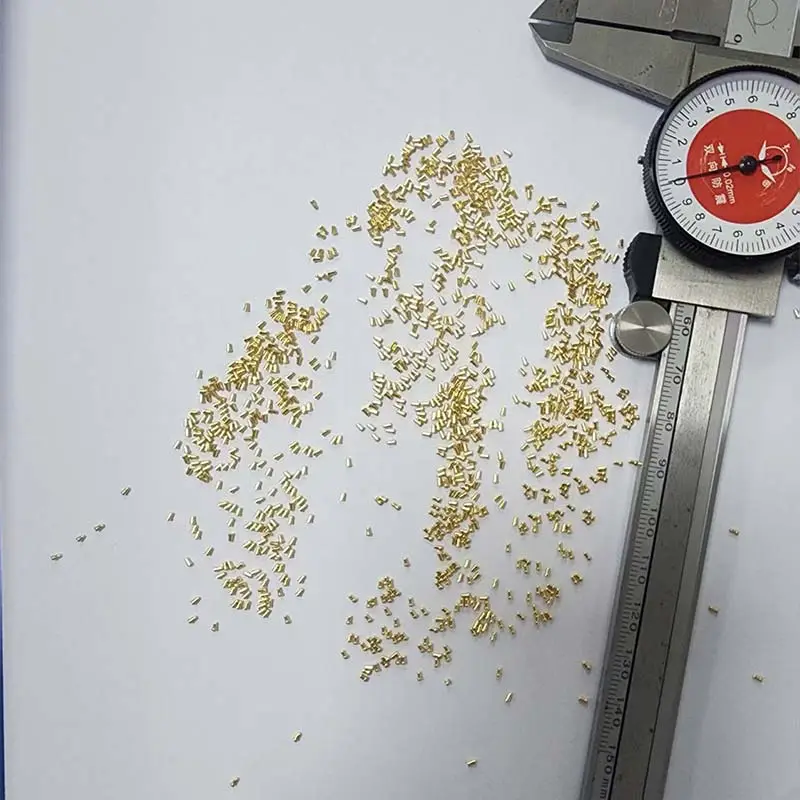
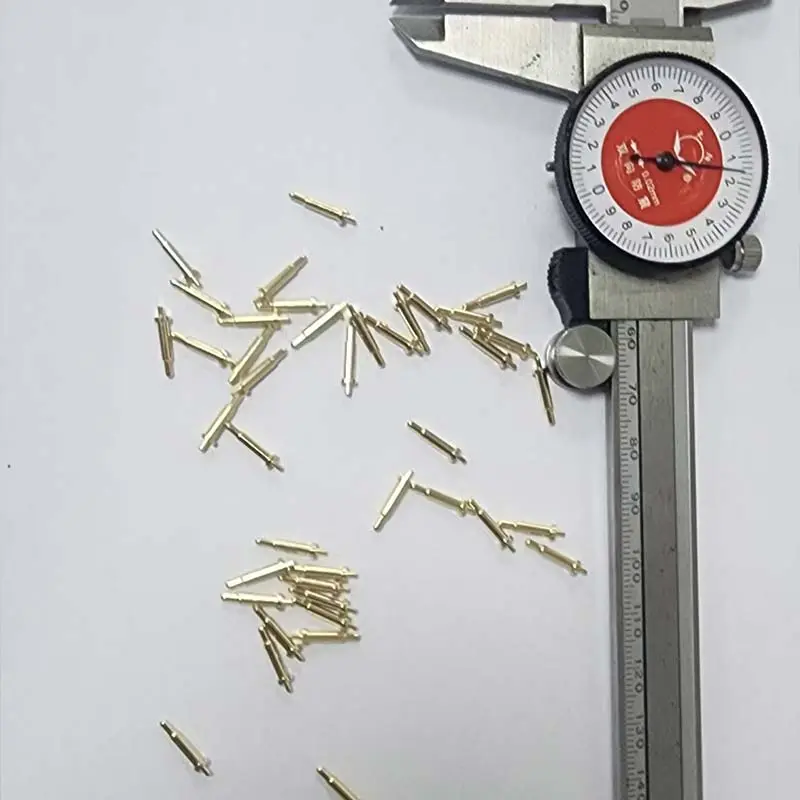
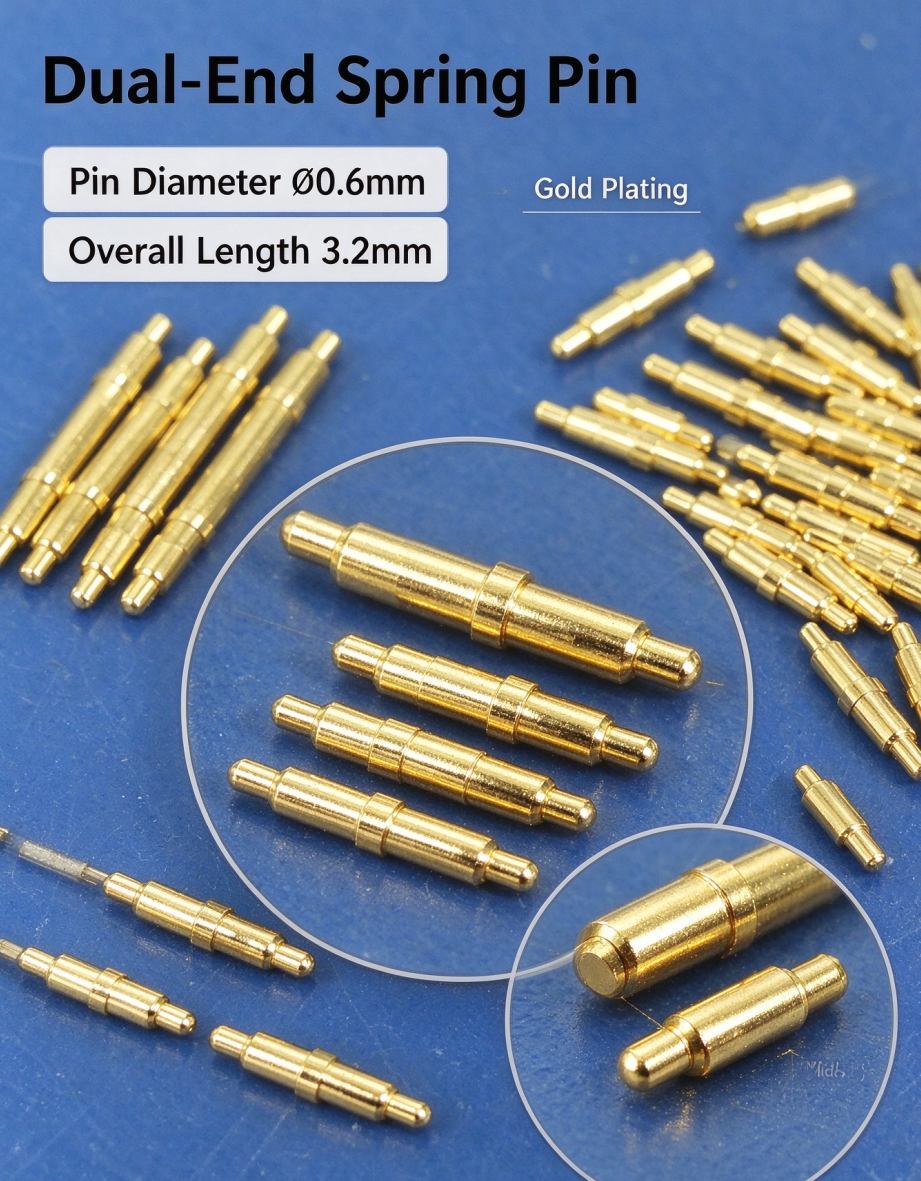
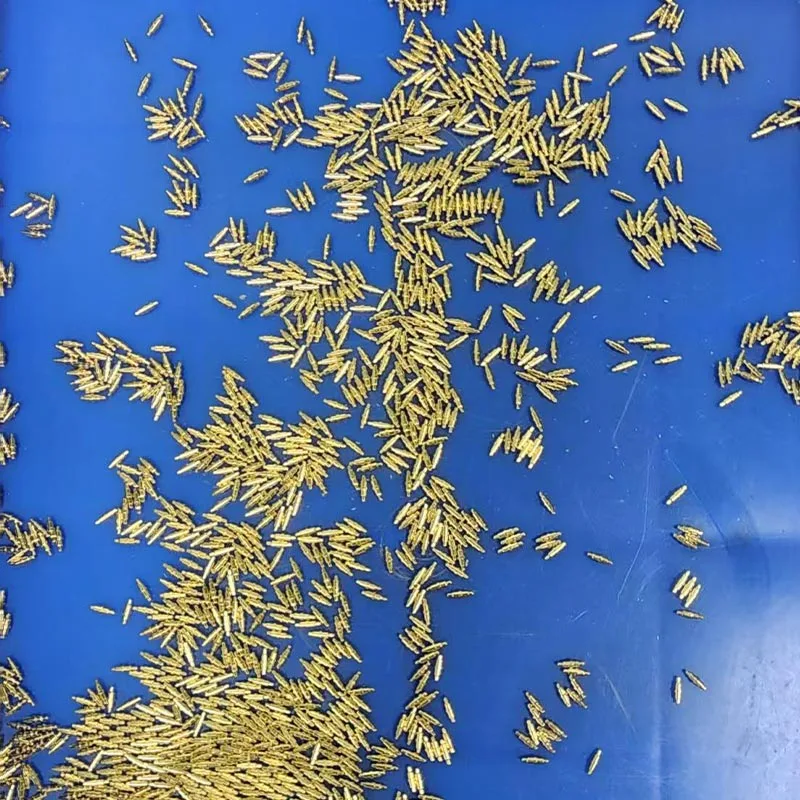
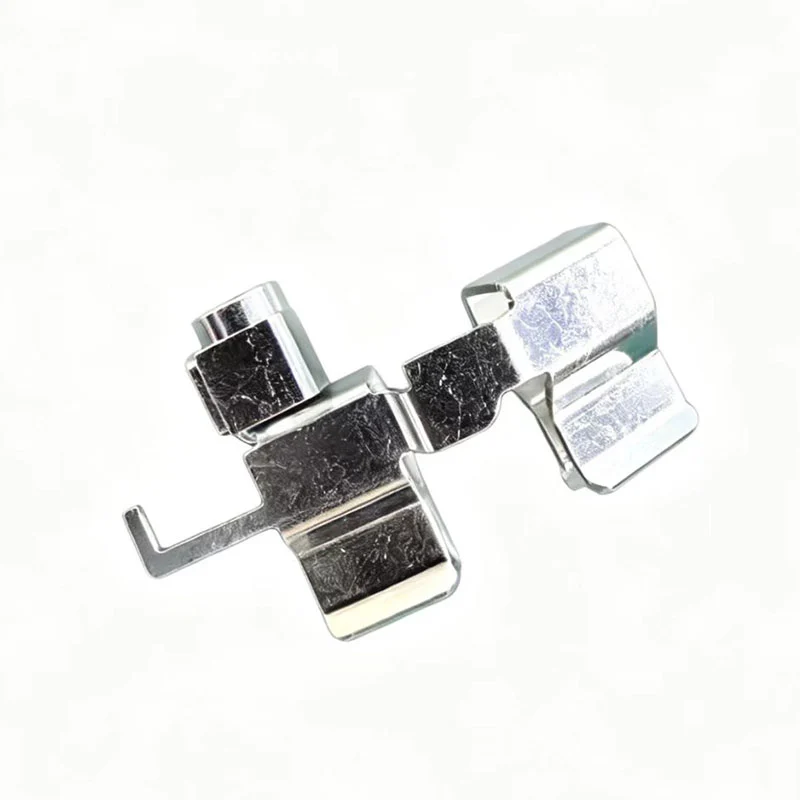
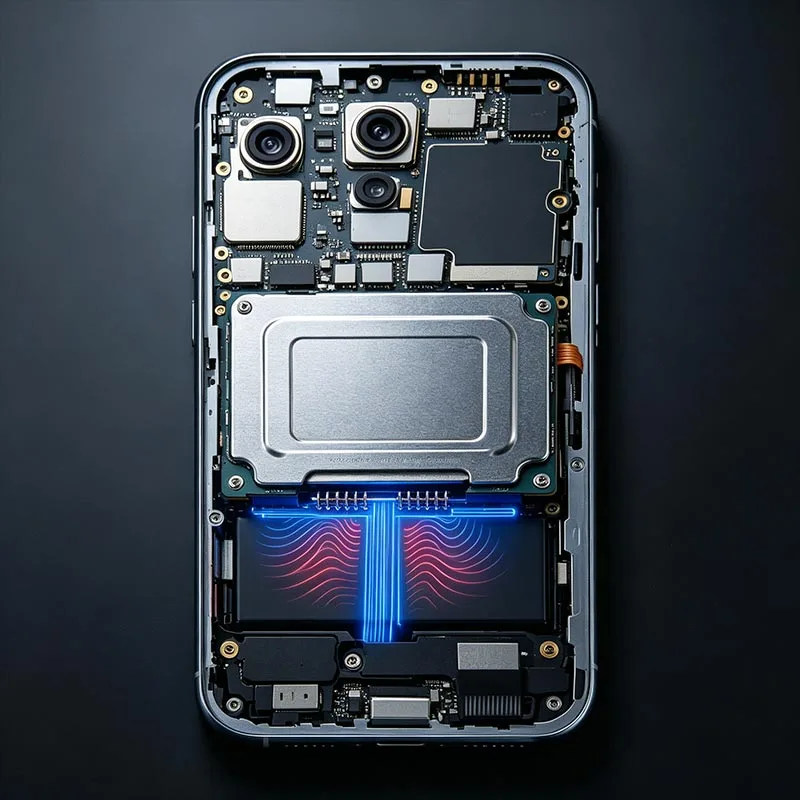
SMT Pogo Pins are mounted directly onto the PCB surface via bottom pads; they utilize an internal spring to drive the movement of the plunger, establishing an elastic connection with the mating pad or contact point. Qiyiguo Technology is a professional manufacturer and supplier of Pogo Pins in China; please feel free to contact us with any inquiries.
In the structural design of electronic products, engineers often face a dilemma: the need for a reliable electrical
connection between two components conflicts with the fact that traditional board-to-board connectors are too bulky
and consume valuable stacking space, while directly soldering wires sacrifices the flexibility of modular assembly
and disassembly.
This is particularly critical in miniaturized products such as smart wearables, TWS earbuds, and magnetic charging
devices where every millimeter of space is precious.
SMT Pogo Pins offer a solution to this challenge. Mounted directly onto the PCB surface via bottom pads, they
use an internal spring to drive the plunger, creating an elastic contact with the mating pad or contact point. This
approach enables convenient, plug-free connectivity while preserving design freedom for modular assembly and
disassembly.
Product Definition and Working Principle
The SMT Pogo Pin is a precision, elastic, and conductive connecting component based on a spring structure. It
features an SMT (Surface Mount Technology) pad design at the base, allowing it to be fixed directly onto a PCB via
reflow soldering.
Its core structure consists of three parts:
Plunger: The front contact section that interfaces directly with the mating component. It comes in various tip shapes
(flat, pointed, concave, blade-edge, etc.) and is gold-plated to ensure low contact resistance.
Spring: Located inside the barrel, it provides continuous axial force to the plunger, ensuring stable contact under
various vibration and tolerance conditions.
Barrel (Body/Tube): A hollow cylinder that houses the plunger and spring. Its base serves as an SMT pad for
attachment to the PCB via reflow soldering.
Working Principle:
The design utilizes an inclined-plane contact interface between the plunger and the inner wall of the barrel. The
base of the plunger is machined with an angled surface; when compressed, this angled surface presses firmly against
the inner wall of the barrel, creating a stable current path. Current flows in through the plunger, passes through
the barrel, and travels to the PCB via the bottom SMT pad. This inclined-plane structure effectively prevents
momentary power interruptions—even in high-frequency vibration environments—ensuring a low-impedance, highly stable
electrical connection.
Why choose SMT (Surface Mount Technology) over DIP (Dual In-line Package)?
Comparison Dimension
DIP Through-hole Spring Pins
SMT Surface-mount Spring Pins
Installation Method
Pass through PCB through-holes and fixed by wave soldering
Directly mounted on PCB surface and fixed by reflow soldering
Space Occupation
Requires reserved space for through-holes and back-side solder joints
Occupies only single-sided PCB area with lower profile height
Automation Compatibility
Needs through-hole insertion process with limited automation level
Fully compatible with SMT pick-and-place machines for high production-line efficiency
Soldering Consistency
Wave soldering affected by board thickness and hole position
Controllable reflow temperature profile for superior soldering consistency
Design Flexibility
Restricted by PCB through-hole layout
Can be placed anywhere on PCB for more flexible layout
Application Scenarios
Large-size and low-density products
Miniaturized, high-density and mass-automated production products
The core value of SMT Patch Pogo Pins lies in the seamless integration of the pin's connection function with standard
SMT manufacturing processes. This allows the pogo pin solution to be incorporated directly into existing SMT
production lines without the need for additional through-hole insertion or wave soldering steps, thereby
significantly reducing manufacturing complexity and costs.
Application Scenarios
● Smart Wearables: Magnetic charging contacts for smartwatches and fitness trackers, and charging interfaces for
health monitoring devices; the compact size and waterproof-friendly design of SMT Patch Pogo Pins perfectly meet the
requirements for slim profiles and sealing in wearable devices.
● TWS Bluetooth Earbuds: Internal pogo pin contacts in charging cases for earbud charging; their minimal footprint
and high mating cycle lifespan (over 100,000 cycles) accommodate the frequent insertion and removal associated with
earbud usage.
● Consumer Electronics Charging: Magnetic charging docks for smartphones and tablets, and auxiliary positioning
contacts for wireless charging; the spring-loaded mechanism automatically compensates for assembly tolerances,
ensuring reliable contact.
● Modular Device Board-to-Board Connections: Connections between drone core boards and video transmission modules,
detachable robotic joints, and hot-swappable keyboards for high-end laptops; the solder-free mating capability
greatly simplifies assembly and maintenance.
● Medical Electronic Devices: Portable devices such as blood glucose meters and heart rate monitors; smooth surfaces
and seamless designs facilitate cleaning and disinfection, while corrosion resistance meets the demands of medical
environments.
● Test Fixtures: ICT/FCT test probes; high precision and consistency ensure the reliability of automated testing.
Material Selection and Process Characteristics
Component
Common Materials
Process Features
Pin Tip
Brass C3604, Phosphor Bronze C5191
Precision turning process with gold-plated surface to guarantee low contact resistance and wear
resistance
Barrel
Brass C3604, Phosphor Bronze C5191
Formed by deep-drawing process with precision-machined inner wall for stable contact against pin tip
bevel
Spring
Stainless steel wire, piano wire
Special heat treatment for long-lasting stable elasticity with service life over 100,000 cycles
SMT Solder Pad
Integrally formed with barrel
Strict flatness control on bottom surface to ensure coplanarity during reflow soldering
What are the available surface treatment options?
Gold Plating (Flash Gold / Hard Gold): The most common solution; offers oxidation resistance and stable, ultra-low
contact resistance; suitable for the vast majority of applications.
● SMT Pad Coplanarity: Strictly controlled to ensure high reflow soldering yields
● Pitch Specifications: Supports various pitches including 1.27mm, 2.0mm, and 2.54mm
● Product Compliance: Meets RoHS 2.0 and REACH environmental standards
Quality Control & Certification Support
Qiyiguo Technology holds ISO 9001 and IATF 16949 dual certifications and is equipped to serve global Tier... ...and
comprehensive quality management capabilities for OEM clients.
Testing Equipment:
● Optical Projector & CMM (Coordinate Measuring Machine) – Dimensional accuracy and pad coplanarity inspection
● Salt Spray Chamber – Corrosion resistance testing
● Life Cycle Tester – Mating/unmating durability verification
Traceability:
Complete production and inspection records are maintained for every batch of SMT Pogo Pins, ensuring full
traceability from raw material intake to finished product shipment, thereby meeting the automotive industry's strict
requirements for supply chain transparency.
Customization Services & Partnership Models
Qiyiguo Technology offers end-to-end customization services, ranging from design review to mass production delivery:
● Design Support: Customers provide drawings or functional specifications (outer diameter, travel, spring force,
current rating, pitch, etc.); our engineering team completes DFM (Design for Manufacturability) assessments within
48 hours, covering aspects such as plunger tip optimization, spring force matching, SMT pad design recommendations,
and plating solutions.
● Rapid Prototyping: Prototyping lead times are 3–5 working days for simple structures and 5–7 working days for
complex ones; small-batch validation is supported.
● Mass Production Delivery: Supports various packaging options—tape-and-reel (compatible with SMT pick-and-place
machines), bulk, and tube packaging—to meet diverse assembly requirements.
● Delivery Models: Supports VMI (Vendor Managed Inventory) and JIT (Just-In-Time) delivery to align with customer
lean manufacturing needs.
● Minimum Order Quantity (MOQ): Flexible terms allowing for a smooth transition from prototype validation to
high-volume mass production.
FAQ
Q1: What is the difference between SMT Patch Pogo Pin and Push-in Press-fit Pogo Pin?
A1: SMT Pogo Pins are surface-mounted on PCB pads via reflow soldering and use an internal spring to provide axial
travel for dynamic contact with mating surfaces. Push-in press-fit Pogo Pins are mechanically pressed into PCB
plated through-holes without soldering, using radial gripping force from a "fish-eye" elastic structure. SMT types
suit removable/dynamic connections; press-fit types suit permanent, solder-free board-to-board connections.
Q2: Can SMT Pogo Pins withstand standard reflow soldering temperatures?
A2: Yes. SMT Pogo Pins are designed to withstand standard reflow soldering profiles with peak temperatures up to
260°C. Our barrel and plunger materials, along with high-temperature spring wire, maintain dimensional stability and
spring performance through the soldering process. We recommend verifying reflow profile compatibility with our
engineering team for your specific assembly conditions.
Q3: What is the typical mechanical life of SMT Pogo Pins?
A3: Standard SMT Pogo Pins offer a mechanical life of ≥100,000 compression cycles. This is achieved through precision
spring heat treatment and hard gold plating on the plunger to minimize wear. For applications requiring extended
life, we offer customized designs with enhanced materials to achieve up to 200,000–500,000 cycles.
Q4: What plunger tip styles are available and how do I choose?
A4: Common tip styles include: flat tip — general-purpose for standard pad contacts; pointed tip — for piercing oxide
layers on uneven surfaces; concave tip — for mating with ball or curved contacts; blade/knife-edge tip — for sliding
or wiping contacts. Selection depends on your mating surface geometry and contact angle requirements. Our
engineering team provides free tip-style recommendations.
Q5: What is the minimum mounting height achievable with SMT Pogo Pins?
A5: With an outer diameter range of 0.4mm–3.0mm and overall height customizable from 2.0mm upwards, we can achieve
ultra-low profile heights to meet the strict space constraints of wearable devices and TWS earbuds. Plunger travel
is typically 0.3mm–2.0mm, selected based on your assembly tolerance stack-up requirements.
Q6: Are SMT Patch Pogo Pins compatible with automated pick-and-place assembly?
A6: Yes. SMT Pogo Pins are supplied in tape-and-reel packaging compatible with standard SMT pick-and-place machines.
Bottom pad coplanarity is strictly controlled to ensure high reflow soldering yields. The entire assembly process
integrates seamlessly into your existing SMT production line without requiring additional through-hole insertion or
wave soldering steps.
If you have customization demands or bulk procurement plans for EMI shielding components, precision metal parts and pogo pin products, please send your inquiry here. Our professional engineering and sales team will provide DFM evaluation, customized solution design and exclusive quotation within 48 hours, supporting long-term OEM and ODM cooperation.
We use cookies to offer you a better browsing experience, analyze site traffic and personalize content. By using this site, you agree to our use of cookies. Privacy Policy