News

News

Why Is the EMI Conductive Spring the Indispensable Core Component for Reliable High-Performance EMI Shielding Systems in Modern Electronic Design

2026-10-15 0 Leave me a message

Article Abstract: As consumer electronics, automotive electronics, 5G communication, and high-end industrial control systems push operating frequencies to unprecedented levels, engineers are facing growing persistent challenges of assembly gaps, tolerance accumulation, and surface irregularities that break the continuity of Faraday cage shielding designs, resulting in costly EMI shielding leakage failures. Qiyiguo Technology, the leading professional manufacturer of precision resilient metal EMI components, has developed the high-reliability EMI Conductive Spring that eliminates these pain points completely, delivering stable low-impedance electrical connections across shielding interfaces without sacrificing long-term durability. This blog explores the working principle, material options, core performance parameters, real-world application value, and customization advantages of this game-changing shielding solution, helping electronic design teams create robust shielding systems that achieve 60dB to 100dB system-level shielding effectiveness for their products.

EMI Conductive Spring

Table of Contents


1. What Is the Core Working Principle of the EMI Conductive Spring for EMI Shielding System Integrity?

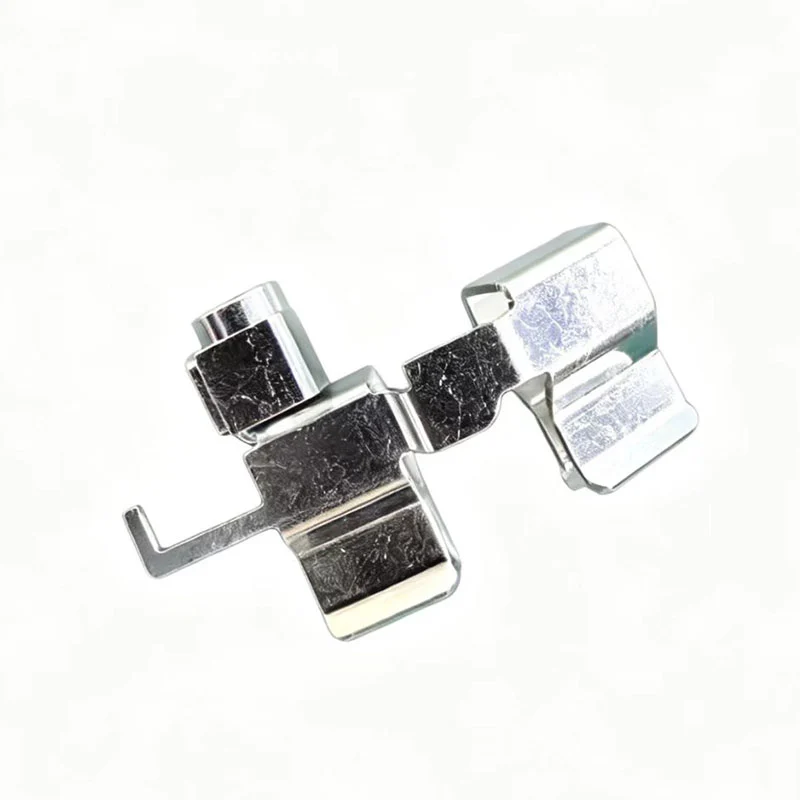
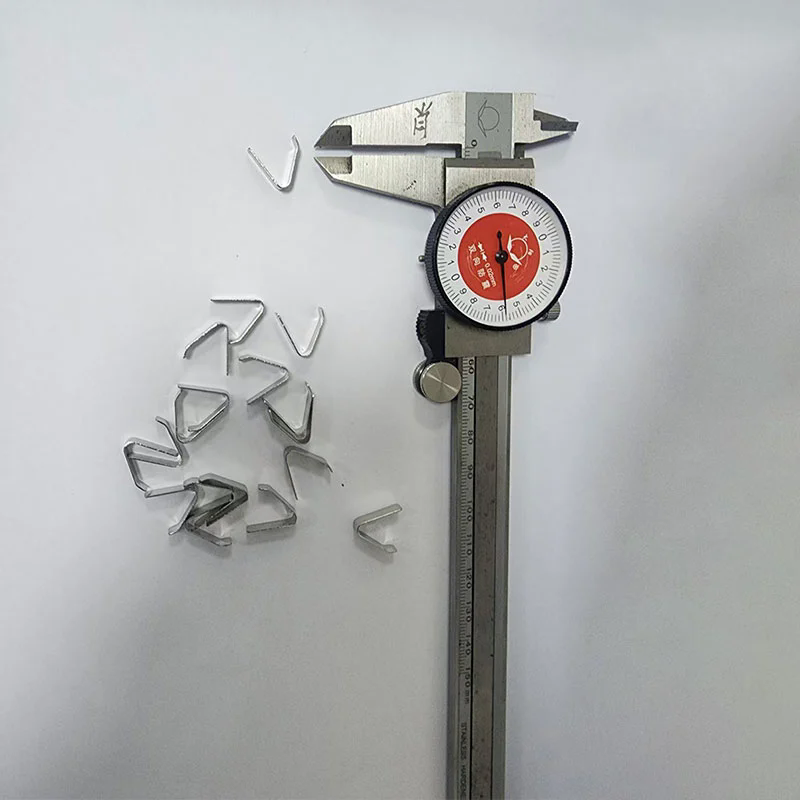
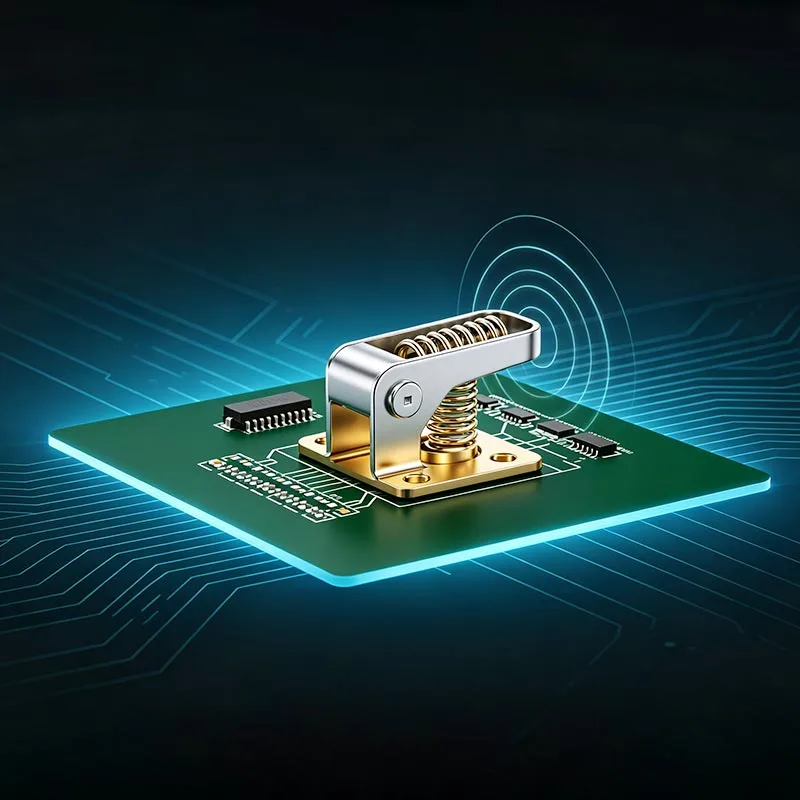
The EMI Conductive Spring developed by Qiyiguo Technology is a precision resilient metal component produced via advanced precision stamping or CNC machining processes. It generates stable, predictable contact force through controlled elastic deformation, establishing reliable low-impedance electrical connections between pairs of critical interfaces that need continuous conductivity, including shielding cavities and PCB ground planes, metal housings and chassis, or connector shells and grounding surfaces. Its core design purpose is to solve the long-standing engineering problem that traditional rigid EMI shielding design cannot address: gaps created by tolerance accumulation, uneven surface finishes, and unavoidable assembly misalignment at mating interfaces, which cause shielding leakage that breaks the complete Faraday cage performance that engineers rely on for effective EMI containment.

Compared to traditional shielding solutions that engineers commonly used in the past such as conductive foam or conductive rubber, the EMI Conductive Spring delivers distinct performance improvements that include fully controllable consistent contact force even after thousands of compression cycles, far superior high-temperature resistance that does not degrade in harsh operating environments, and perfect structural compatibility with modern high-speed automated SMT assembly production lines. These inherent advantages have led to its rapid widespread adoption across all high-reliability electronic product sectors from automotive electronics to 5G communication infrastructure in recent years.


2. How Does the Full Material Grade System of the EMI Conductive Spring Match Different Engineering Environment Requirements?

Qiyiguo designs the EMI Conductive Spring with a comprehensive selection of specialized metal material grades, each formulated to deliver specific advantages that match the unique operating environmental requirements of different projects. The comparison table below breaks down all available material options, their core advantages, and their ideal typical applications for your quick reference:

Material Grade Core Advantages Typical Target Applications
Beryllium Copper C17200 / C17300 Excellent elasticity, high electrical conductivity, long fatigue resistance (>100,000 compression cycles) Automotive ECU, 5G base stations, high-end industrial control systems
Phosphor Bronze C5191 / C5210 Good elasticity, moderate cost, excellent machinability General industrial control equipment, communication devices, mainstream consumer electronics
Nickel Silver C7521 / C7701 Good corrosion resistance, nice silvery-white appearance Medical equipment, premium consumer electronic products with visible design requirements
Stainless Steel SUS301 / SUS304 High strength, high-temperature resistance, excellent corrosion resistance High-temperature operating environments, outdoor field deployed equipment

All materials used for EMI Conductive Spring production meet RoHS and REACH full compliance requirements, and corresponding material certification documentation can be provided to customers upon request to support full product traceability. Qiyiguo's engineering team also provides free professional material selection consulting for all customers to help them pick the optimal material solution that perfectly balances performance requirements, environmental durability needs, and total project budget constraints.


3. What Are the Certified Key Technical Performance Parameters of the EMI Conductive Spring Series?

Every batch of Qiyiguo manufactured EMI Conductive Spring undergoes strict full quality inspection to ensure all key technical indicators meet the highest global industry standards. The official verified full parameter set is as follows:

  • Contact Resistance: Standard specification ≤20mΩ, which can be further reduced to ≤5mΩ when customized with gold or silver surface plating, perfectly meeting the ultra-low impedance requirements of high-frequency and high-precision EMI shielding systems
  • Contact Force Range: 0.3N – 5N, fully customizable based on specific spring structure design and compression travel requirements, allowing designers to tune the exact contact force to avoid excessive pressure that damages PCB substrates or too weak force that creates unstable contact
  • Compression Travel Range: 0.3mm – 5.0mm, covering all common interface gap compensation demands across all types of electronic product assembly scenarios
  • Material Thickness Compatibility: 0.1mm – 0.5mm, supporting highly compact ultra-thin design for wearable and portable consumer electronics applications
  • Stamping Precision: ±0.02mm, achieved using high-precision progressive die stamping process, guaranteeing complete structural consistency across every single unit in mass production batches
  • Fatigue Life: ≥50,000 compression cycles for standard grades, ≥100,000 cycles for beryllium copper variants, ensuring no loss of elasticity even after tens of thousands of assembly and disassembly operations over the product's full service life
  • Operating Temperature Range: -40°C ~ +125°C for standard material options, up to +300°C for stainless steel variants, fully adapting to the extreme high-temperature operating conditions under the hood of automotive vehicles and high-power outdoor base station equipment
  • Shielding Effectiveness Contribution: When paired with properly designed shielding covers, the system-level shielding effectiveness of the full EMI shielding system can reach 60 dB – 100 dB, depending on operating frequency and overall system architecture
  • Soldering Compatibility: Fully supports SMT reflow soldering, wave soldering, and manual soldering processes, seamlessly integrating with all mainstream electronic assembly production workflows

Every production process including stamping, heat treatment, and surface plating is controlled via strict Statistical Process Control (SPC) protocols to ensure process capability Cpk ≥ 1.33, eliminating unexpected performance deviation in high-volume production batches.


4. What High-Demand Industries Can the EMI Conductive Spring Bring Measurable Design Value To?

The versatile design of the EMI Conductive Spring makes it a critical enabling component across almost every modern high-performance electronics industry, with mature verified deployment scenarios covering four core high-value vertical sectors:

  • Automotive Electronics: Widely used for ECU housing-to-PCB grounding, domain controller shielding cavity grounding, On-Board Charger (OBC) EMI shielding grounding, and ADAS sensor module grounding. The product series fully meets the strict IATF 16949 automotive industry quality requirements to ensure zero failure over the full 10+ year service life of automotive components.
  • 5G Communication Equipment: Applied for base station RF module shield grounding, AAU (Active Antenna Unit) cavity grounding, and optical module EMI shielding grounding. Its ultra-low contact resistance at high operating frequencies prevents EMI leakage that would otherwise degrade the signal quality and transmission performance of high-speed 5G communication systems.
  • Industrial Control & Medical Equipment: Delivers reliable performance for industrial motherboard-to-metal chassis grounding, medical imaging equipment signal module shield grounding, and internal EMI isolation for precision laboratory instruments. Excellent corrosion resistance ensures no performance degradation even in harsh industrial operating environments.
  • Consumer Electronics: Perfectly suited for laptop motherboard-to-metal C-cover grounding, tablet shield grounding, and high-end router EMI shielding grounding. The highly compact design and compatibility with automated SMT assembly help electronics manufacturers reduce assembly labor costs significantly during mass production.

Qiyiguo also provides full end-to-end customization services for all customers, from free DFM assessment completed within 48 hours after receiving design requirements, to 3-7 working day fast prototyping services, and a full range of packaging options including tape-and-reel, bulk, and tube packaging that support VMI and JIT lean delivery modes to perfectly match customers' existing production workflows.


5. Frequently Asked Questions About the EMI Conductive Spring

Q1: What is the difference between EMI conductive springs and traditional conductive foam?

A1: EMI conductive springs offer higher temperature resistance (-40°C to +125°C vs. foam's limited range), longer fatigue life (≥50,000 cycles), and no aging-induced collapse. They maintain stable contact force over time, whereas foam tends to lose elasticity and degrade under compression or thermal cycling.

Q2: How do I select the right material?

A2: Selection depends on your operating environment. Beryllium copper (C17200) offers the best elasticity and fatigue life for automotive/5G applications. Phosphor bronze (C5191) balances performance and cost for industrial use. Stainless steel (SUS301) is recommended for high-temperature environments up to +300°C. Our engineering team provides free material consultation based on your specific requirements.

Q3: What is the typical lead time for custom prototyping?

A3: For customer-provided drawings, our DFM assessment is completed within 48 hours. Prototype lead time is 3–5 working days for simple structures and 5–7 working days for complex designs. Small-batch validation samples are also supported.

Q4: Can it be used in automated SMT assembly?

A4: Yes. We support tape-and-reel packaging compatible with high-speed pick-and-place machines. Our precision stamping (tolerance ±0.02mm) and stable flat-base design prevent common issues like component misalignment or "flying" during reflow soldering.

Q5: What is the contact resistance range for Qiyiguo's EMI conductive springs?

A5: Standard contact resistance is ≤20mΩ. With gold or silver plating, this can be reduced to ≤5mΩ for high-frequency or precision applications. All values are verified using our in-house contact resistance testers.

Q6: Does Qiyiguo support PPAP documentation for automotive projects?

A6: Yes. We hold IATF 16949 certification and support full-level PPAP submission, including design records, process flow charts, DFMEA/PFMEA, control plans, MSA studies, dimensional reports, material certificates, and initial process capability studies (Cpk ≥ 1.33).


No matter if you are in the middle of a new electronic product design cycle looking for a solution to fix problematic EMI shielding leakage, searching for a reliable long-term supplier of high-reliability EMI Conductive Spring components for mass production, or need customized resilient metal components that meet strict automotive or medical industry certification requirements, do not hesitate to contact us today with your functional requirements or part drawings, our professional engineering and sales team will provide DFM evaluation, customized solution design and exclusive quotation within 48 hours, supporting long-term OEM and ODM cooperation for all sizes of projects.

Related News
Leave me a message
X
We use cookies to offer you a better browsing experience, analyze site traffic and personalize content. By using this site, you agree to our use of cookies. Privacy Policy
RejectAccept