
Abstract · This article provides a detailed technical examination of the EMI Conductive Spring Clip, exploring its design principles, material composition, and critical role in electromagnetic shielding and grounding within electronic enclosures. The discussion covers contact mechanics, plating technologies, compression characteristics, and application considerations for ensuring reliable EMI/RFI suppression in modern electronic systems.
01. Operating Principle and Contact Mechanics
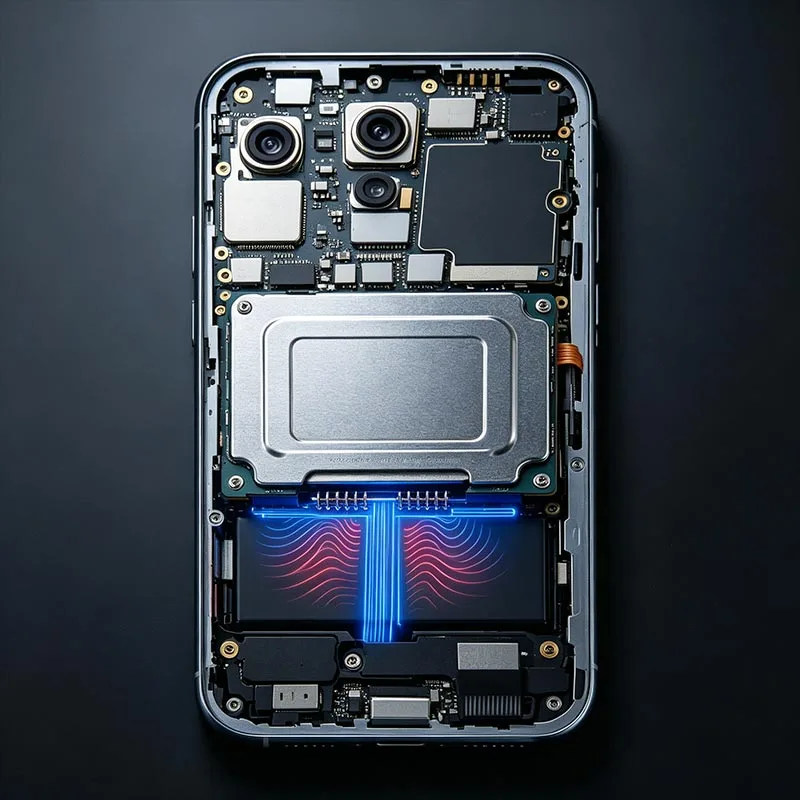
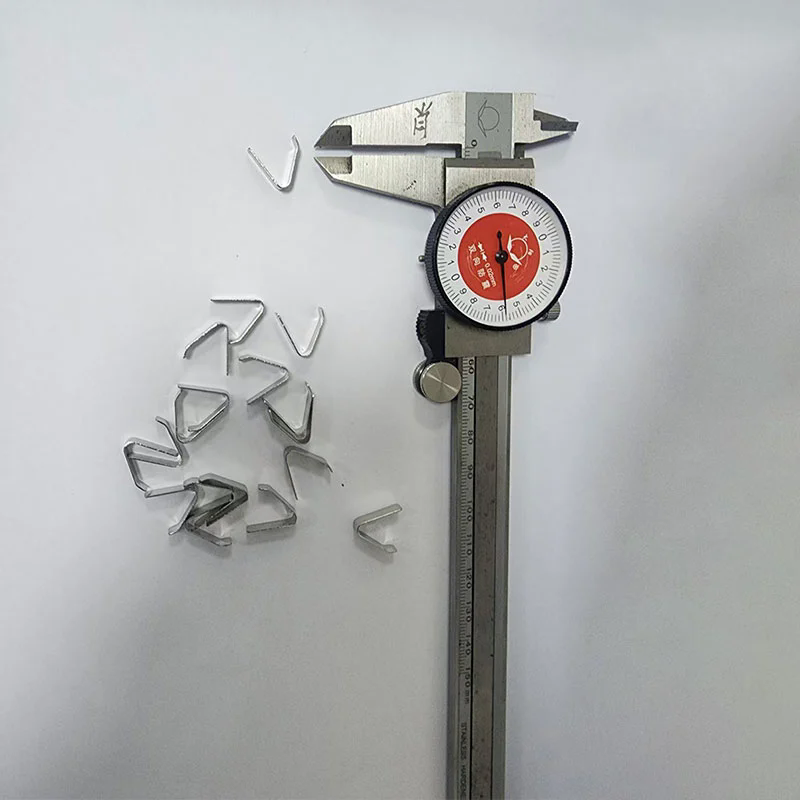
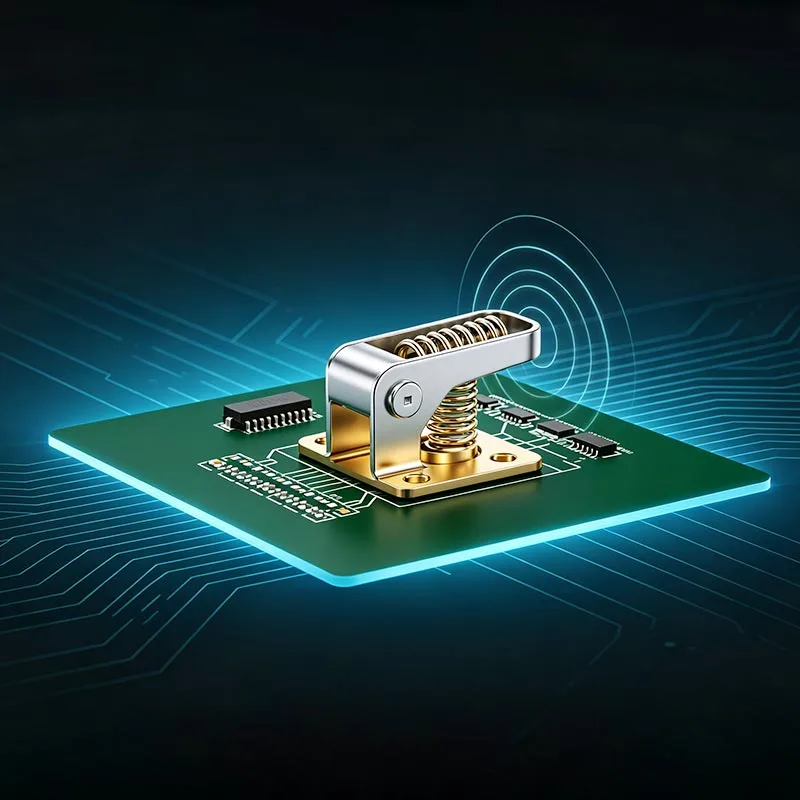
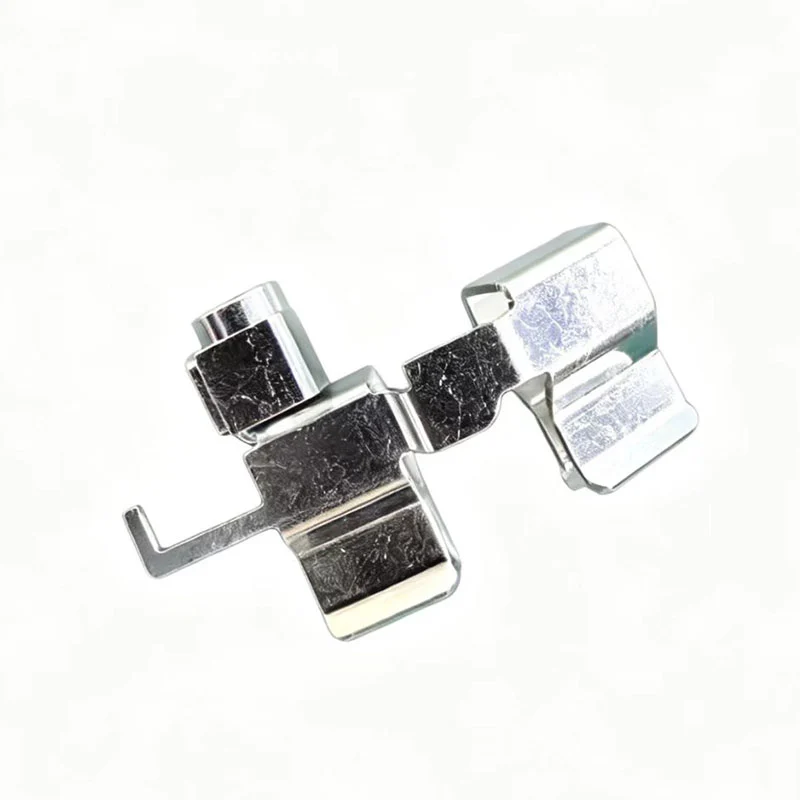
An EMI Conductive Spring Clip is a precision-engineered component designed to provide a continuous, low-resistance electrical path between mating surfaces in electronic enclosures. Its primary function is to suppress electromagnetic interference (EMI) and radio-frequency interference (RFI) by maintaining a seamless conductive shield across gaps, seams, and access panels.
The clip operates on the principle of elastic deformation. When the enclosure is assembled, the spring clip is compressed between two surfaces, generating a contact force that ensures reliable electrical connection. The spring geometry is carefully designed to provide sufficient force to penetrate surface oxides and contaminants while maintaining elasticity over repeated open-and-close cycles. This mechanical compliance compensates for manufacturing tolerances, surface irregularities, and thermal expansion, ensuring consistent shielding performance throughout the product's life.
EMI/RFI shielding and grounding
Elastic compression contact
Low contact resistance, high durability
02. Material Composition and Plating Technologies
Excellent spring properties, high conductivity, and fatigue resistance
Corrosion resistance and mechanical strength for harsh environments
Provides good conductivity and corrosion protection at moderate cost
Offers the lowest contact resistance and highest corrosion resistance for critical applications
The base material and plating of the EMI Conductive Spring Clip are selected based on the required shielding effectiveness, environmental conditions, and mating surface materials. Beryllium copper is the preferred base material for most applications due to its exceptional spring properties and high electrical conductivity. Stainless steel is used where corrosion resistance is paramount. The plating system—often nickel, tin, or gold—determines the contact resistance and long-term reliability of the connection.
03. Compression Force and Deflection Characteristics
The performance of an EMI Conductive Spring Clip is defined by its force-deflection curve, which describes the relationship between the compression applied and the resulting contact force. This curve is critical for ensuring that the clip provides adequate force without damaging the mating surfaces or the clip itself.
- Working Deflection Range: The recommended compression range, typically 20% to 50% of the free height, ensures optimal spring performance and longevity.
- Contact Force: The force exerted by the clip at working deflection, typically ranging from 0.5 N to 5 N per contact point, depending on the clip size and design.
- Spring Rate: The rate at which force increases with deflection, measured in N/mm. A lower spring rate provides more compliance and tolerance absorption.
- Fatigue Life: The number of compression cycles the clip can withstand without significant loss of force, typically exceeding 10,000 cycles for quality clips.
Design Note: The clip must be selected so that the working deflection falls within the recommended range. Operating outside this range can result in insufficient contact force (causing high resistance) or over-compression (causing permanent deformation and loss of spring properties).
04. Shielding Effectiveness and Grounding Performance
The primary purpose of the EMI Conductive Spring Clip is to maintain shielding effectiveness across enclosure seams. The clip provides a continuous conductive path that prevents electromagnetic energy from leaking into or out of the enclosure.
| Parameter | Typical Value | Impact on Performance |
|---|---|---|
| Contact Resistance | < 10 mΩ | Lower resistance improves shielding effectiveness |
| Shielding Effectiveness | 60 dB to 100 dB | Higher dB indicates better EMI suppression |
| Frequency Range | 30 MHz to 10 GHz | Covers common EMI/RFI frequencies |
| Operating Temperature | -55°C to +150°C | Wide range for diverse environments |
| Compression Cycles | > 10,000 | Durability over product lifetime |
Based on typical specifications for beryllium copper spring clips.
The shielding effectiveness of an enclosure depends on the integrity of all seams and joints. The spring clip ensures that the mating surfaces remain in continuous electrical contact, preventing the formation of slots or gaps that could act as antennas for EMI. The low contact resistance of the clip is essential for maintaining a low-impedance ground path, which is critical for both shielding and safety grounding.
05. Installation Methods and Design Integration
The EMI Conductive Spring Clip is available in various mounting configurations to suit different enclosure designs. The installation method affects both the mechanical reliability and the electrical performance of the shield.
- Clip-On Mounting: The clip snaps onto a flange or edge, requiring no additional hardware. This is the simplest and most common mounting method.
- Adhesive Mounting: The clip is attached using conductive adhesive, suitable for surfaces where mechanical fastening is not possible.
- Fastener Mounting: The clip is secured with screws or rivets for applications requiring high retention force.
- Slot Mounting: The clip is inserted into a slot or groove in the enclosure, providing a secure mechanical interlock.
- Custom Configurations: Clips can be designed with specific geometries for unique enclosure designs.
Design integration considerations include the placement of the clips to ensure uniform contact pressure around the perimeter of the enclosure. The spacing between clips is determined by the stiffness of the mating surfaces and the required shielding effectiveness. Typically, clips are spaced at intervals of 25mm to 100mm, depending on the application requirements.
06. Environmental Durability and Corrosion Resistance
The environmental durability of the EMI Conductive Spring Clip is critical for maintaining long-term shielding performance. The clip must withstand exposure to moisture, temperature cycling, and corrosive contaminants without degradation of its electrical or mechanical properties.
- Salt Spray Testing: Clips are tested per ASTM B117 to verify corrosion resistance in marine and coastal environments.
- Temperature Cycling: Clips are subjected to thermal cycling to ensure performance across the operating temperature range.
- Humidity Testing: Exposure to high humidity verifies that the clip does not degrade or corrode in damp environments.
- Gas Corrosion Testing: Exposure to mixed flowing gas (MFG) tests the clip's resistance to industrial pollutants.
- Plating Selection: Gold plating provides the highest corrosion resistance, while nickel and tin offer good protection at lower cost.
Environmental Note: For outdoor or harsh environment applications, gold-plated beryllium copper clips are recommended for their superior corrosion resistance and stable contact resistance over time. Always verify that the clip's materials are compatible with the mating surfaces to prevent galvanic corrosion.
Frequently Asked Questions
Technical specifications and standards may vary. Always consult the manufacturer's documentation for your specific application requirements.